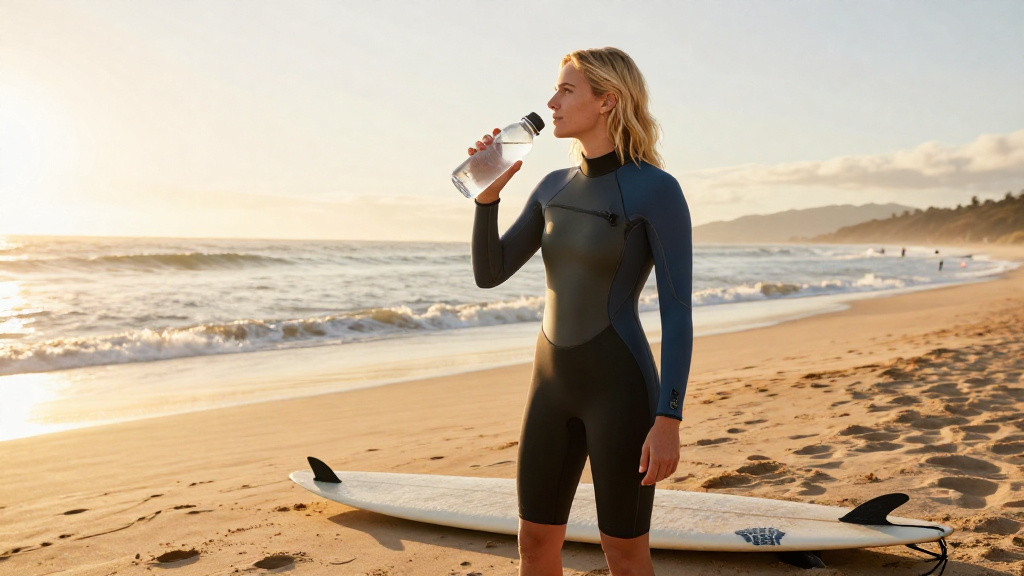
Staying hydrated while wearing a wetsuit is essential for enjoying your aquatic adventures.
Why is Wetsuit Hydration Important?
Wetsuit hydration is crucial for multiple reasons.
When you’re in the water, especially in cooler temperatures, your body can lose moisture quickly.
This is exacerbated by the fact that wearing a wetsuit can sometimes mask feelings of thirst.
Consequently, many individuals may underestimate their hydration needs during water sports.
Hydration helps maintain your body’s temperature regulation, promotes muscle function, and supports overall performance.
Not to mention, proper hydration can help prevent fatigue, cramps, and heat-related illnesses.
How Can You Stay Hydrated While Wearing a Wetsuit?
-
Plan Ahead
Before heading out, calculate your hydration needs based on the duration of your activity and weather conditions.
An average adult needs about 2 to 3 liters of water daily, but this can increase during physical exertion.
Make sure to drink water before donning your wetsuit and consider carrying water with you if your activity allows. -
Drink Water Regularly
Even if you don’t feel thirsty, sip on water consistently while wearing a wetsuit.
Staying proactive about your hydration can make a significant difference in your performance and safety. -
Use Hydration Packs
Consider using hydration packs or reservoirs that can fit under your wetsuit.
These devices allow for hands-free drinking, making it easier to stay hydrated without taking off your suit.
When opting for this method, ensure it’s dosed correctly for your needs.
What Should You Drink?
When considering wetsuit hydration, your choice of beverages matters.
-
Water
Simple, effective, and always a solid choice.
Plain water helps maintain fluid balance and is generally calorie-free. -
Electrolyte Drinks
Without adequate electrolytes, you might experience cramping or fatigue.
Electrolyte beverages can replace lost minerals through sweat and enhance hydration.
Look for low-sugar options to avoid any sugar crash later. -
Coconut Water
This natural alternative is rich in potassium and provides a different taste while still being hydrating.
Additionally, it’s lower in sugar compared to many commercial sports drinks.
How Does Temperature Affect Wetsuit Hydration?
Your environment plays a critical role in your hydration levels.
-
Cold Water
In colder water, it’s easy to overlook hydration, but your body loses fluids through breathing and sweating.
Be mindful of your hydration levels, even if you’re feeling cool. -
Warm Water
Warmer conditions may increase your thirst, necessitating more frequent hydration breaks.
Be prepared to consume extra fluids to counteract the heat and maintain your energy levels.
Are There Signs of Dehydration to Watch For?
Recognizing the signs of dehydration is vital for those wearing a wetsuit.
-
Thirst
Feeling thirsty is one of the most noticeable signs.
You should never let yourself reach this stage, as it indicates that your body is already lacking. -
Dark Urine
If your urine is darker than pale yellow, it may signify dehydration.
Aim to stay hydrated enough to maintain light-colored urine. -
Dry Mouth and Fatigue
Experiencing a dry mouth, headaches, or unexpected fatigue may indicate that you need to reassess your hydration levels.
It’s essential to address these symptoms promptly.
How Often Should You Hydrate When Wearing a Wetsuit?
Staying consistent with wetsuit hydration is key.
Aim to drink small amounts of fluid every 15-30 minutes during your time in the water.
This approach ensures that you stay ahead of your hydration needs and can enjoy your activity without interruptions.
-
Pre-Hydration
Start hydrating at least one to two hours before you venture out.
This pre-emptive step will ensure your body is well-prepared for exertion. -
During Activity
If conditions are extreme or you’re engaged in prolonged activity, consider consuming additional fluids beyond your normal intake. -
Post-Activity
After your activity, rehydrate to replenish lost fluids.
Consider pairing water with a small snack that includes electrolytes for optimal recovery.
Are There Foods That Help With Hydration?
In addition to drinking fluids, certain foods can play a significant role in your wetsuit hydration strategy.
-
Fruits
Fruits like watermelon, oranges, and strawberries are high in water content.
Adding them to your diet before and after your activities can boost hydration efforts. -
Vegetables
Veggies such as cucumber, lettuce, and celery contain significant moisture and are nutrient-rich.
Including these can help maintain your hydration levels overall.
Conclusion
Staying hydrated while wearing a wetsuit requires foresight, planning, and understanding.
Through proper wetsuit hydration strategies, you can enhance your performance, maximize your enjoyment, and ensure your safety during aquatic activities.
Remember to drink water regularly, consider your beverage choices, be aware of your body’s needs based on temperature, and recognize the signs of dehydration.
Utilizing foods with high water content can also bolster your hydration.
With these tips, you’ll be well on your way to making the most out of your time in the water while keeping hydration at the forefront!