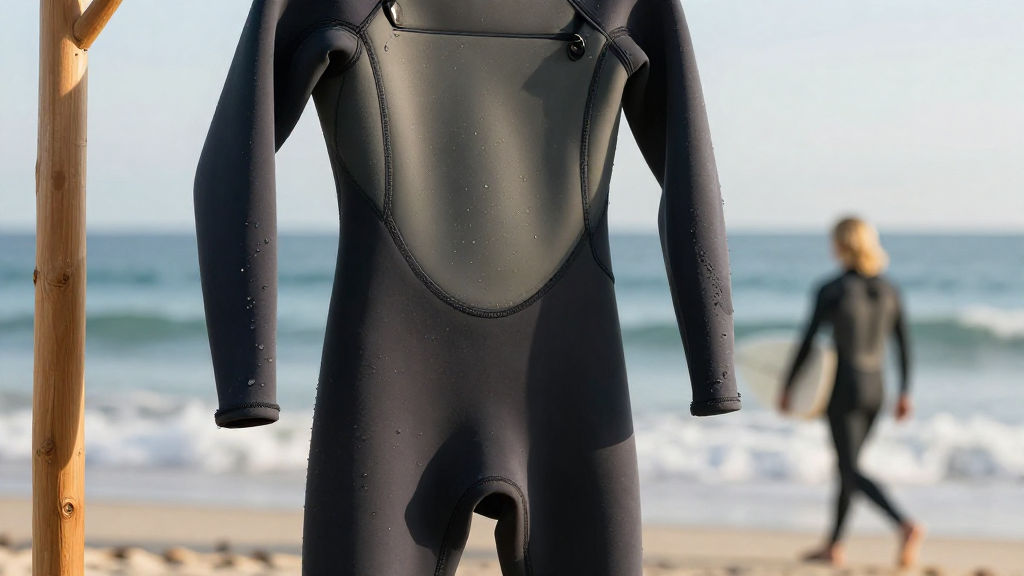
Are you looking for information on wetsuits? This comprehensive wetsuit Q&A is here to help you get all your questions answered.
What Is a Wetsuit?
A wetsuit is a specialized garment made from neoprene or a similar material.
It is designed to provide thermal protection and buoyancy for various water sports.
Whether you’re surfing, scuba diving, or swimming, a wetsuit can significantly enhance your experience.
Why Should You Wear a Wetsuit?
Wetsuits offer numerous benefits:
- Thermal Insulation: They trap a thin layer of water between your skin and the suit, which warms up due to your body heat. This helps to keep you warm in colder waters.
- Buoyancy: The materials used in wetsuits provide added buoyancy, making it easier to float and swim.
- Protection: Wetsuits protect against cuts, abrasions, and stings from marine life.
- UV Protection: Many wetsuits also offer some degree of protection from harmful UV rays.
How to Choose the Right Wetsuit Size?
Choosing the right wetsuit size is crucial for performance.
A wetsuit that fits well will keep you warm and help maintain mobility.
When selecting a size, consider the following:
- Chest Measurement: Measure around the widest part of your chest.
- Waist Measurement: Measure around your natural waist line.
- Hip Measurement: Measure around the fullest part of your hips.
- Height and Weight: Review size charts provided by manufacturers.
Remember that different brands may have slightly different sizing, so always refer to specific brand sizing charts.
What Are the Different Types of Wetsuits?
Wetsuits come in various types, each suited to different conditions and activities:
- Full Wetsuits: Cover the entire body and are ideal for colder conditions.
- Shorty Wetsuits: Have short sleeves and legs, perfect for warmer waters.
- Spring Suits: Provide coverage for the torso, with short arms and legs for moderate temperatures.
- Dry Suits: These are not technically wetsuits; they keep water out entirely and are used in extremely cold conditions.
When Should You Wear a Wetsuit?
The necessity of wearing a wetsuit depends on temperature and personal comfort.
Generally, a wetsuit is advisable in:
- Cold Water: Water temperatures below 70°F (21°C) typically require a wetsuit.
- Windy Conditions: Wind can quickly cool the body, making a wetsuit beneficial for warmth.
- Extended Exposure: If you plan to be in the water for a long time, wearing a wetsuit can help maintain body temperature.
How Do You Care for a Wetsuit?
Proper maintenance will extend the life of your wetsuit. Follow these care tips:
- Rinse Immediately: Rinse your wetsuit in freshwater after every use to remove salt, sand, and chlorine.
- Dry Properly: Hang your wetsuit inside out in a cool, shaded area to dry. Avoid direct sunlight, as it can damage the neoprene material.
- Storage: Store your wetsuit flat or on a wide hanger to prevent creasing.
- Avoid Harsh Chemicals: Do not use bleach or fabric softeners when cleaning your wetsuit.
How Long Does a Wetsuit Last?
The lifespan of a wetsuit depends on factors such as:
- Material Quality: Higher-quality materials last longer.
- Frequency of Use: Regular use will wear a wetsuit out faster.
- Care: Proper maintenance can significantly extend its life.
On average, a well-cared-for wetsuit can last anywhere from 3 to 10 years.
Can You Customize a Wetsuit?
Yes, many companies offer the option to customize wetsuits.
Customization options may include:
- Size Adjustments: Tailoring for a perfect fit.
- Design: Choose colors, patterns, or prints that suit your style.
- Thickness: Select thickness based on the specific water temperature or conditions you will be facing.
What Thickness Should You Choose?
Wetsuits come in different thicknesses, typically measured in millimeters (mm).
This measurement indicates how thick the neoprene is:
- 2/2 mm: Ideal for warm water; generally used for shorty wetsuits.
- 3/2 mm: Suitable for moderate temperatures; commonly recommended for spring suits.
- 4/3 mm: Good for cooler waters; full suits with this thickness are versatile for most conditions.
- 5/4 mm: Best for cold waters and winter use; often provides the most insulation.
Are There Wetsuits for Kids?
Yes, many brands offer a selection of kids’ wetsuits.
When choosing a wetsuit for children, consider:
- Size: Ensure a proper fit for comfort and effectiveness.
- Material: Look for stretchy, durable neoprene that allows easy movement.
- Fun Designs: Kids often prefer vibrant colors and playful patterns.
Investing in a quality wetsuit for your child will enhance their experience in water sports while ensuring their safety and comfort.
Conclusion: Enhance Your Water Experience with a Wetsuit
Now that you’ve gone through this wetsuit Q&A, you should have a better understanding of how to choose, care for, and utilize a wetsuit.
Whether you’re a novice or a seasoned water sports enthusiast, wearing the right wetsuit can significantly impact your performance and enjoyment in the water.
For further inquiries or personalized advice, don’t hesitate to reach out to your local surf or dive shops.
With the right knowledge in hand, you’re ready to embrace new adventures in the water!
Additional Questions?
If you have more questions beyond our wetsuit Q&A, consider the following:
- Reach out to community forums for personal experiences.
- Visit professional water sports websites for advanced advice.
- Contact manufacturers for specific product inquiries.
Stay informed and enjoy your aquatic pursuits!