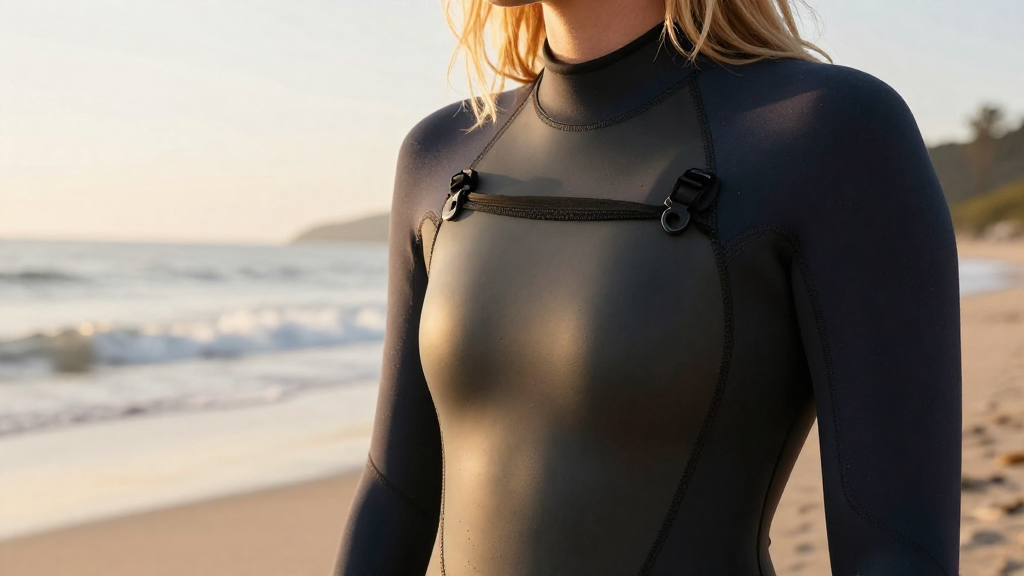
Wetsuit layering can significantly improve your comfort, warmth, and overall experience in the water.
What Is Wetsuit Layering?
Wetsuit layering is the process of wearing specific garments underneath your wetsuit to enhance insulation and protection.
This technique is crucial for surfers, divers, and swimmers who seek to maintain body heat in cooler water temperatures.
To achieve effective wetsuit layering, you need to consider the right materials, fit, and thickness of the underlayers.
Why Is Wetsuit Layering Important?
Proper wetsuit layering serves multiple purposes:
- Thermal insulation: Adding layers helps retain your body heat.
- Comfort: It can provide a more comfortable fit, reducing chafing.
- Water protection: Creates an extra barrier against cold water.
- Versatility: Ability to adapt your wetsuit’s warmth to varying temperatures.
What Should You Layer Under a Wetsuit?
Not all layers are created equal. Here are some popular choices for wetsuit layering:
-
Base Layers
– Material: Look for high-quality synthetic materials like Polyester or Nylon.
– Purpose: These form-fitting garments wick moisture away from the skin, keeping you dry. -
Thermal Tops
– Material: Neoprene or thermal fleece are ideal for added warmth.
– Purpose: These tops have a thicker insulation layer, retaining even more heat. -
Leggings or Shorts
– Material: Opt for thermal neoprene or other insulating materials.
– Purpose: They cover your lower half and work in conjunction with your wetsuit. -
Hoods, Gloves, and Booties
– Material: Neoprene is the best choice here.
– Purpose: These additional layers can help mitigate heat loss from extremities.
How Do You Choose the Right Base Layer for Wetsuit Layering?
Choosing the right base layer is essential for effective wetsuit layering. Here’s what to consider:
- Fit
-
The base layer should be snug but not restrictive.
-
Material
-
High-performance fabrics like Polypropylene or Merino Wool are excellent for moisture management.
-
Seam Construction
- Look for flatlock seams since they minimize chafing against your wetsuit.
Can You Use Regular Clothing for Wetsuit Layering?
While you might be tempted to wear regular clothing beneath your wetsuit, it’s generally not advisable.
Here’s why:
- Wicking ability: Regular cotton absorbs moisture and will retain it, making you colder.
- Fit issues: Regular clothing may bulk up and create discomfort.
- Heat Retention: They often lack insulation compared to materials designed specifically for watersports.
How Does Thickness Affect Wetsuit Layering?
When selecting layers for wetsuit layering, thickness matters.
-
Thin layers (1mm – 2mm): Best for warm water environments and provide minimal insulation.
-
Medium thickness (3mm – 5mm): Suitable for cooler waters or for adding extra warmth without taking away mobility.
-
Thick layers (6mm and above): Ideal for cold water, but can feel restrictive.
How Should You Care for Your Wetsuit and Base Layers?
Proper care of your wetsuit and the layers beneath it can extend their lifespan and maintain performance:
-
Rinse
– Always rinse your wetsuit in fresh water after each use to remove salt and chlorine. -
Dry
– Hang the wetsuit inside out in a shaded area to air dry. -
Avoid Heat
– Never use a dryer or direct heat sources as they can damage the neoprene and affect wetsuit layering effectiveness. -
Storage
– Store the wetsuit flat or hanging to prevent creasing. -
Check for Damage
– Regularly inspect for rips or tears, especially in areas where you layer materials.
Are There Specific Underlayers for Different Activities?
Yes! Different water sports may require specific types of wetsuit layering for optimal performance.
- Surfing
-
Consider a rash guard as a base layer to avoid irritation and add a thermal top for warmth.
-
Diving
-
A thicker inner layer like a full-sleeve thermal suit may be necessary for deeper dives.
-
Kayaking
- Lightweight, quick-drying layers are best to help you stay mobile and dry.
How Do You Make Wetsuit Layering Work for You?
To make the most of your wetsuit layering, follow these tips:
-
Layering Experimentation
– Test different combinations to find what best suits your activity and comfort. -
Check Water Temperature
– Be sure to layer appropriately according to the water temperature and expected exposure time. -
Stay Dry and Comfortable
– Pay attention to moisture management to avoid feeling soggy. -
Seek Feedback
– Talk to experienced surfers or divers for their recommendations on wetsuit layering based on specific conditions.
Final Thoughts: How to Become a Wetsuit Layering Pro!
Wetsuit layering can dramatically elevate your time in the water when done correctly.
From selecting the right underlayers to ensuring a perfect fit, mastering this skill will enhance your comfort and enjoyment in various water sports.
Armed with the right knowledge and practice, you can make your wetsuit work optimally for your needs.
So, dive in and embrace the art of wetsuit layering!