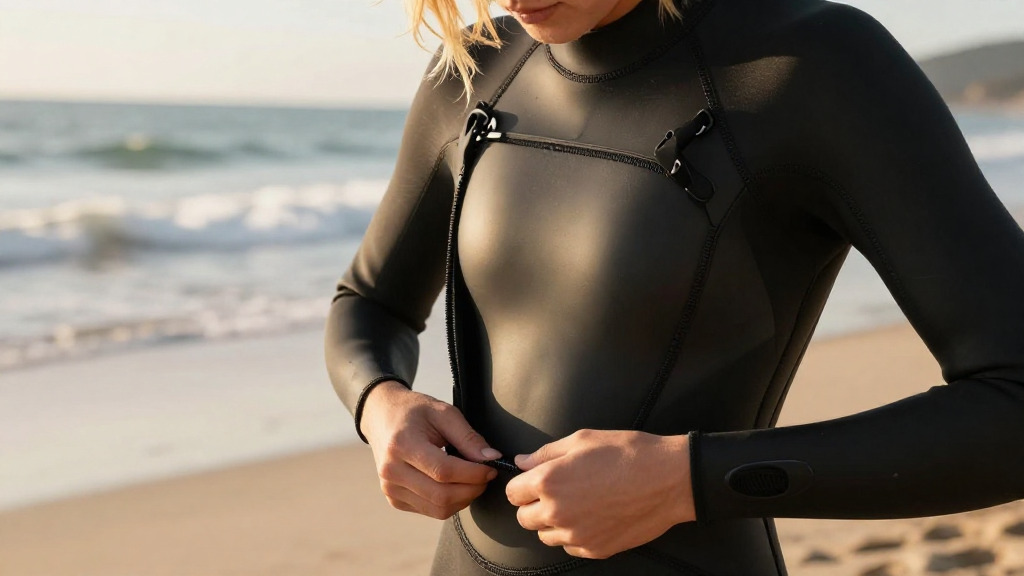
Wetsuit compressions are becoming increasingly popular among water sports enthusiasts.
But what exactly does this term mean?
What Are Wetsuit Compressions?
Wetsuit compressions refer to the specific design features in wetsuits that provide targeted pressure and support to different areas of the body.
This innovative technology is often integrated into wetsuits to enhance performance, improve circulation, and offer thermal insulation.
Why Are Wetsuit Compressions Important?
The importance of wetsuit compressions can be broken down into several key benefits:
-
Enhanced Blood Flow:
– Wetsuit compressions improve circulation, which is essential for muscle recovery and performance. -
Increased Warmth:
– The compression flatters the outer layers of the wetsuit, trapping heat more effectively and retaining body warmth. -
Reduced Muscle Vibration:
– The compression helps to stabilize muscles, minimizing fatigue and potential injury during rigorous activities like surfing, diving, or paddleboarding. -
Improved Performance:
– Athletes experience less drag through the water, translating to better speeds and efficiency during their activities. -
Comfort and Mobility:
– Wetsuit compressions optimize the fit of a wetsuit, allowing for better movement without excessive bulk.
How Do Wetsuit Compressions Work?
Understanding the mechanics behind wetsuit compressions can help you see how they enhance your experience in the water.
-
Compression fit:
Wetsuits designed with compression technology use materials that hug your body closely, creating a second-skin effect. This fit reduces the volume of water that enters and exits the suit. -
Material technology:
High-performance fabrics like neoprene are often used to provide both warmth and flexibility. These materials allow for significant stretch, ensuring that despite the compressive nature, you can move freely. -
Ergonomic design:
Many wetsuits with compression features are tailored to conform to the human body’s natural structure, enhancing comfort and support.
What Are the Different Types of Wetsuit Compressions?
Wetsuit compressions vary in design and application. Here are some types:
-
Full Body Compression Wetsuits:
– Ideal for activities like triathlons or competitive swimming, these suits offer complete coverage and maximize circulation throughout the entire body. -
Short Sleeves or Short Legs:
– These suits provide wetsuit compressions in key areas while leaving other parts exposed for temperature regulation. Perfect for warmer waters. -
Targeted Compression Areas:
– Some wetsuits feature enhanced compression in specific muscle groups (like the arms and legs), promoting focused support where it’s most needed.
Who Can Benefit from Wetsuit Compressions?
The versatility of wetsuit compressions means they’re suitable for a variety of individuals, including:
-
Surfers:
Wetsuit compressions help maintain warmth and mobility while tackling challenging waves. -
Divers:
For those who spend extended periods underwater, these suits maximize thermal protection and comfort. -
Triathletes:
Compressing muscles can lead to better speed and improved performance during transitions between swimming, cycling, and running. -
Paddleboard and Kayakers:
Wetsuit compressions keep you warm and supported, providing a more enjoyable experience as you navigate the water.
How to Choose the Right Wetsuit Compression for You?
When selecting a wetsuit with compression features, consider the following factors:
-
Activity Type:
Think about whether you’ll be surfing, diving, or competing, and choose accordingly. -
Fit and Comfort:
Ensure that the wetsuit offers a snug fit without restricting movement. -
Material Quality:
Look for high-quality neoprene and other fabrics that ensure durability and protect against wear and tear. -
Thickness:
Wetsuits come in various thicknesses, which determine their insulating capability. Choose appropriately based on water temperature. -
Seam Construction:
Sealed seams keep water from entering, enhancing warmth and comfort. Look for wetsuits that are glued and blind-stitched for stronger seals.
Are There Any Drawbacks to Wetsuit Compressions?
While wetsuit compressions offer many benefits, there are a few potential drawbacks:
-
Cost:
High-quality wetsuits can be pricey, which may be a consideration if you’re on a budget. -
Heat Retention:
In very warm waters, wetsuits can lead to overheating. It’s important to choose the right thickness for the conditions. -
Sizing Issues:
Compression suits need to fit perfectly to be effective. Poorly fitting wetsuits can lead to discomfort, so ensure you get the right size.
How to Care for Your Wetsuit Compression?
To extend the life of your wetsuit compression, proper care is essential:
-
Rinse After Use:
Always rinse your wetsuit in fresh water after each use to remove salt, sand, and chlorine. -
Dry in Shade:
Avoid direct sunlight when drying to prevent damage to the material. -
Store Properly:
Hang your wetsuit on a broad hanger or store it flat to avoid creasing and damage. -
Avoid Harsh Chemicals:
Use mild soap when cleaning and never use bleach.
Conclusion: Why You Should Consider Wetsuit Compressions
In summary, wetsuit compressions provide numerous advantages for anyone participating in water sports, from enhanced warmth to improved performance.
With considerations regarding types, benefits, and maintenance in mind, selecting the right wetsuit compression for your needs can elevate your experience in the water.
As technology advances, the design and effectiveness of wetsuit compressions will only improve, making them a worthwhile investment for water sport enthusiasts.
Make sure to explore different options and find the perfect fit for your adventures on the waves!