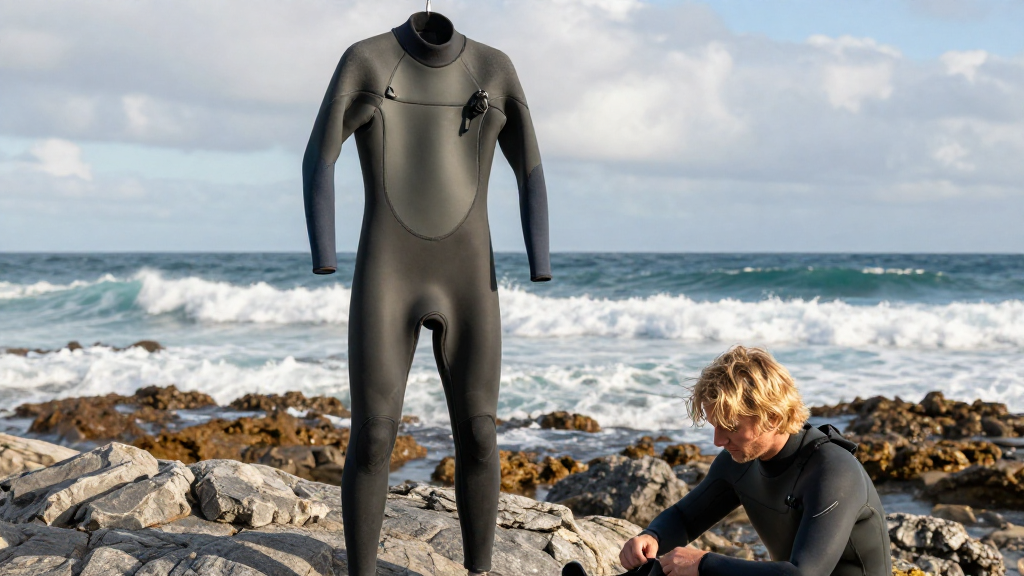
A heavy duty wetsuit is designed to provide superior insulation and protection, making it ideal for cold-water activities.
Whether you’re surfing in chilly waves, diving in frigid waters, or swimming in colder climates, understanding the features and advantages of a heavy duty wetsuit can significantly enhance your experience.
What Are the Key Features of a Heavy Duty Wetsuit?
A heavy duty wetsuit is characterized by several essential features. Here are some key elements that set it apart from regular wetsuits:
-
Thickness:
– Heavy duty wetsuits typically range from 4mm to 7mm in thickness.
– This extra thickness provides enhanced insulation, which is crucial for keeping warm in cold water. -
Material:
– Most heavy duty wetsuits are made from neoprene, a flexible and insulating material.
– Higher quality neoprene options, like Yamamoto neoprene, offer greater warmth and flexibility, allowing for improved movement. -
Seams:
– The seams in a heavy duty wetsuit are usually reinforced or made using techniques like glued and blind-stitched seams.
– This construction helps prevent water from seeping in, increasing warmth and comfort. -
Lining:
– Many heavy duty wetsuits come with thermal linings, designed to retain heat and wick away moisture.
– Features like chest and back panels with specialized lining can provide extra warmth in vulnerable areas. -
Closure System:
– Heavy duty wetsuits often utilize full-length zippers or front zippers for easy entry and exit.
– Some models feature liquid tape seals that further minimize water entry.
Who Should Use a Heavy Duty Wetsuit?
A heavy duty wetsuit is ideal for various water enthusiasts:
- Surfers: Those riding waves in colder regions will benefit from the thermal insulation and flexibility.
- Divers: Scuba divers exploring deeper waters or cooler environments need the added protection against hypothermia.
- Open Water Swimmers: Individuals training or competing in colder temperatures can maintain their body heat.
- Water Sports Enthusiasts: Kayakers, stand-up paddleboarders, and other water adventurers will find heavy duty wetsuits helpful for longer excursions.
When Should You Choose a Heavy Duty Wetsuit?
Consider opting for a heavy duty wetsuit based on the following factors:
-
Water Temperature:
– If you’re swimming in water below 60°F (15°C), a heavy duty wetsuit is highly recommended.
– For temperatures ranging from 60°F to 70°F (15°C to 21°C), you might also want to consider a thicker suit for added warmth. -
Duration of Exposure:
– Longer exposure to cold water increases the risk of hypothermia.
– If you plan to spend extended sessions in the water, a heavier wetsuit is advisable. -
Personal Comfort:
– Some individuals are more sensitive to cold than others.
– If you find that even mildly cold water affects your enjoyment, a heavy duty wetsuit can help maximize your comfort.
How to Choose the Right Heavy Duty Wetsuit?
When selecting a heavy duty wetsuit, keep the following tips in mind for a perfect fit and function:
-
Size:
– Refer to the manufacturer’s sizing chart. A snug fit is essential to prevent water from entering, but it shouldn’t be so tight that it restricts movement. -
Style:
– Full suits cover the arms and legs, while shorties or spring suits offer less coverage for milder conditions.
– Select the style that matches your activity and local water conditions. -
Budget:
– Heavy duty wetsuits range widely in price. Higher-end models generally offer better insulation and durability.
– Determine your budget and try to balance cost with quality. -
Brand Reputation:
– Research brands known for producing high-quality wetsuits. Companies like O’Neill, Quiksilver, and Billabong are renowned in the industry.
– Read reviews from other users to gauge satisfaction.
How Do You Care for a Heavy Duty Wetsuit?
Taking care of your heavy duty wetsuit can extend its lifespan and maintain its performance. Follow these simple care tips:
-
Rinse After Use:
– Rinse your wetsuit with fresh water immediately after use to remove salt and chlorine. -
Dry Properly:
– Hang the wetsuit to dry in a shaded area away from direct sunlight.
– Avoid hanging it on sharp objects that could damage the neoprene. -
Store Correctly:
– Store your wetsuit flat or hung on a wide hanger to avoid creasing.
– Ensure it’s completely dry before storing to prevent mildew. -
Avoid Harsh Chemicals:
– Refrain from using bleach or other harsh chemicals when cleaning your wetsuit, as they can damage the material.
Are There Alternatives to Heavy Duty Wetsuits?
If a heavy duty wetsuit isn’t your preferred choice, consider these alternatives based on your needs:
- Short Wetsuits: Ideal for warmer conditions or spring and summer wear, they provide some insulation without the bulk.
- Drysuits: Excellent for extreme cold environments, drysuits keep you completely dry but are more expensive and less flexible than wetsuits.
- Hybrid Suits: These feature a blend of wetsuit and drysuit designs for specific conditions, providing versatility for diverse water activities.
Conclusion
In summary, a heavy duty wetsuit is an essential piece of gear for anyone participating in cold-water activities.
With advanced materials, thoughtful construction, and various styles available, the right heavy duty wetsuit can dramatically enhance comfort and performance in chilly conditions.
By understanding the key features, selecting the right size and style, and taking proper care of your wetsuit, you can ensure that you’re well-equipped for your next water adventure. So gear up, stay warm, and enjoy the beautiful depths of the ocean with confidence!