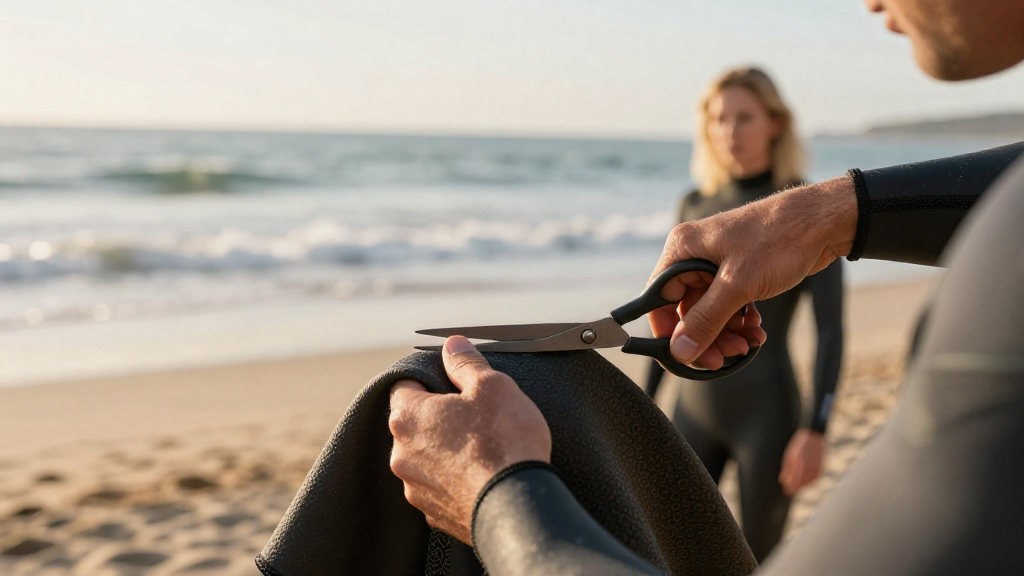
Cutting a wetsuit can be a daunting task for many swimmers and surfers.
However, if done correctly, it can enhance comfort and performance, allowing you to enjoy your time in the water even more.
In this article, we will explore the best practices for cutting a wetsuit safely, ensuring you can make the adjustments you need without compromising the suit’s integrity.
Why Would You Need to Cut a Wetsuit?
There are several reasons why cutting a wetsuit may be necessary, including:
- Adjusting Length: You may need to shorten the arms or legs to achieve a better fit.
- Creating Openings: Some athletes prefer more ventilation or flexibility in certain areas.
- Personalizing Fit: Customizing your wetsuit can result in improved comfort and enhanced performance in the water.
Regardless of your reason, knowing how to do this safely is crucial.
Let’s delve into the steps necessary for cutting a wetsuit without causing damage or compromising quality.
What Tools Do You Need for Cutting a Wetsuit?
Proper tools are imperative for a successful wetsuit modification.
When cutting a wetsuit, ensure you have the following tools at your disposal:
- Sharp Scissors: A pair of sharp, dedicated fabric scissors will provide clean, precise cuts.
- Measuring Tape: To measure the length you want to cut accurately.
- Marker or Fabric Chalk: To mark where you intend to cut.
- Straight Edge or Ruler: For guiding your cuts if you need straight lines.
- Neoprene Adhesive: In case you want to seal the edges after cutting to prevent fraying.
Having these tools ready will streamline the process and minimize the risk of making mistakes during cutting.
How Should You Prepare to Cut a Wetsuit?
Preparation is key to successfully cutting a wetsuit.
Follow these steps to ensure a smooth experience:
1. Choose the Right Location
Select an area that is well-lit and free from distractions.
A clean, flat surface is ideal for laying out the wetsuit.
2. Wear Appropriate Clothing
Wearing old clothes can help prevent damage to your own garments in case of any accidents while using scissors.
3. Check the Fit of Your Wetsuit
Before cutting, it’s essential to wear your wetsuit to assess and confirm which areas need adjustment.
Making Notes:
- Pinch Test: Pinch the material to see how much excess you have.
- Comfort Assessment: Move around to see where you experience discomfort.
- Visual Inspection: Double-check that the wetsuit still meets your needs after modifications.
What Are the Steps for Safely Cutting a Wetsuit?
Now that you’re prepared, follow these steps to safely cut a wetsuit:
Step 1: Mark with Confidence
Using your marker or fabric chalk, clearly mark the areas you want to cut.
Make sure to:
- Double-check your measurements before making any cuts.
- Use a straight edge or ruler if needed for long, precise cuts.
Step 2: Cutting the Wetsuit
Begin cutting along your marked lines using smooth, steady motions. Remember:
- Start with a small cut to see how it feels.
- Work in sections to avoid risking too much material with one cut.
Step 3: Seal the Edges
After cutting, the edges of the wetsuit may fray. To prevent this:
- Apply neoprene adhesive along the edges.
- Allow it to cure as per the manufacturer’s instructions.
Sealing edges helps maintain your wetsuit’s quality and durability.
Are There Any Precautions to Take?
Yes, taking the right precautions will save you from making costly mistakes.
Here are some tips:
- Don’t Cut Too Much: It’s better to cut less than to overestimate and ruin your wetsuit.
- Avoid Cutting on a Rough Surface: This can damage the suit.
- Cut Slowly and Precisely: Rushing leads to mistakes.
- Test Fit Frequently: Try on the wetsuit after each significant cut to ensure a perfect fit.
What Should You Do After Cutting a Wetsuit?
Once you finish cutting and sealing your wetsuit, it’s essential to care for it adequately:
- Wash: Rinse your wetsuit in fresh water to remove any residual chalk or debris.
- Dry: Hang it to dry in a shaded area, avoiding direct sunlight which can degrade the material.
- Store Properly: Store your wetsuit rolled up, or on a wide hanger to maintain its shape.
Final Maintenance Tips
- Inspect Regularly: Check for any signs of wear or fraying after cutting.
- Avoid Sharp Objects: Prevent damage during storage by keeping it away from sharp edges or gear.
When Should You Seek Professional Help?
If you’re unsure about your ability to cut a wetsuit correctly or require a significant modification, consider consulting a professional.
Reasons to seek help include:
- Lack of experience with wetsuits.
- Extensive alterations needed.
- Concerns about compromising the suit’s performance.
A professional can provide you with customized adjustments while ensuring the structural integrity of your wetsuit remains intact.
Conclusion
Cutting a wetsuit can significantly enhance your experience in the water when done correctly.
By following the steps outlined in this article, you can safely modify your wetsuit to achieve the fit and comfort you desire.
Remember to prepare adequately, use the right tools, and take your time while cutting.
With proper care and attention, you can enjoy your newly tailored wetsuit for many water adventures to come!
Whether you are an avid surfer or a casual swimmer, mastering the art of cutting a wetsuit will ultimately lead to a better and more enjoyable water experience.
Happy cutting!