A chilly pool can cut a water aerobics class short. The right neoprene layer adds warmth without making it hard to move your arms, bend your knees, or keep up with the class.
These 10 options range from full wetsuits to shorties and separate tops and bottoms. Use the guide below to match coverage and thickness to your pool, routine, and fit preferences.
Best 10 Wetsuits for Water Aerobics Picks for 2026
Full-Coverage Pick
Hevto Men’s 3/2mm Full Wetsuit

- 3mm torso with flexible 2mm zones
- Full-body coverage for cooler water
- Back zip with extended pull cord
Best For: Men wanting full coverage for cooler-water exercise
Easy-Entry Sleeveless Pick

- Sleeveless cut frees the arms
- Flexible 2mm neoprene
- Front zip for easier changes
Best For: Sleeveless exercise in warmer water or layering
Mix-and-Match Top
Top Wetsuits 2mm Neoprene Jacket

- Top-only coverage for layering
- Long sleeves and crewneck
- Front zipper for easier changes
Best For: Adding upper-body coverage over swimwear
Shorty Coverage Pick
Seaskin Women’s 3mm Front-Zip Shorty
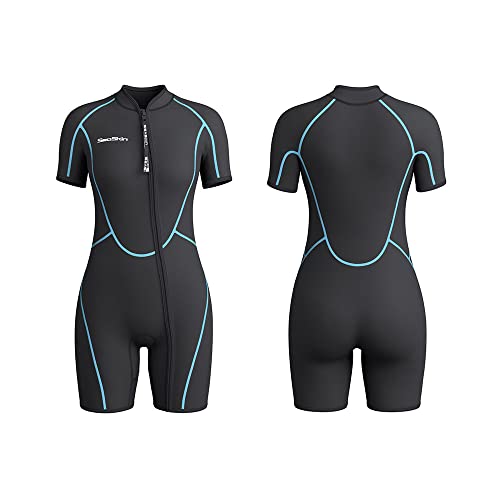
- 3mm neoprene shorty design
- YKK front zipper
- Flatlock-stitched seams
Best For: Torso warmth with less coverage than a full suit
Sleeveless Pick
GoldFin 2mm Women's Wetsuit Vest

- Sleeveless, top-only coverage
- 2mm neoprene adds warmth and buoyancy
- Front zipper eases changing
Best For: Core coverage with unrestricted arms
Stretch-Panel Pick
Owntop 2mm Short-Sleeve Wetsuit Top

- 2mm neoprene helps reduce heat loss
- Stretch panels aid arm movement
- Front zip simplifies changing
Best For: Active classes needing flexible upper-body coverage
Leg-Coverage Pick
GoldFin 2mm Women's Wetsuit Pants
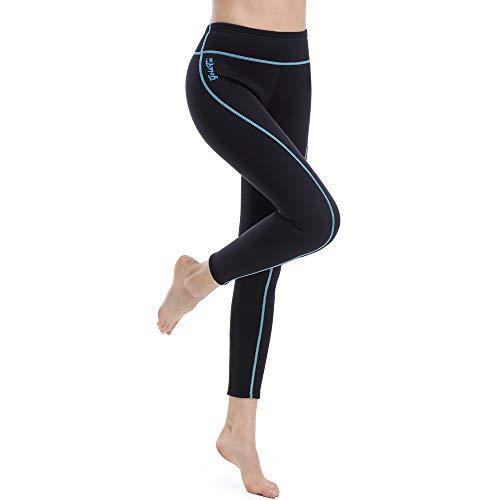
- Bottom-only 2mm neoprene coverage
- Elastic fabric supports leg movement
- Pull-on compression-style fit
Best For: Adding warmth and coverage to the legs
Best for Leg Mobility
GoldFin Women's 2mm Wetsuit Shorts

- 2mm neoprene bottom
- Short cut frees leg movement
- Four-way stretch fabric
Best For: Pull-on warmth without full-length leg coverage
Best for Upper-Body Coverage
GoldFin Women's 2mm Wetsuit Top

- 2mm neoprene jacket
- Long-sleeve coverage
- Zipper closure
Best For: Upper-body warmth during water aerobics
Best for Thicker Insulation
Intboss Women's 3mm Wetsuit Top

- 3mm neoprene top
- Long sleeves and front zip
- Recommended above 58°F
Best For: Extra upper-body insulation in cooler water
Full-Coverage Pick – Hevto Men’s 3/2mm Full Wetsuit
Among wetsuits for water aerobics, this Hevto full suit is worth considering when you want torso warmth without giving up as much flexibility in your arms and legs. Its 3mm torso and 2mm movement zones suit active sessions in cooler water.
Best For: Men who want full-body coverage for cooler-water exercise and swimming.
Pros:
- 3mm torso provides more insulation than the 2mm arms and leg zones.
- Long back zipper, pull cord, and retention tab make the closure easier to manage.
- Flatlock seams and shaped panels support comfort and mobility.
- Reinforced knee panels add coverage in a high-contact area.
Cons:
- Full-length coverage may be more than you want for warm-pool classes.
- A back zipper may be less convenient than a front zipper for some wearers.
Choose this if coverage and core warmth matter most; check the size chart for the snug fit a wetsuit needs.
Easy-Entry Sleeveless Pick – Cressi Termico Lady 2mm Suit
If you prefer unrestricted arms when shopping for wetsuits for water aerobics, the Cressi Termico Lady offers a sleeveless, 2mm neoprene design. Its front zipper is a practical choice for getting dressed before a class.
Best For: Adults seeking a sleeveless suit for warmer-water sessions or a layer beneath another wetsuit.
Pros:
- Sleeveless cut leaves the arms free for exercise movements.
- Elastic 2mm neoprene supports flexibility.
- Front zipper simplifies putting it on and taking it off.
- Can be worn alone or under another wetsuit for added warmth.
Cons:
- Does not provide arm coverage.
- Its 2mm thickness offers less neoprene insulation than thicker full suits.
This is a sensible option if shoulder freedom and easy entry matter more to you than maximum coverage.
Mix-and-Match Top – Top Wetsuits 2mm Neoprene Jacket
Not all wetsuits for water aerobics need to be full suits. This 2mm neoprene jacket adds upper-body coverage while letting you pair it with your preferred swimsuit or bottoms.
Best For: Adults who want a separate long-sleeve layer for water aerobics.
Pros:
- Front zipper makes the jacket straightforward to put on and remove.
- Long sleeves and a crewneck add upper-body coverage.
- Can be worn over a swimsuit.
Cons:
- Top-only design leaves the legs uncovered.
- The maker advises checking its size chart rather than ordering your usual size.
Pick this jacket if you want adjustable coverage through layering, rather than committing to a one-piece suit.
Shorty Coverage Pick – Seaskin Women’s 3mm Front-Zip Shorty
For shoppers comparing wetsuits for water aerobics, this Seaskin shorty balances 3mm neoprene insulation with short sleeves and a shorter leg cut. The front zipper is useful when changing in and out of a snug suit.
Best For: Adults who want torso coverage without a full-length wetsuit.
Pros:
- 3mm neoprene provides insulating coverage through the suit.
- YKK front zipper supports easier entry and exit.
- Shorty cut leaves more of the arms and legs free than a full suit.
- Flatlock-stitched seams are designed for comfort and durability.
Cons:
- Exposed lower arms and legs get less coverage than with a full suit.
- A properly snug fit makes checking the Seaskin size chart important.
This shorty is a middle ground when you want more insulation than a thin layer but less coverage than a full wetsuit.
Sleeveless Pick – GoldFin 2mm Women's Wetsuit Vest
Among wetsuits for water aerobics, this GoldFin vest is a top-only option for swimmers who want 2mm neoprene over their core without sleeves covering their arms. Its front zipper makes it easier to put on and take off.
Best For: Water aerobics participants who want core coverage and unrestricted arms.
Pros:
- Sleeveless cut leaves arms free for class movements.
- 2mm neoprene provides warmth and some buoyancy.
- Front zipper simplifies changing.
Cons:
- Top-only design does not cover the legs.
- Neoprene may have a slight odor initially.
Choose this vest if arm freedom matters more than full-body coverage. Rinse it with cold water and hang it to dry after use.
Stretch-Panel Pick – Owntop 2mm Short-Sleeve Wetsuit Top
The Owntop top is a practical choice among wetsuits for water aerobics if you want 2mm core coverage with short sleeves. Stretch panels along the sides and inner sleeves are designed to move with strokes and reaches.
Best For: Active classes where flexible upper-body movement and easy changing matter.
Pros:
- 2mm neoprene helps reduce heat loss in the water.
- Side and inner-sleeve stretch panels support movement.
- Front zipper avoids pulling the top over your head.
Cons:
- Top-only design leaves the legs uncovered.
- Fit requires attention to chest measurement; broader shoulders may need a larger size.
This is a useful middle ground between sleeveless and longer-sleeved coverage. Check the chest measurement first, then use the waist measurement to confirm your size.
Leg-Coverage Pick – GoldFin 2mm Women's Wetsuit Pants
If you are comparing wetsuits for water aerobics but mainly need leg coverage, these GoldFin pants offer a 2mm neoprene bottom rather than a full suit. The elastic fabric and pull-on design suit exercise in the water.
Best For: Water aerobics participants who want neoprene coverage for their legs.
Pros:
- 2mm neoprene helps keep legs warm in cold water.
- Elastic, compression-style fit is designed for flexibility.
- Can be paired with a separate top for more coverage.
Cons:
- Bottom-only design provides no torso coverage.
- Neoprene may have a slight odor at first.
These pants make sense when your legs need the extra layer; choose a separate top if you also want core coverage. Rinse with cold water and hang to dry after use.
Best for Leg Mobility – GoldFin Women's 2mm Wetsuit Shorts
For shoppers comparing wetsuits for water aerobics, these 2mm neoprene shorts offer warmth and protection around the hips and thighs while leaving the legs freer to move than a full-length bottom. They’re a bottom-only option, so plan on a separate top if you want upper-body coverage.
Best For: Adults who want a pull-on neoprene bottom without full-length leg coverage.
Pros:
- 2mm neoprene provides a layer of warmth in the water.
- Short length allows greater freedom of leg movement.
- Four-way stretch fabric is designed for flexibility.
Cons:
- Does not cover the upper body or lower legs.
- May feel tight; the brand advises checking its size chart and considering a size up if you prefer a looser fit.
Choose these if unrestricted leg movement matters more to you than full-body coverage. Hand-wash in cold water and air-dry as directed.
Best for Upper-Body Coverage – GoldFin Women's 2mm Wetsuit Top
If you want wetsuits for water aerobics without committing to a full suit, this GoldFin 2mm neoprene jacket covers the torso and arms. Its long sleeves and zipper make it a practical top-only option for swimming and water aerobics.
Best For: Adults seeking upper-body warmth and coverage for pool-based exercise.
Pros:
- 2mm neoprene adds a layer of warmth in the water.
- Long sleeves provide arm coverage.
- Zipper closure offers an alternative to a pull-on top.
Cons:
- Top-only design provides no leg coverage.
- The brand directs buyers to its size chart, so check measurements before ordering.
This is the more direct match if your priority is a neoprene layer for your upper body during water aerobics. Pair it with bottoms suited to the coverage you need.
Best for Thicker Insulation – Intboss Women's 3mm Wetsuit Top
Among wetsuits for water aerobics, this Intboss jacket is worth considering when you want a thicker upper-body layer: the supplied variant is a 3mm neoprene top with long sleeves. Its front zipper is designed to make putting it on and taking it off easier.
Best For: Adults who want a 3mm long-sleeve top for cooler-water activities.
Pros:
- 3mm neoprene construction offers more material thickness than a 2mm top.
- Long sleeves cover the arms.
- Flatlock seams lie flat against the skin, and the front zipper aids dressing.
Cons:
- Top-only coverage leaves the legs exposed.
- The maker recommends use in water above 58°F; it is not presented as a colder-water solution.
Pick this over a thinner jacket if added upper-body insulation is your main goal, while keeping the stated water-temperature guidance in mind.
How We Picked These Wetsuits for Water Aerobics
We focused on the details that matter during repeated pool movements: neoprene thickness, arm and leg coverage, zipper placement, and whether a one-piece suit or separate layer makes more sense. The selected products include 2 mm tops, vests, shorts, and pants alongside shorties and a 3/2 mm full suit. They offer different ways to add warmth, but a suit designed for surfing or diving is not automatically the easiest choice for an exercise class. Fit and freedom of movement remain essential.
Product descriptions alone cannot establish how warm or comfortable a suit will feel on you. Treat the listed thickness and cut as a starting point, then check each brand’s size chart and return policy before buying.
Quick Comparison: Which Style Fits Your Class?
- Vest or short-sleeve top: Adds torso warmth while leaving the arms relatively free for upper-body exercises.
- Long-sleeve jacket: Covers more of the arms for cooler water, though sleeves may feel restrictive during fast movements.
- Shorts or pants: Useful if your legs get cold or you prefer to build coverage with separate pieces.
- Shorty wetsuit: Combines torso and upper-leg coverage in one piece, with less material around the lower legs.
- Full wetsuit: Provides the most coverage here, but may be more suit than you need for a heated pool.
Key Buying Factors for Wetsuits for Water Aerobics
Warmth Without Excess Bulk
A 2 mm layer is a reasonable place to start when you want modest insulation and easy movement. Thicker or fuller coverage may suit a cooler pool or longer session, but warmth is personal. Water temperature, time in the pool, and how vigorously you exercise all affect what feels comfortable.
Movement and Fit
You should be able to lift your arms overhead, rotate your shoulders, squat, and march without the suit pulling sharply or riding up. Neoprene works best when it fits close to the body; a loose fit can let water circulate, while a tight fit can make breathing and movement uncomfortable. Pay particular attention to the shoulders, underarms, hips, and knees.
Entry, Coverage, and Pool Care
A front zip may be easier to manage independently than a back zip; a two-piece setup can also simplify changing and restroom breaks. Check pool rules before wearing neoprene, and rinse the garment with fresh water after chlorinated-water use. Follow the maker’s care instructions and let it dry thoroughly between classes.
Who Should Buy Which Wetsuits for Water Aerobics?
For a heated pool and a vigorous class, start with a vest or short-sleeve top if you mainly need core warmth. Choose a long-sleeve jacket when cold arms are the bigger problem, or add neoprene shorts or pants when your legs need coverage. A shorty is a practical middle ground for cooler sessions. Consider a full suit for the coldest conditions, provided you can move comfortably through your entire routine. If you are between sizes or new to neoprene, prioritize a retailer with a workable exchange policy over guessing at the fit.