Choosing the right wetsuit can make the difference between a short, shivering session and a comfortable day in the water. The best wetsuits for cold water balance insulation, flexibility, and a secure fit for your activity.
Below, we break down what matters most so you can compare materials, thickness, entry style, and cold-water performance before you buy.
Best 10 Wetsuits for Cold Water Picks for 2026
Budget Shorty Pick
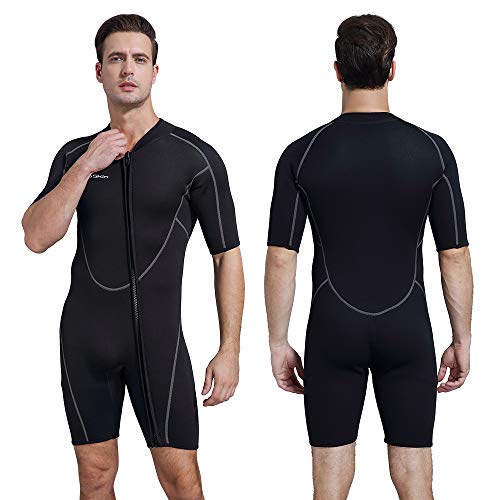
- 3mm neoprene with insulating nylon layers
- Front zip for easier entry and exit
- Shorty design suits active water sports
Best For: Moderate cold-water sessions where mobility matters
Entry-Level Full Suit
O'Neill Reactor-2 3:2mm Back Zip

- Ultra stretch neoprene for better flexibility
- Wind-resistant smoothskin adds insulation
- Back zip and seamless paddle zones improve comfort
Best For: Multi-sport use in cool water with easy entry
Thermal Cold-Water Suit

- 4/3mm neoprene for stronger thermal protection
- Full-body coverage with long sleeves
- Back zipper and thickened impact areas
Best For: Cold-water sessions needing more insulation and coverage
Versatile Cold Water Full Suit

- 3mm neoprene for cool-water heat retention
- 2mm sleeves and chest panel improve mobility
- Anti-abrasion knees and YKK zipper add durability
Best For: Cool-water multisport use with balanced warmth and flexibility
Cold-Water Heavyweight Choice
Mares Men's M-Flex 7 mm Cold Water Wetsuit

- 7 mm neoprene for cold water insulation
- Ultra-stretch material improves comfort
- Streamlined, full-body fit reduces drag
Best For: Divers needing maximum warmth in very cold conditions
Balanced Warmth and Mobility
Hevto Men 3/2mm Back-Zip Wetsuit

- Zoned 3/2 mm neoprene balances warmth and flex
- Back zip with pull cord simplifies entry
- Flatlock seams and knee panels boost comfort
Best For: Cool-water surfers, divers, and paddlers who want mobility
Budget-Friendly Versatile Pick

- 3 mm full suit for moderate cold-water warmth
- UPF 50+ and full-body coverage
- Back zip and wide activity range
Best For: Multi-sport users wanting a versatile, moderate-warmth suit
Thermal All-Rounder

- 5mm SCR neoprene body for added warmth
- 4mm stretch zones at neck and limbs
- Front YKK zip with UPF 50+ coverage
Best For: Cold-water users who want warmth, stretch, and easy on/off
Deep-Winter Protector

- 7mm thickness suited for water below 53.6°F
- Full-body coverage with UV protection coating
- Front zip and stretch fabric for easier wear
Best For: Very cold-water diving and snorkeling
Flexible Cold-Water Performer

- 5mm neoprene with GBS seams for warmth
- Stretch panels improve mobility in key areas
- Front diagonal zip for easier self-entry
Best For: Cold-water athletes who prioritize flexibility and comfort
Budget Shorty Pick – Seaskin 3mm Front Zip Shorty
If you want wetsuits for cold water in a shorter, easier-to-wear style, this 3mm Seaskin shorty is a practical option for milder cold conditions and active sessions. The neoprene build is designed to trap heat, while the front zip makes entry simpler than many full suits.
Best For: Snorkeling, swimming, diving, surfing, and water aerobics when you want warmth without a full-length suit.
Pros:
- 3mm neoprene with nylon layers for stretch and heat insulation
- Front zip design makes on and off easier
- Shorty cut can feel less restrictive for active water sports
- Made for diving, snorkeling, surfing, swimming, and water aerobics
Cons:
- Short sleeves and shorty form offer less coverage than a full wetsuit
- Fit is meant to be snug, so sizing needs attention
- Hand wash only care may be less convenient
Overall, this is a straightforward cold-water-friendly shorty for buyers who value comfort, insulation, and easy movement over maximum coverage. It makes the most sense for moderate cold rather than the harshest conditions.
Entry-Level Full Suit – O'Neill Reactor-2 3:2mm Back Zip
For shoppers comparing wetsuits for cold water, this O’Neill Reactor-2 gives you a lightweight full-body option with a focus on warmth and flexibility. The 3:2mm neoprene, smoothskin insulation, and seamless paddle zones are aimed at comfort across surfing and other water activities.
Best For: Surfing, paddleboarding, kayaking, diving, and general water sports when you want an easy-entry full suit.
Pros:
- Ultra stretch neoprene for flexibility and a softer feel
- Back zip system makes entry and exit easier
- Wind-resistant smoothskin adds insulation against cold
- Seamless paddle zones reduce seam placement for comfort and mobility
Cons:
- 3:2mm thickness is better for lightweight warmth than extreme cold
- Back zip may not seal out water as fully as more advanced designs
- Entry-level positioning may not suit users wanting maximum performance
This is a sensible full wetsuit for buyers who want a balance of warmth, flexibility, and easy use. It is especially appealing if you need one suit for multiple water sports rather than a specialty cold-water setup.
Thermal Cold-Water Suit – 4/3mm Full Body Back Zip
If your priority is wetsuits for cold water, this 4/3mm full suit is built around thermal protection and full-body coverage. The thicker neoprene and sealed design are meant to help reduce water entry while keeping you more insulated during demanding sessions.
Best For: Swimming, diving, surfing, snorkeling, paddle boarding, kayaking, and jet skiing in colder water.
Pros:
- 4/3mm neoprene construction targets cold-water warmth
- Full-body, long-sleeve design increases coverage and protection
- Back zipper makes it easier to get on and off
- Thickened hips, knees, and elbows add warmth and flexibility where needed
Cons:
- Heavier and thicker feel may be less agile than thinner suits
- Fit depends on checking the size chart carefully
- Temperature rating listed is modest, so it may not suit the coldest conditions
As a warm, sealed, full-coverage option, this suit is a strong fit for people who spend real time in chilly water. It favors thermal comfort and protection over a lightweight feel.
Versatile Cold Water Full Suit – Lemorecn 3mm Front Zip
For buyers seeking wetsuits for cold water with a balanced feel, this Lemorecn full suit uses 3mm neoprene and targeted warmth features to support a range of water sports. It is designed to hold heat at 55°F and above while still keeping movement relatively easy.
Best For: Scuba diving, snorkeling, surfing, and kayaking in cool to moderately cold water.
Pros:
- 3mm neoprene helps lock in body heat in cooler water
- 3mm chest panel and 2mm sleeves balance warmth and flexibility
- Anti-abrasion knee pads add durability for rougher use
- YKK zipper and velcro closure support secure wear and easier entry
Cons:
- Not as thick as 4/3mm suits for stronger cold protection
- Front-zip styling may not be preferred by everyone
- Warmth target is best described for water at 55°F and above
This is a well-rounded choice if you want one wetsuit that can handle multiple activities without feeling overly bulky. It offers a nice middle ground between insulation, mobility, and durability.
Cold-Water Heavyweight Choice – Mares Men's M-Flex 7 mm Cold Water Wetsuit
If you need wetsuits for cold water and want maximum insulation, the Mares Men’s M-Flex 7 mm full-body suit is built for chilly conditions. Its 7 mm neoprene thickness is the standout feature, while the ultra-stretch material helps keep movement more comfortable than you might expect from a thicker suit.
Best For: Divers and cold-water swimmers who want the warmest option in this group and prefer a full-body suit with a streamlined fit.
Pros:
- 7 mm neoprene is specifically engineered for cold water insulation.
- Ultra-stretch neoprene adds flexibility and comfort.
- Updated sizing is designed to fit a wider range of body types.
- Streamlined cut helps reduce drag in the water.
Cons:
- Thicker neoprene may feel less easygoing than a lighter suit.
- Best suited to cold water, so it may be more than you need for mild conditions.
The M-Flex focuses on warmth first, but it still keeps mobility in mind with its stretch construction and streamlined shape. If your priority is staying comfortable in cold water for longer sessions, this is the most insulation-heavy option here.
Balanced Warmth and Mobility – Hevto Men 3/2mm Back-Zip Wetsuit
For wetsuits for cold water when you want warmth without jumping straight to a heavy 7 mm suit, the Hevto Men 3/2mm wetsuit is a practical middle-ground pick. Its zoned thickness uses 3 mm neoprene in the torso and 2 mm in the limbs and flex areas, which helps support core warmth while keeping paddling and kicking easier.
Best For: Active water users who want a snug full suit for cool to cold water and need a better balance of warmth and mobility.
Pros:
- Zoned 3/2 mm construction targets warmth in the torso and flexibility in the arms and legs.
- Back zipper with pull cord and retention tab makes on and off easier.
- Flatlock seams and anatomically shaped panels support comfort during active sessions.
- Reinforced knee panels add coverage in high-contact areas.
Cons:
- 3/2 mm insulation is lighter than a dedicated 7 mm cold-water suit.
- Back-zip design may not appeal to everyone.
This suit is a solid pick if you expect movement-heavy sessions and want a full-body design that stays more agile. It gives you useful warmth for cooler water while avoiding the bulk of a thicker cold-water wetsuit.
Budget-Friendly Versatile Pick – OMGear 3mm Full Body Wetsuit
If you are comparing wetsuits for cold water and want a versatile full-body option, the OMGear 3mm suit is built for a wide range of water sports. It uses 90% neoprene and 10% stretchy nylon, with the brand noting it helps keep you warm in cold water while adding flexibility, UV protection, and a back-zip design for easier wear.
Best For: Men, women, and youth who want one suit for multiple water activities and moderate cold-water use.
Pros:
- 3 mm neoprene construction offers warmth for water around 60°F and up.
- Full-body design includes UV protection and UPF 50+.
- Back zipper makes it easier to put on and take off.
- Works for surfing, swimming, diving, snorkeling, and kayaking.
Cons:
- 3 mm thickness is less insulating than thicker cold-water wetsuits.
- Fit is tight by design, so sizing needs attention.
- Brand notes the suit may have a glue smell on arrival.
This is a flexible all-around suit rather than a maximum-warmth option. If you want one wetsuit that can handle several activities and still offer decent thermal support, it fits that role well.
Thermal All-Rounder – 5mm SCR Neoprene Full Suit
If you want wetsuits for cold water that balance warmth, flexibility, and everyday usability, this 5/4mm full suit is built for exactly that. The 5mm SCR neoprene body is designed to hold warmth close to the skin, while the 4mm high-elasticity neoprene at the neck and limbs helps keep movement comfortable during surfing, diving, snorkeling, and paddling.
Best For: Cold-water swimmers and multi-sport users who want a warm full suit with better stretch and easy front-zip entry.
Pros:
- 5mm SCR neoprene body is made to improve insulation and help you stay warm longer.
- 4mm high-elasticity CR neoprene at the neck and limbs adds comfort and mobility.
- Front YKK zipper makes the suit easier to put on and take off.
- UPF 50+ coverage and thickened knee pads add protection for long sessions.
Cons:
- Initial fit is intentionally tight, so it may feel restrictive at first.
- Some new-suit odor is noted in the product details.
Overall, this is a practical cold-water option if you want a suit that prioritizes warmth without giving up too much flexibility. The reinforced design and skin-friendly lining make it a solid choice for regular use across several water sports.
Deep-Winter Protector – 7mm Ultra Stretch Full Suit
For wetsuits for cold water where maximum insulation matters, this 7mm full-body suit is the warmest option in this roundup. The premium stretchy neoprene and super elastic nylon fabric are designed for flexible wear, while the thicker 7mm build is specifically noted as suitable for water below 53.6°F.
Best For: Divers and snorkelers who need a thicker suit for very cold conditions and full-body protection.
Pros:
- 7mm neoprene thickness is intended for colder water, down to below 53.6°F.
- Full-body, long-sleeve design adds coverage and helps reduce sun exposure.
- Front zipper with a long pull strap makes entry and removal easier.
- Stretch nylon fabric and 4-thread flatlock stitching are made for flexibility and durability.
Cons:
- Fit runs small, so sizing needs extra attention.
- Thicker construction may feel tight at first, according to the notes.
- Product notes mention a harmless glue smell when first received.
This is the most heavy-duty cold-water pick here, especially if warmth is your top priority. It is less about lightweight comfort and more about staying protected when temperatures drop hard.
Flexible Cold-Water Performer – 5mm GBS Front Zip Suit
If you’re shopping wetsuits for cold water and want something warm without the stiffness of a thicker suit, this 5mm full-body option is a strong middle ground. The neoprene body and GBS seams are built to reduce heat loss and water flushing, while the stretch panels at the shoulders, underarms, calves, and crotch are meant to keep movement freer during surfing, paddling, snorkeling, and diving.
Best For: Active water users who want a warm 5mm suit with better mobility and reduced water flushing.
Pros:
- 5mm neoprene body with GBS seams helps retain heat in cold water.
- Stretch panels in key zones improve paddling, bending, and kicking.
- Front diagonal zipper makes solo entry faster and easier.
- Reinforced stress points and knee panels add durability for repeat use.
Cons:
- Only the medium size is listed in the supplied details.
- Not as thick as a 7mm suit for the coldest water conditions.
As a cold-water wetsuit, this model stands out for combining warmth with a more flexible feel than many thicker alternatives. It should appeal most to users who move a lot in the water and want less restriction during longer sessions.
How We Picked the Best Wetsuits for Cold Water
We focused on Wetsuits for Cold Water that offer a practical mix of thermal protection, mobility, and overall value. Priority went to neoprene quality, seam construction, closure design, and fit options for different water sports. We also considered whether each suit is better suited to surfing, diving, snorkeling, or mixed-use recreation.
Quick Comparison
In this lineup, thinner 3/2mm suits are better for cool conditions and high-movement sports, while 4/3mm and 5/4mm options add noticeable warmth for colder water. The 7mm suits are the warmest here and are generally the best choice for winter diving or very cold sessions where insulation matters more than maximum flexibility.
Key Buying Factors for Wetsuits for Cold Water
Thickness
Thickness is the biggest factor in warmth. As a general rule, 3/2mm suits suit cool water and active use, 4/3mm works well for colder shoulder-season conditions, and 5mm to 7mm is better for serious cold. More thickness usually means more warmth, but also less stretch.
Fit and Seal
A cold-water wetsuit should fit snugly without restricting breathing or circulation. Gaps at the neck, wrists, ankles, or lower back can let in flushing water and reduce insulation fast. If you are between sizes, check the brand’s size chart carefully and consider your sport-specific movement needs.
Entry Style
Back-zip suits are easier to put on and take off, while front-zip designs often improve range of motion and can reduce water entry points. For colder conditions, the best choice depends on whether you value convenience or a tighter seal and better flexibility.
Seams, Lining, and Flex
Look for glued, blind-stitched, or otherwise reinforced seams when warmth is a priority. Stretchier neoprene improves paddling, swimming, and surfing comfort, but a super-flexible suit may not be as warm as a denser thermal build.
Who Should Buy Which Wetsuits for Cold Water?
If you surf, paddleboard, or kayak in cool but not freezing water, a 3/2mm suit is often the most comfortable all-around pick. If you spend longer periods in colder water, a 4/3mm or 5/4mm wetsuit is usually the better balance of warmth and mobility. Divers and winter-water users should lean toward the warmest 7mm options, especially when staying still is part of the session.
Choose based on your coldest typical water temperature, how long you stay in the water, and how much movement your activity requires. For Wetsuits for Cold Water, the right thickness and fit matter more than any single feature.