If you’re looking to elevate your underwater photography game, choosing the right camera housing is essential. You want something that not only protects your DSLR but also allows for easy access to controls while capturing stunning images beneath the waves. With a variety of options available, each designed for different depths and features, it can be overwhelming. So, what are the best underwater camera housings that can help you achieve those breathtaking shots?
DiCAPac WP-S10 Pro DSLR Camera Series Waterproof Case

If you’re an adventurous photographer looking to capture stunning underwater images, the DiCAPac WP-S10 Pro DSLR Camera Series Waterproof Case is a fantastic choice. This versatile case protects your DSLR camera with a lens size between 2.0 to 5.9 inches, letting you dive up to 16.4 feet without worry. Its roll and velcro zipper system, along with the built-in finger sleeve, guarantees you maintain full functionality while shooting. Constructed from nontoxic materials, it’s also dustproof, fogproof, and snowproof. With a lightweight design and high-quality lens, you’ll enjoy clear underwater photography without compromising on performance.
Best For: Adventurous photographers seeking to capture clear underwater images with their DSLR cameras.
Pros:
- Durable construction makes it dustproof, fogproof, sandproof, and waterproof up to 16.4 feet.
- Full camera functionality maintained through the roll and velcro zipper system and built-in finger sleeve.
- Lightweight design (15.2 ounces) allows for easy portability during outdoor activities.
Cons:
- Limited lens compatibility with only 2.0 to 5.9-inch lenses.
- Average customer rating of 3.7 out of 5 stars may indicate mixed user experiences.
- Potential for flare and rainbow colors in photos if the original filter is not removed.
OM System PT-059 Underwater Camera Housing for TG-6 and TG-7 Cameras

The OM System PT-059 Underwater Camera Housing is the perfect choice for adventure seekers who own Olympus Tough TG-6 or TG-7 cameras. This durable housing, available in striking red and black, allows you to dive up to 45 meters (147 feet) for stunning underwater photography. Weighing just 1 pound and measuring 6 x 1.05 x 3 inches, it’s lightweight and compact. With full access to camera controls and compatibility with optional lens-mounted accessories, you’ll capture clear, vibrant images effortlessly. Rated 5.0 out of 5 stars, this housing is a reliable companion for your underwater explorations.
Best For: Adventure seekers and photographers looking to capture stunning underwater images with their Olympus Tough TG-6 or TG-7 cameras.
Pros:
- Durable design allows for underwater use up to 45 meters (147 feet).
- Full access to camera controls and compatibility with optional lens-mounted accessories.
- Lightweight and compact, making it easy to carry on adventures.
Cons:
- Exclusively compatible with TG-6 and TG-7 models, limiting use for other camera brands.
- May require additional purchases for lens-mounted accessories and external flash units.
- Slightly higher price point compared to standard camera cases.
Universal Diving Case Bag for DSLR Cameras
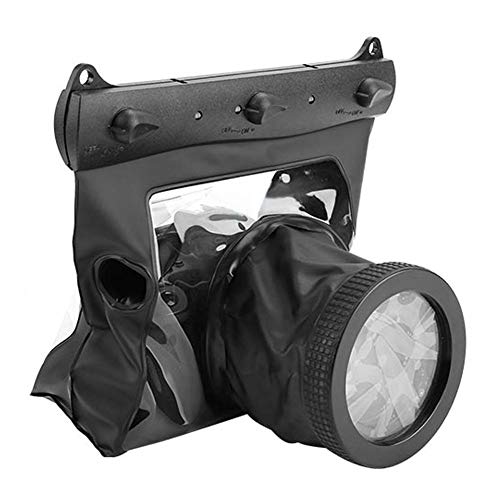
For underwater photographers seeking a reliable and versatile solution, the Universal Diving Case Bag is an excellent choice thanks to its impressive waterproof capabilities, sealing your DSLR camera securely up to 20 meters deep. Weighing just 10.7 ounces, it’s portable and easy to handle. Its floating design prevents sinking, while protection against dust, mud, and snow guarantees your gear stays safe. You can operate your camera directly through the case, making it user-friendly. Although some users report difficulties accessing controls, many praise the clear lens for stunning underwater shots. Perfect for beaches, pools, and adventurous outings, it’s a solid investment.
Best For: Underwater photographers looking for a secure and portable solution to protect their DSLR cameras while capturing stunning underwater images.
Pros:
- 100% waterproof up to 20 meters, ensuring your camera stays dry.
- Lightweight and portable design with a floating feature to prevent sinking.
- User-friendly operation allows for direct camera use through the case.
Cons:
- Some users find it difficult to access camera controls while in the case.
- Reports of fogging and poor photo quality in certain conditions.
- Camera insertion and removal can be awkward for some users.
Camera Housing Bag for SLR DSLR Cameras
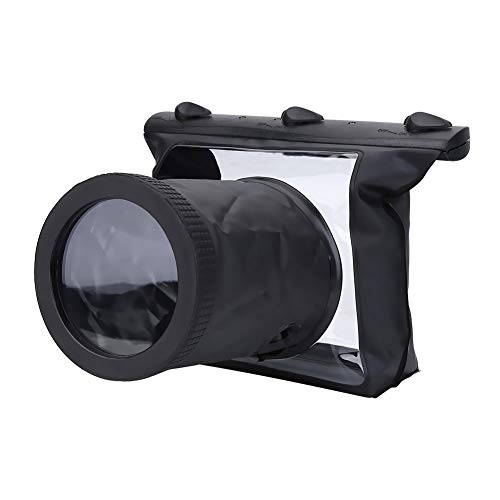
Designed specifically for photographers who want to capture stunning underwater images, the Camera Housing Bag for SLR DSLR cameras offers a transparent lens that guarantees easy operation and clear picture quality. With dimensions of 7.87 x 3.94 x 1.97 inches and a lightweight design of 14.1 ounces, it’s perfect for your adventures. Constructed from high-quality materials, this bag is waterproof up to 20 meters, protecting your camera from water, dust, and impacts. It’s ideal for diving, swimming, or drifting, ensuring your gear remains safe. Plus, enjoy responsive customer support and a top rating, making it a must-have for underwater photography enthusiasts.
Best For: Underwater photography enthusiasts looking for a reliable and protective housing for their SLR DSLR cameras.
Pros:
- Waterproof up to 20 meters, ensuring protection during various water activities.
- Transparent lens design allows for clear image capture and easy camera operation.
- Lightweight and compact, making it convenient for travel and adventures.
Cons:
- Limited to underwater use; may not be suitable for land photography.
- Potentially high price point compared to standard camera bags.
- Requires careful handling to ensure the seals remain intact for waterproofing.
DSLR Universal Waterproof Underwater Housing Case Pouch Bag

When seeking an affordable solution to protect your DSLR during casual water activities, the DSLR Universal Waterproof Underwater Housing Case Pouch Bag stands out. Waterproof up to 20 meters, it’s perfect for diving, rafting, and snorkeling. Weighing just 10.9 ounces and made from high-quality materials, this pouch provides full access to your camera’s buttons. While it’s praised for keeping your gear dry, some users find it challenging to adjust settings and experience lens distortion. Ideal for splashes rather than deep underwater photography, it’s a great value for occasional use, though serious photographers may want a dedicated housing.
Best For: Casual users looking to protect their DSLR cameras from splashes during water activities like snorkeling, rafting, and swimming.
Pros:
- Effective in keeping cameras dry during splashes and light rain.
- Lightweight and made from high-quality, durable materials.
- Universal fit for most DSLR models, allowing for full access to camera buttons.
Cons:
- Difficulty in accessing camera settings and adjustments while in the case.
- Reports of lens distortion affecting photo quality.
- Not recommended for serious underwater photography or hot spring use.
Camera Waterproof Housing for DSLR Cameras

If you’re an adventurous photographer looking to capture stunning underwater images, the Tteoobl Camera Waterproof Housing for DSLR cameras is an excellent choice. This robust housing is designed to protect your gear, sealing out moisture, dust, and sand while allowing you to dive up to 20 meters. Crafted from durable materials like polycarbonate and PVC, it fits most DSLR models, including Nikon. You’ll appreciate the direct camera operation, ensuring you don’t miss a shot. Remember to conduct a waterproof test before use and limit your underwater sessions to five hours for the best results. Enjoy your underwater photography adventures!
Best For: Adventurous photographers seeking to capture high-quality underwater images with their DSLR cameras.
Pros:
- Robust construction provides excellent protection against moisture, dust, and sand.
- Compatible with most DSLR models, including popular brands like Nikon, allowing versatility.
- Direct camera operation within the case ensures you can easily capture moments without delays.
Cons:
- Limited underwater use of up to five hours may restrict longer photography sessions.
- Not suitable for high temperatures or hot springs, which may limit some outdoor activities.
- Requires a waterproof test before use, adding an extra step for preparation.
SeaLife SportDiver S Compact Smartphone Scuba Housing

The SeaLife SportDiver S Compact Smartphone Scuba Housing is perfect for underwater photographers who want to capture stunning images with their smartphones while diving. Waterproof up to 100 feet, it fits all iPhones (8 and up) and most Android models. You’ll appreciate the cam-lock sealing mechanism and moisture sensors that guarantee a secure closure. The anti-fog feature prevents internal fogging, while easy access to camera controls allows you to zoom, focus, and adjust white balance seamlessly. Plus, the large shutter lever works well with gloved hands. With included accessories and a robust warranty, it’s an excellent choice for your underwater adventures.
Best For: Underwater photographers looking to use their smartphones for capturing high-quality images while diving.
Pros:
- Waterproof to 100 feet, making it suitable for various diving conditions.
- Easy camera control access, allowing users to operate functions like zoom and focus without disrupting their usual habits.
- Includes essential accessories such as spare rubber grip tabs and O-rings for added convenience.
Cons:
- Limited compatibility, as it only fits iPhones (8 and up) and most Android models, excluding Ultra models.
- Weight of 2 pounds may be cumbersome for some users during extended dives.
- Requires AAA batteries, which adds to the need for additional preparation before diving.
Sea Frogs Waterproof Camera Housing for Sony A6000/A6300/A6500
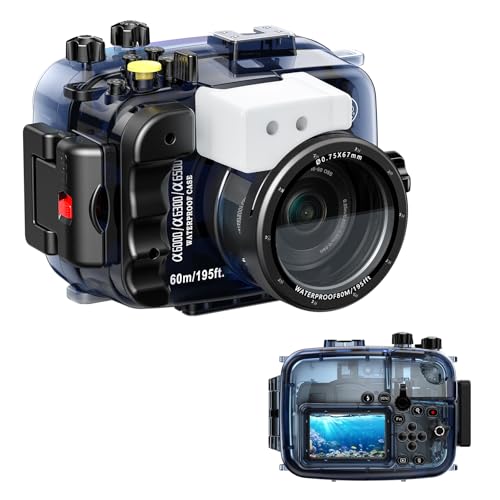
For underwater enthusiasts and photographers looking to capture stunning images with their Sony A6000, A6300, or A6500, the Sea Frogs Waterproof Camera Housing stands out as an exceptional choice. Designed to withstand depths of up to 60 meters, it’s IPX8 certified and made from durable materials like polycarbonate and stainless steel. The clear anti-reflection glass guarantees high-quality shots, while the leak detection alarm keeps your gear safe. With a shockproof rating and compatibility with various accessories, this housing offers versatility for diving, surfing, or kayaking. Weighing 2.2 pounds, it’s easy to handle, making your underwater photography experience enjoyable.
Best For: Underwater enthusiasts and photographers seeking a reliable and high-quality housing for their Sony A6000, A6300, or A6500 cameras.
Pros:
- High durability with a maximum diving depth of 60 meters and IPX8 certification.
- Clear anti-reflection glass ensuring excellent underwater image quality.
- Equipped with a leak detection alarm for added safety during underwater activities.
Cons:
- Weighs 2.2 pounds, which may be slightly heavy for some users.
- Limited operational temperature range (0-40 degrees Celsius) may restrict usage in extreme conditions.
- Warranty information not readily available, requiring further inquiry from the manufacturer.
Seafrogs Underwater Housing for Canon G7X Mark II

Perfectly tailored for enthusiasts of underwater photography, the Seafrogs Underwater Housing for the Canon G7X Mark II offers a remarkable depth rating of 40 meters (130 feet). Designed specifically for the G7X II, it’s perfect for surfing, snorkeling, and diving. You’ll appreciate its individual testing to guarantee safety and prevent accidents, making it easy to insert your camera. Enjoy enhanced shooting with connections for flash, fill-in light, and other devices while benefiting from 360-degree protection. Plus, it comes with essential accessories like a wrist strap, shoulder strap, spare O-ring, and user manual, ensuring you’re fully equipped for your underwater adventures.
Best For: Underwater photography enthusiasts looking for a reliable and durable housing for their Canon G7X Mark II camera.
Pros:
- Depth rating of 40m (130ft) allows for a wide range of underwater activities.
- Easy camera insertion ensures a hassle-free setup before diving or snorkeling.
- Includes essential accessories like wrist and shoulder straps, making it convenient for users.
Cons:
- Limited to Canon G7X Mark II, which may not suit users with other camera models.
- Depth rating may not be sufficient for professional divers looking to explore deeper waters.
- Additional equipment needed (like flash or lights) may require extra investment.
Sea Frogs Waterproof Housing Case for OM System TG-7 Cameras

Designed specifically for the OM SYSTEM TG-7, the Sea Frogs Waterproof Housing Case offers an impressive depth rating of up to 195 feet, making it an ideal choice for underwater enthusiasts who want to capture stunning photographs without worrying about water damage. Weighing just 1.87 pounds, it’s lightweight and easy to transport. Its triple waterproof design features dual rings and a leak detection sensor. Plus, the durable construction guarantees protection against impacts and corrosion. You’ll love the simple installation process, allowing you to quickly secure your camera and start shooting, whether diving or filming in rainy conditions.
Best For: Underwater photography enthusiasts and adventurers looking for a reliable housing case for their OM SYSTEM TG-7 camera.
Pros:
- Triple waterproof design with dual rings and a leak detection sensor for enhanced protection.
- Durable construction that is wear-resistant, corrosion-resistant, and can withstand high impacts.
- Lightweight and portable, making it easy to carry and use in various aquatic environments.
Cons:
- Potential concerns about leaks that may require diligent O-ring maintenance after use in saltwater.
- Mixed reviews on durability after multiple uses, with some users reporting issues over time.
- Additional accessories like the vacuum pump system for pre-dive checks are sold separately, which might add to the overall cost.
Factors to Consider When Choosing Underwater Camera Housings for DSLR
When choosing underwater camera housings for your DSLR, you’ll want to take into account several key factors. Think about the depth rating, material durability, and how well the housing protects your camera. Also, check for compatibility with your camera model and guarantee the controls are easily accessible while keeping design and weight in mind.
Depth Rating Requirements
Choosing the right depth rating for your underwater camera housing is vital, as it directly impacts your shooting experience and equipment safety. Depth ratings typically range from 5 meters (16.4 feet) to over 60 meters (196 feet). For recreational snorkeling, a rating of 20 meters (65 feet) is usually sufficient, while professional diving requires ratings above 40 meters (130 feet). It’s important to select a housing that matches your intended activities because exceeding the depth rating can lead to water damage and loss of your camera. Many housings come with added waterproofing features like double O-rings or leak detection systems. Always check the manufacturer’s specifications and perform pre-dive tests to guarantee the housing remains intact at the rated depth.
Material Durability and Protection
While selecting an underwater camera housing, you can’t overlook the importance of material durability and protection. The housing’s durability largely hinges on the materials used, such as polycarbonate and ABS plastic, which provide robust defense against impacts and moisture. Look for housings featuring anti-drop and anti-freeze properties to guarantee they can withstand harsh underwater conditions. A well-constructed housing should have multiple sealing mechanisms, like O-rings, to prevent water ingress and safeguard sensitive camera components. Additional protective features, such as shockproof ratings and UV resistance, can enhance the housing’s longevity. Remember, regular maintenance of seals and careful handling after exposure to saltwater are key to maintaining the integrity and functionality of your underwater housing.
Compatibility With Camera Models
Material durability and protection are just the beginning of your underwater photography journey. When choosing an underwater camera housing, make certain it’s specifically designed for your DSLR model. This guarantees compatibility and peak performance. Some housings, like the OM System PT-059, are tailored exclusively for specific cameras, which helps avoid any functionality issues. While universal options exist, user experience can vary, particularly in accessing controls and achieving the best image quality. Always check the manufacturer’s compatibility list to confirm support for optional accessories, such as conversion lenses or external flash units. Additionally, consider the housing’s depth rating; some, like the DiCAPac WP-S10, are suited for shallower depths, while others accommodate deeper underwater exploration.
Accessibility of Controls
When you’re underwater, having quick access to your camera controls is crucial for capturing the perfect shot. Look for housings that offer direct accessibility to buttons and dials without needing to remove your camera. Many designs incorporate features like roll and velcro zippers or built-in finger sleeves to enhance this accessibility. Make certain the housing allows you to operate essential functions like shutter release, zoom, and mode settings easily. Some models provide dedicated control dials for adjustments like exposure compensation, which is priceless when shooting. However, be aware that certain housings may restrict access to specific controls, affecting your shooting flexibility. Prioritize user-friendly designs to guarantee you capture stunning underwater moments effortlessly.
Design and Weight Considerations
Choosing the right underwater camera housing involves considering both design and weight, as these factors greatly impact your shooting experience. A lightweight structure is vital for portability, with weights typically ranging from 10.7 ounces to 2.2 pounds. Compact dimensions, like 3.07 x 7.48 x 6.89 inches, enhance maneuverability underwater. Opt for a floating design to prevent your camera from sinking, ensuring safety during dives. Common materials like polycarbonate, ABS plastic, and optical glass offer durability and resistance to moisture, dust, and impact. Finally, an ergonomic design that allows easy access to camera controls is fundamental, so you can adjust settings without removing the camera from its housing. Prioritizing these elements will enhance your underwater photography experience.
Additional Features and Accessories
Several key features and accessories can greatly enhance your underwater photography experience with DSLR camera housings. Look for housings that support additional accessories like external flash units, conversion lenses, or filters to elevate your shots. Built-in leak detection systems are vital; they alert you to water intrusion before it’s too late. Choose housings that provide easy access to your camera controls, allowing you to adjust settings effortlessly while underwater. A robust sealing mechanism and durable materials are essential for protecting against impacts, moisture, and dust. Additionally, consider models with anti-fog capsules or moisture-absorbing materials to prevent internal fogging, which can ruin your images. These features will guarantee you capture stunning underwater photos with confidence.
Budget and Pricing Options
As you explore options for underwater camera housings, it’s important to take into account your budget and the features that align with your photography goals. Prices can range from around $50 for basic models to over $1,000 for high-end options. Keep in mind the depth rating; pricier housings typically allow for greater depths—up to 60 meters—while budget models may limit you to 20 meters. Consider durability, waterproof seals, and additional features like compatibility with external flashes, as these can affect pricing. Check customer ratings and feedback to gauge value; higher-rated products often justify their cost through better performance. Finally, look into warranty and customer support, as these can save you money on repairs down the line.