Choosing the right wetsuit can make a huge difference when the water turns cold. The best options balance warmth, flexibility, and fit so you can stay out longer and surf better.
This roundup of the best surfing wetsuits for cold water focuses on practical picks for different temperatures, thickness levels, and entry styles.
Best 10 Surfing Wetsuits for Cold Water Picks for 2026
Best for Warmth and Mobility

- Warm neoprene SCR build with plenty of stretch
- Sealed seams help limit cold-water flushing
- Reinforced knees and back zip suit active use
Best For: Surfers and multi-sport water users who want a flexible cold-water suit.
Best for Extra Warmth
Men’s 5mm Superstretch Fullsuit Wetsuit

- 5/4mm thickness for cold-water insulation
- SuperStretch neoprene for better mobility
- GBS seams help reduce flushing and retain heat
Best For: Surfers who want a warmer fullsuit for cold-water sessions around 44°F.
Best Value Back-Zip Warmth
O'Neill Reactor-2 3:2mm Full Wetsuit

- 3:2mm neoprene balances warmth and flexibility
- Back zip entry is easy to get on and off
- Good all-around choice for surfing and watersports
Best For: Budget-conscious surfers who want a flexible full suit for cool to cold water.
Best for Warmth
Lansru 5/4mm Cold Water Wetsuit

- 5/4mm neoprene for better cold-water insulation
- Front zip design for easier on and off
- UPF 50+ coverage and knee protection add utility
Best For: Cold-water surfers who want a warmer full suit with easy entry and extra protection.
Best for Easy Entry
Lemorecn Men’s 3mm Front-Zip Wetsuit

- 3mm neoprene with a warmer chest panel for cooler water
- Front zip and velcro closure make it easy to get on and off
- Anti-abrasion knee pads and YKK zipper improve durability
Best For: Men who want an easy-on cold-water wetsuit for surfing and mixed water sports.
Best Entry-Level Warmth
Hevto Men 3/2mm Cold Water Wetsuit

- 3/2mm neoprene balances warmth and flexibility
- Front/back zip helps with easier on and off
- Good starter suit for surfing and multi-sport use
Best For: Beginner surfers and casual open-water users who want affordable cold-water coverage.
Best with Extra Features
Men’s 3mm Full Body Neoprene Wetsuit
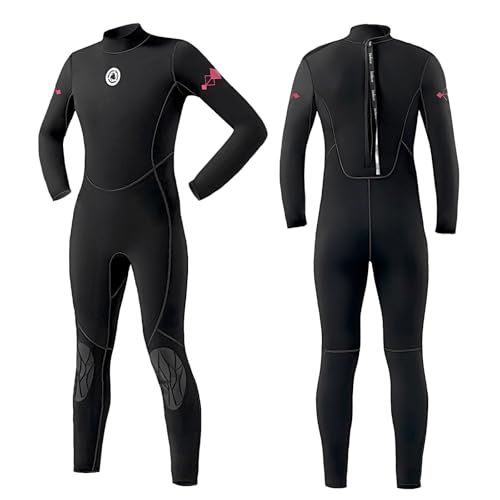
- 3mm neoprene for cool-water warmth
- Full-body coverage for wind and splash protection
- Back zipper makes dressing simpler
Best For: Beginners and casual water-sports users who want an easy-to-wear full-body suit for cool water.
Best for Warmth and Mobility – Hevto Men 4/3mm Full Wetsuit
If you want one of the more versatile surfing wetsuits for cold water, the Hevto Men 4/3mm full suit is built to balance insulation, stretch, and all-around water-sports use. Its neoprene SCR construction, sealed seams, and back-zip design make it a practical choice for staying warmer without feeling overly restricted.
Best For: Surfers, swimmers, divers, and paddlers who want a flexible cold-water wetsuit for mixed-use sessions.
Pros:
- Neoprene SCR and super-stretch nylon help preserve warmth while keeping movement easy.
- Glued, blind-stitched seams reduce water entry for better cold-water comfort.
- Reinforced knees add durability for surfing and other active use.
- Back zipper with flap makes entry and exit simpler.
Cons:
- Back-zip suits can let in more water than chest-zip designs.
- Not the thickest option if you regularly surf in very frigid conditions.
Overall, the Hevto is a solid pick if you want surfing wetsuits for cold water that lean more toward flexibility and multi-sport versatility than maximum expedition-level insulation. It’s a sensible value choice for colder sessions where comfort and ease of movement matter.
Best for Extra Warmth – Men’s 5mm Superstretch Fullsuit Wetsuit
If you want surfing wetsuits for cold water that prioritize warmth over everything else, this 5/4mm fullsuit is built for colder sessions. The SuperStretch neoprene helps keep movement freer than many thicker suits, while the GBS seam construction is designed to cut down on flushing and help hold heat in.
Best For: Surfers, divers, and snorkelers who need a warmer fullsuit for cold-water conditions around 44°F and want solid flexibility.
Pros:
- 5/4mm thickness offers strong insulation for cold water
- SuperStretch neoprene improves mobility and reduces arm fatigue
- GBS seams help limit water entry and improve warmth
- Durable build with a convenient key loop
Cons:
- Best suited to colder water, so it may feel too warm in mild conditions
- Handwash care only, which takes a bit more effort
- Fit may need careful sizing to maximize warmth and comfort
This is a practical pick if your priority is staying warm in colder sessions without sacrificing too much flexibility. For surfing wetsuits for cold water, the thicker neoprene and sealed seam design make it a straightforward value choice for everyday cold-season use.
Best Value Back-Zip Warmth – O'Neill Reactor-2 3:2mm Full Wetsuit
If you want a dependable entry-level suit for surfing wetsuits for cold water, the O’Neill Reactor-2 3:2mm backs up its low-friction design with easy on-and-off convenience and solid all-around flexibility. It’s a practical pick for surfers who want warmth without jumping to a thicker, more restrictive suit.
Best For: Surfers and multi-sport water users who want an affordable, flexible full suit for cool-to-cold sessions.
Pros:
- 3:2mm neoprene gives a good balance of warmth and mobility
- Back zip entry makes it easier to put on and take off
- Lightweight feel works well for surfing, paddling, and general watersports
Cons:
- Not as warm as thicker 4/3mm or 5/4mm cold-water suits
- Back zip can let in more water than chest-zip designs
For surfers comparing surfing wetsuits for cold water on a budget, this suit is a sensible middle-ground option: warm enough for cooler conditions, but still flexible and easy to wear for regular use.
Best for Warmth – Lansru 5/4mm Cold Water Wetsuit
If you want surfing wetsuits for cold water that prioritize insulation and a close fit, this Lansru 5/4mm suit is built for longer sessions in chilly conditions. The thicker neoprene body, flexible 4mm zones at the neck and limbs, and front-zip entry make it a practical pick for surfers who need warmth, mobility, and easy on/off use.
Best For: Surfers, snorkelers, and divers who want a warmer full suit for cold-water sessions with added sun and impact protection.
Pros:
- 5/4mm neoprene construction helps retain heat in cold water
- Front YKK zipper makes self-entry and removal easier
- Flexible stretch zones and seamless design improve comfort and movement
- UPF 50+ coverage plus knee pads add extra protection
Cons:
- Thicker build may feel tight before it fully breaks in
- Not as ideal for warm-water surfing or hot climates
For buyers comparing surfing wetsuits for cold water, this model stands out for its warmth-first construction and practical details rather than ultralight flexibility. It’s a solid choice if you want dependable thermal protection without giving up an easy front-zip design.
Best for Easy Entry – Lemorecn Men’s 3mm Front-Zip Wetsuit
If you want a straightforward pick among surfing wetsuits for cold water, the Lemorecn Men’s 3mm front-zip suit focuses on warmth, easy on/off, and solid everyday durability. It’s a practical option for surfers who also split time between snorkeling, diving, or kayaking.
Best For: Men who want a simple, budget-conscious cold-water wetsuit with a front-zip design and versatile water-sport use.
Pros:
- 3mm neoprene with a warmer chest panel helps retain heat in cooler water.
- Front zipper and adjustable velcro make entry, exit, and fit easier.
- Anti-abrasion knee pads and YKK zipper add useful durability for frequent use.
- Flatlock seams and UV 50+ protection add comfort for longer sessions.
Cons:
- 3mm build is better for cool conditions than truly frigid water.
- Front-zip comfort can vary depending on torso shape and fit preference.
For surfers shopping surfing wetsuits for cold water without overcomplicating the purchase, this Lemorecn suit delivers the essentials: warmth, easy access, and tough enough construction for regular sessions. It’s a sensible all-rounder if you want one wetsuit for multiple watersports.
Best for Everyday Use – Dark Lightning 3/2mm Cold Water Wetsuit
If you want one of the more approachable surfing wetsuits for cold water, this Dark Lightning 3/2mm suit is a practical pick for mild-to-cool sessions. The stretchy neoprene is designed to balance warmth and mobility, while the back zipper makes it easier to get on and off than many front-zip alternatives.
Best For: Beginners and casual water-sports users who want a simple, affordable wetsuit for surfing, snorkeling, kayaking, or lake sessions in moderate cold.
Pros:
- 3/2mm neoprene offers a good warmth-to-flexibility balance for 58–68°F water
- Back zipper with extended leash makes entry and exit straightforward
- Clean, all-black design is versatile and low-profile
- Suitable for surfing, swimming, snorkeling, and paddle sports
Cons:
- Not ideal for very cold water where thicker insulation is needed
- Back-zip design may leak more than higher-end sealed suits
- Fit depends on checking the updated size chart carefully
Overall, this suit makes sense if you’re shopping for surfing wetsuits for cold water and need a user-friendly option that won’t feel overly technical or restrictive. It’s a solid entry-level choice for cooler conditions, especially if easy wear matters as much as warmth.
Best Entry-Level Warmth – Hevto Men 3/2mm Cold Water Wetsuit
If you want a simple, affordable option for surfing wetsuits for cold water, this Hevto 3/2mm suit is built for beginners who need basic warmth, buoyancy, and full-body coverage without overcomplicating the setup. The neoprene-and-nylon construction is aimed at comfort and everyday use across surfing, swimming, diving, and other open-water sports.
Best For: Beginner and casual water-sport users who want an accessible cold-water wetsuit for surfing, swimming, and light diving.
Pros:
- 3/2mm neoprene offers a good balance of warmth and flexibility for milder cold-water sessions.
- Front/back zip design makes it more practical for getting in and out than many budget suits.
- Flatlock stitching and soft lining help improve comfort for new wetsuit wearers.
- Works across multiple water activities, including surfing, snorkeling, and paddle sports.
Cons:
- 3/2mm thickness may not be enough for very cold water or long winter surf sessions.
- Like many entry-level wetsuits, the fit can feel tight at first.
- Initial neoprene odor is normal but may bother sensitive buyers out of the box.
For surfing wetsuits for cold water, this Hevto suit makes sense if you prioritize coverage, comfort, and versatility over maximum thermal performance. It’s a straightforward pick for getting into cold-water sessions without paying for a high-end technical suit.
Best with Extra Features – Men’s 3mm Full Body Neoprene Wetsuit
If you want surfing wetsuits for cold water that balance warmth, mobility, and convenience, this 3mm full-body neoprene suit is a practical place to start. It’s designed to cover more of the body for better wind and splash protection while still staying flexible enough for surfing, swimming, kayaking, and other water sports.
Best For: Beginners and casual water-sports users who want a full-coverage 3mm suit with easy on-and-off access and solid all-around protection.
Pros:
- 3mm neoprene adds thermal insulation for cooler sessions without feeling overly bulky.
- Full-body coverage helps shield against wind, UV, and minor underwater irritation.
- Back zipper with extended pull cord makes it easier to get on and off.
- Flexible fit supports surfing, snorkeling, kayaking, and swimming.
Cons:
- 3mm is better for cool water than truly icy conditions.
- May not match the stretch or seal of higher-end surf-specific wetsuits.
Overall, this is a straightforward, multipurpose option for surfing wetsuits for cold water when you want warmth, basic protection, and simple entry at a value-friendly setup. It’s a sensible pick for casual cold-weather outings rather than advanced performance surfing.
Best for Thick Cold-Water Coverage – Owntop 5mm Full Wetsuit
If you need surfing wetsuits for cold water that prioritize warmth over ultra-thin flexibility, the Owntop 5mm full suit is built for cooler sessions. The thick neoprene body, front zip entry, and snug wrist and ankle seals make it a practical pick for surfers, snorkelers, and other watersports users who want added insulation.
Best For: Cold-water surfers and multi-sport users who want a full-coverage 5mm wetsuit with easy on/off access.
Pros:
- 5mm neoprene body helps retain heat in cold water
- Front YKK zipper makes entry and exit easier
- UPF50+ fabric adds sun protection for surface use
- Snug wrist and ankle cuffs help reduce water flush
Cons:
- Thicker neoprene can feel less flexible than lighter suits
- Fit depends heavily on chest, waist, and hip measurements
As surfing wetsuits for cold water go, this Owntop suit is a straightforward value option for riders who want dependable warmth and full-length coverage. It is less about high-performance stretch and more about staying comfortable longer when the water temperature drops.
Best Value 3mm Full-Body Wetsuit – Skyone 3mm Front-Zip Thermal Suit
If you want an affordable layer for surfing wetsuits for cold water, this 3mm full-body Skyone suit is built to add warmth without giving up too much flexibility. The front zip makes it easier to pull on, while the snug neoprene fit helps reduce drag for surf, swim, and paddle sessions.
Best For: Budget-minded surfers, snorkelers, and paddlers who need basic cold-water thermal protection.
Pros:
- 3mm neoprene gives solid warmth for cool to moderately cold water
- Front-zip design is easier to get on and off than back-zip suits
- Full-body long-sleeve coverage helps block wind, sun, and minor irritants
- Works for surfing, kayaking, swimming, snorkeling, and diving
Cons:
- Fit runs tight by design, so sizing takes a bit of attention
- 3mm is warm, but not a substitute for thicker suits in very cold water
This is a practical entry-level pick for surfing wetsuits for cold water when you want coverage, comfort, and versatility at a lower price point. It’s a sensible choice for casual sessions and mixed-water sports, especially if you value easy entry and a simple one-piece design.
How We Picked the Best Surfing Wetsuits for Cold Water
We focused on Surfing Wetsuits for Cold Water that offer a strong mix of thermal protection, seam construction, stretch, and value. We also considered how easy each suit is to get on and off, since comfort matters when you are changing before and after a session.
Quick Comparison
As a simple rule, thicker suits generally provide more warmth, while thinner suits tend to feel lighter and more flexible. A 5/4mm suit is usually better for colder surf, a 4/3mm or 3/2mm suit suits milder cold-water sessions, and zip style can affect both warmth and convenience.
Key Buying Factors for Surfing Wetsuits for Cold Water
Thickness and Temperature
Match the suit thickness to your local water temps and your own cold tolerance. If you run cold or surf in winter, prioritize thicker neoprene and added thermal panels. If conditions vary, a midweight suit may be more versatile.
Fit and Seal
A snug fit is essential. Too loose, and cold water flushes through the suit; too tight, and mobility suffers. Pay attention to neck, wrists, ankles, and torso fit, because these areas affect warmth the most.
Seams, Zip, and Construction
Glued and blind-stitched seams usually improve heat retention versus basic stitching alone. Front zip designs can reduce flushing and increase warmth, while back zip suits are often easier to put on. Reinforced panels can also help durability.
Flexibility and Movement
Good Surfing Wetsuits for Cold Water should still let you paddle comfortably. Stretchier neoprene and thoughtful panel placement matter if you want to keep your shoulders and arms free in the lineup.
Who Should Buy Which Surfing Wetsuits for Cold Water?
If you surf the coldest months or live in a consistently chilly region, choose a warmer, thicker full suit with stronger thermal features. If you want a balance of warmth and mobility for shoulder-season sessions, a mid-thickness suit is often the best fit.
Beginners and occasional surfers may prefer easier entry and a straightforward fit, while experienced surfers who spend more time in the water should focus more on seal quality, seam construction, and paddle comfort. Pick the suit that matches your conditions first, then refine by flexibility and price.