Cold water can make even a short swim uncomfortable, but the right rash guard adds insulation, sun protection, and protection from chafing without restricting movement.
This roundup compares 10 options, from fleece-lined and thermal tops to neoprene wetsuit jackets and streamlined compression layers, so you can match warmth and coverage to your activity.
Best 10 Rash Guards for Cold Water Picks for 2026
Best Thermal Layer
Fleece-Lined Thermal Rash Guard

- Fleece lining adds warmth
- UPF 50+ and quick-drying
- Four-way stretch for movement
Best For: Cool-water swimming, paddling, and layering under a wetsuit
Best Neoprene Pullover

- Flexible 1.5mm neoprene
- Flatlock seams reduce chafing
- Boardshort connector secures fit
Best For: Surfing, paddling, kayaking, and other active water sports
Best Low-Bulk Insulation

- Thermal insulation with low bulk
- UPF 50+ sun protection
- Low neck layers under wetsuits
Best For: Adding warmth beneath a wetsuit on chilly days
Best Zip-Front Women’s Top

- 2mm neoprene adds warmth
- Front zipper for easy changing
- Sealed collar, hem, and cuffs
Best For: Women’s swimming, paddling, snorkeling, and other water sports
Versatile Compression Layer
LAFROI Men's UPF 50+ Rash Guard
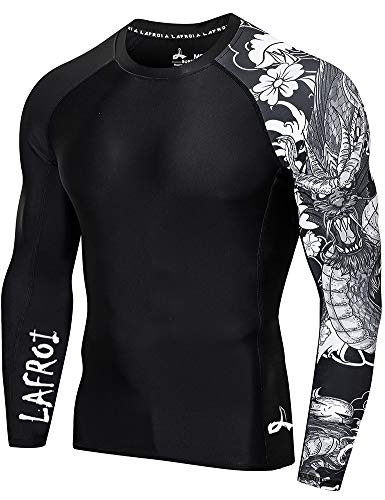
- UPF 50+ sun protection
- Quick-drying, breathable stretch fabric
- Compression fit for multi-sport use
Best For: Lightweight layering for watersports, training, and outdoor activities
Thermal Comfort Pick
Splash About Thermaswim Thermal Swim Top

- Brushed fleece inner lining
- Long sleeves for heat retention
- Four-way stretch with a close fit
Best For: Cold-water swimming and layering under a wetsuit
Low-Bulk Wetsuit Layer
O'Neill Women's Thermo-X Rashguard

- Thermal fleece insulation with low bulk
- UPF 50+ and quick-dry performance
- Low neckline for wetsuit compatibility
Best For: Women layering under a wetsuit on chilly water days
Sun-Smart Performance Pick

- UPF 50+ fabric protects during sunny water activities.
- Quick-drying four-way stretch supports mobility.
- Flatlock seams help limit skin irritation.
Best For: Surfing, swimming, paddling, and beach days
Full-Coverage Pick

- Full-body coverage protects against sun, scrapes, and stings.
- 0.5mm blend dries quickly after water activities.
- Zipper closure helps with dressing and fit.
Best For: Diving, surfing, kayaking, and snorkeling coverage
Best Thermal Layer – Fleece-Lined Thermal Rash Guard
For shoppers comparing rash guards for cold water, this fleece-lined thermal swim shirt adds warmth without giving up stretch. Its long sleeves, UPF 50+ fabric, and quick-drying recycled polyester make it suited to chilly pools, open-water swimming, paddling, and snorkeling.
Best For: Swimmers and paddlers who want a soft thermal layer for cool conditions or extra insulation beneath a wetsuit.
Pros:
- Soft fleece lining provides added warmth for chilly sessions.
- Four-way stretch, flatlock seams, and underarm seam placement support comfortable movement.
- UPF 50+ coverage, quick-drying fabric, and odor resistance add practical versatility.
- Made from GRS-certified recycled polyester sourced from five recycled bottles.
Cons:
- The snug athletic fit makes checking the product-specific size chart important.
- Hand-wash care may require more attention than machine-wash alternatives.
This is a strong pick when a standard rash guard feels too light but a full wetsuit would be excessive. The longer torso and boardshort connector can also help keep the top in place during active water sports.
Best Neoprene Pullover – O'Neill Reactor-2 1.5mm Top
Among rash guards for cold water, this 1.5mm neoprene pullover is designed for lightweight warmth and flexibility. The snug pull-on construction, flatlock seams, and boardshort connector make it practical for surfing, swimming, paddleboarding, kayaking, and other water activities.
Best For: Water-sports users who prefer a flexible neoprene top with a simple pullover design and added coverage.
Pros:
- Ultraflex neoprene provides warmth and high stretch for active movement.
- Flatlock seams are designed to reduce chafing against the skin.
- Built-in boardshort connector helps prevent the top from riding up.
- Long sleeves provide abrasion, impact, and UV protection.
Cons:
- The pullover design has no zipper for easier entry.
- UPF 30 protection is lower than the UPF 50+ rating offered by some alternatives.
This top sits between a conventional rash guard and a heavier wetsuit layer. Its 1.5mm construction favors flexibility and low bulk, while the secure fit is intended to limit water entry and movement during activity.
Best Low-Bulk Insulation – O'Neill Thermo-X Rashguard
This O’Neill Thermo-X is a practical option for shoppers seeking rash guards for cold water that can also layer under a wetsuit. Its thermal fabric is designed to provide insulation with low bulk, while UPF 50+ protection and water-repellent, odor-resistant properties add utility for extended time around the water.
Best For: Wetsuit users who want a snug, low-profile thermal layer for chilly days.
Pros:
- Thermo-X fabric provides insulation without substantial bulk.
- UPF 50+ offers strong sun protection for covered skin.
- Four-way stretch supports movement during water activities.
- The super-low neck is designed to avoid interference with a wetsuit collar.
Cons:
- The snug fit may not suit shoppers who prefer a relaxed shirt cut.
- Hand-wash care is required.
Choose this model when layering compatibility matters more than standalone jacket features. Its low neckline and medium-weight thermal construction are especially useful beneath a wetsuit on chilly days.
Best Zip-Front Women’s Top – GoldFin 2mm Neoprene Jacket
For women comparing rash guards for cold water, this 2mm neoprene wetsuit top offers more structured warmth than a fabric swim shirt. A front zipper makes it easy to put on and remove, while smoothskin seals at the collar, hem, and cuffs are designed to help limit cold-water entry.
Best For: Women who want a zip-front neoprene top for swimming, water aerobics, surfing, diving, paddling, snorkeling, or kayaking.
Pros:
- 2mm neoprene provides warmth and can help extend the water-sports season.
- Front zipper allows quick on-and-off changes.
- Smoothskin seals at the collar, hem, and cuffs help protect against cold water.
- Suitable for a broad range of water activities and offers some buoyancy.
Cons:
- Neoprene may have a temporary odor when first opened.
- The product is a top-only layer, so it does not provide full-body wetsuit coverage.
- Its listed temperature rating is 70°F, which may not suit significantly colder water.
This jacket is a convenient choice when easy changing and a thicker neoprene feel are priorities. Rinse it with cold water and hang it to dry after use, as recommended in the supplied care guidance.
Versatile Compression Layer – LAFROI Men's UPF 50+ Rash Guard
If you want rash guards for cold water that can also handle training and watersports, this LAFROI long-sleeve baselayer offers a lightweight, close compression fit. Its stretch nylon-spandex fabric dries quickly and adds UPF 50+ coverage, though it is not specifically fleece-lined for thermal insulation.
Best For: Multi-sport users who want a lightweight compression rash guard for layering, surfing, paddle sports, BJJ, or outdoor training.
Pros:
- UPF 50+ fabric helps provide sun protection.
- Quick-drying, breathable material helps manage moisture.
- High-stretch compression fabric supports unrestricted movement and muscle control.
- Long sleeves and versatile styling suit water and land-based activities.
Cons:
- Lightweight construction may provide less warmth than thermal or fleece-lined options.
- Slim compression fit makes careful size-chart checking important.
Choose this model when flexibility, sun coverage, and moisture management matter more than maximum cold-water insulation. For genuinely chilly conditions, consider wearing it beneath a warmer layer.
Thermal Comfort Pick – Splash About Thermaswim Thermal Swim Top
Among rash guards for cold water, the Splash About Thermaswim stands out for its brushed fleece inner lining. The close-fitting, long-sleeve top is designed to retain body heat while keeping drag low, making it a practical base layer for swimming and other water activities.
Best For: Cold-water swimmers, paddleboarders, surfers, and anyone who wants a thermal layer under a wetsuit.
Pros:
- Brushed fleece lining provides added warmth and comfort.
- Long sleeves help retain body heat in cold conditions.
- Four-way stretch supports unrestricted movement.
- Close fit helps reduce drag and works under a wetsuit.
Cons:
- UPF 15 protection is lower than the UPF rating of some competing rash guards.
- Thermal lining may feel warmer than needed in mild or warm water.
- Available sizing is listed by chest ranges, so measuring before ordering is advisable.
This is the most directly cold-water-focused choice in the group. Its fleece-backed polyester prioritizes warmth without giving up stretch, while the slim profile keeps it useful as a wetsuit base layer.
Low-Bulk Wetsuit Layer – O'Neill Women's Thermo-X Rashguard
For rash guards for cold water that need to fit smoothly beneath a wetsuit, the women’s O’Neill Thermo-X combines thermal fleece fabric with a low-bulk design. It also provides UPF 50+, quick-dry performance, water repellency, and odor resistance for extended use around the water.
Best For: Women seeking a slim, warm under-wetsuit layer for chilly days, with strong sun protection for outdoor water activities.
Pros:
- Thermo-X fabric provides insulation with low bulk.
- UPF 50+ offers high-level sun protection.
- Quick-dry, water-repellent fabric is practical for repeated water use.
- Super-low neck is designed to avoid interference with a wetsuit neckline.
Cons:
- Slim fit may require attention to sizing and layering preferences.
- Hand-wash care is less convenient than machine-washable alternatives.
- Its specialized women’s cut may not suit every body shape.
The Thermo-X is a strong choice when you want warmth without a bulky layer under a wetsuit. Its low neckline and thermal fleece liner make it particularly suited to streamlined cold-weather layering.
Neoprene Warmth Pick – 1.5mm Front-Zip Wetsuit Top
For shoppers comparing rash guards for cold water, this 1.5mm neoprene top provides more insulation than a lightweight fabric rashguard. Its long sleeves, close fit, and front zipper make it a practical layering choice for swimming, snorkeling, surfing, and similar watersports.
Best For: Adults who want a stretchy neoprene top for cool-weather watersports and added coverage.
Pros:
- 1.5mm neoprene helps retain warmth during cold-weather activity.
- Long sleeves provide sun and abrasion coverage.
- Front zipper makes it easier to put on and remove.
- Stretchy neoprene-and-nylon construction supports movement.
Cons:
- It is a top-only layer rather than a full wetsuit.
- The close fit may feel tight initially.
- The manufacturer notes that it is not waterproof.
This is the strongest cold-water-oriented option in the group when warmth is the priority. Expect a snug neoprene fit designed to reduce water entry, rather than the lighter, quicker-drying feel of a traditional rashguard.
Sun-Smart Performance Pick – O'Neill Basic Skins Rashguard
O'Neill Wetsuits Men's Basic Skins UPF 50+ Long Sleeve Rash Guard, Black, Large
Check Price On AmazonIf you are evaluating rash guards for cold water but also need reliable sun coverage, the O’Neill Basic Skins long-sleeve rashguard is a lightweight performance layer. Its UPF 50+ fabric, quick-drying construction, and four-way stretch suit active days on the water.
Best For: Surfers, swimmers, and paddlers seeking a close-fitting rashguard for sun protection and reduced skin friction.
Pros:
- UPF 50+ protection is designed for extended sun exposure.
- Polyester-and-spandex fabric offers four-way stretch.
- Quick-drying material suits repeated water activity.
- Flatlock stitching and minimal seams help reduce rash.
Cons:
- It is a lightweight rashguard, not a thick insulating wetsuit layer.
- The performance fit is form-fitting and may not suit loose-layer preferences.
This option makes sense when sun protection, comfort, and mobility matter more than substantial thermal insulation. For genuinely cold water, it may work better as part of a layered setup than as a standalone warmth solution.
Full-Coverage Pick – Thin Full-Body Dive Skin
For shoppers seeking rash guards for cold water with more coverage than a shirt, this full-body dive skin covers the arms and legs in one piece. Its thin neoprene-and-spandex construction, zipper closure, and quick-drying design are aimed at diving, surfing, kayaking, and snorkeling.
Best For: Adults who want full-body coverage from sun, scrapes, and stings during watersports.
Pros:
- Full-body design provides more coverage than a top-only rashguard.
- Long sleeves help protect against sun, scrapes, and stings.
- Quick-drying blend is designed for comfort in and out of the water.
- Zipper closure supports easier dressing and fit adjustment.
Cons:
- At 0.5mm, it is thinner than the 1.5mm neoprene top in this roundup.
- The supplied listing specifies a large size, so fit selection may be limited.
- A full-body suit can be less convenient than a separate top and bottom.
This dive skin is a practical coverage-first choice, especially when protection from sun and surface hazards is important. Its thin profile offers less stated insulation than a thicker wetsuit top, so check the sizing and temperature needs carefully.
How We Picked the Best Rash Guards for Cold Water
We focused on the features that matter most in cool-water swimming, surfing, snorkeling, diving, and water training: insulation, material thickness, fit, mobility, coverage, drying performance, and ease of layering. The selection includes thermal fabric tops, 1.5mm and 2mm neoprene jackets, compression-style baselayers, and full-body dive skins.
Because cold tolerance and activity levels vary, we did not treat one construction as universally best. A thermal swim shirt may be more comfortable for pool sessions, while neoprene provides stronger insulation for open-water use. UPF ratings, flat or smooth seams, thumb-friendly sleeves, and secure hems were also considered where listed.
Quick Comparison
- Best for lightweight layering: Thermal and compression rash guards with a close, flexible fit.
- Best for more insulation: Fleece-lined tops and neoprene jackets from 1.5mm to 3mm.
- Best for sun protection: Long-sleeve UPF 50+ rash guards and full-body dive skins.
- Best for diving and snorkeling: Neoprene tops or full-body skins that work beneath additional equipment.
- Best for regular swim training: Low-bulk thermal tops that dry quickly and allow unrestricted arm movement.
Key Buying Factors for Rash Guards for Cold Water
Insulation and Thickness
Fabric thickness strongly affects warmth and flexibility. Lightweight thermal shirts are easier to swim in but offer less insulation than neoprene. A 1.5mm top is a versatile middle ground, while 2mm or 3mm neoprene is better for colder conditions but can feel more restrictive.
Fit and Layering
Choose a close fit that sits smoothly against the skin without creating pressure points. Loose fabric can let water circulate and reduce warmth; an excessively tight top can limit breathing and shoulder movement. Check whether the garment is designed to be worn alone, under a wetsuit, or over swimwear.
Coverage and Sun Protection
Long sleeves protect against both sun and board or equipment irritation. UPF 50+ is useful for exposed-water activities, but it does not replace insulation. A full-body dive skin provides more coverage, while a top is easier to remove and better suited to general swimming.
Activity and Water Conditions
For brief swims in mildly cool water, a thermal rash guard may be sufficient. Longer sessions, snorkeling, surfing, and diving generally call for neoprene or a layered system. Consider wind exposure, water temperature, exertion level, and whether you will spend time standing still.
Who Should Buy Which Rash Guards for Cold Water?
Choose a fleece-lined or thermal top if you want comfort for pool workouts, recreational swimming, or moderate cold without the bulk of a wetsuit.
Choose a neoprene jacket if you need greater warmth for open-water swimming, surfing, snorkeling, or diving. Select thickness based on conditions and how much flexibility you need.
Choose a compression baselayer if mobility, quick drying, and easy layering are priorities. These are especially practical beneath a wetsuit or for high-output water sports.
Choose a full-body dive skin if you need maximum coverage from sun, abrasion, and light exposure during snorkeling or scuba activities. Before buying, verify the size chart, zipper placement, sleeve length, and care instructions.