Cold lakes demand more than a basic wetsuit. The right suit helps you stay warmer, move efficiently, and enjoy longer sessions without losing comfort or confidence.
In this roundup, we focused on wetsuits that balance insulation, stretch, and practical features for open-water swimmers, triathletes, and recreational water users.
Best 10 Open Water Wetsuits for Cold Lakes Picks for 2026
Best for Cold-Water Insulation
Hevto Men 5/4/3/2mm Full Wetsuit

- Warm neoprene build for colder water
- Sealed seams help reduce flushing
- Back zipper improves on/off convenience
Best For: Cold-lake swimmers and mixed water-sport users who want a warmer full suit.
Best for Easy On/Off

- 3/2mm neoprene offers solid comfort in cool water
- Back zipper design simplifies entry and exit
- Good for swimming, kayaking, snorkeling, and light surf
Best For: Recreational lake users who want an easy-to-wear wetsuit for cool conditions.
Best 5mm Thermal Coverage
DEHAI Men’s 5mm Back-Zip Wetsuit

- 5mm neoprene for stronger cold-water insulation
- Back zipper with wrist and ankle zips for easier entry
- Reinforced knees and shins for added durability
Best For: Cold-water lake swimmers and men who want a warmer full-body wetsuit for multi-sport use.
Best for Easy Entry
Hevto Men’s 3/2mm Cold Water Wetsuit

- 3/2mm neoprene for cool-water warmth
- Easy-entry zipper setup
- Full-body coverage for multi-sport use
Best For: Cold-lake swimmers and paddlers who want a versatile full suit with simple entry.
Best for 5mm Warmth
DEHAI Mens 5mm Full-Body Wetsuit
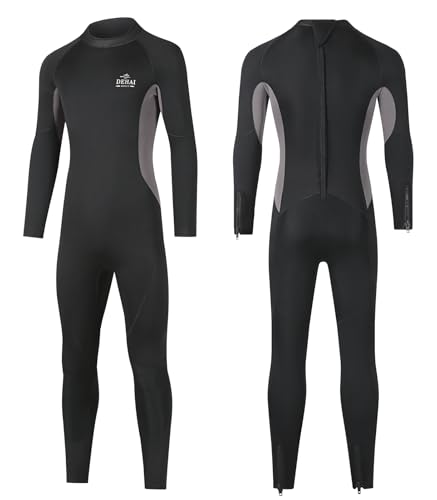
- 5mm neoprene for better cold-water insulation
- Back zipper with wrist and ankle zippers for easier entry
- Reinforced knees add durability for active sessions
Best For: Men who want a warmer full-coverage wetsuit for cold-lake swimming and multi-sport use.
Best for Full-Body Warmth
DEHAI 5mm Men’s Back-Zip Wetsuit
- 5mm neoprene for strong cold-water insulation
- Back, wrist, and ankle zips for easier entry
- Reinforced knees and shin protection for durability
Best For: Cold-lake swimmers and multi-sport users who want a warm, full-body wetsuit.
Best for Heavy-Duty Warmth
DEHAI 5mm Back-Zip Men’s Wetsuit
- 5mm neoprene for strong cold-water insulation
- Back zipper with wrist and ankle zippers for easier entry
- Reinforced knees and shins for added durability
Best For: Cold-lake swimmers and paddlers who want a warmer, full-coverage wetsuit for mixed water sports.
Best for Thick Cold-Water Coverage
DEHAI 5mm Men’s Thermal Wetsuit
- 5mm neoprene for stronger cold-water insulation
- Full-body design with back zip and ankle/wrist zippers
- Reinforced knees and shins for added durability
Best For: Cold-lake swimmers and multi-sport users who want extra warmth and full coverage.
Best for Maximum Warmth
DEHAI 5mm Men’s Thermal Wetsuit
- 5mm neoprene for stronger cold-water insulation
- Back zipper with zippered wrists and ankles
- Full-body coverage with reinforced knees
Best For: Cold-water swimmers and recreation divers who want extra warmth and easy entry.
Best for Thick-Water Warmth
DEHAI 5mm Men's Back-Zip Wetsuit
- 5mm neoprene for colder-water insulation
- Back zipper and ankle/wrist zips for easier wear
- Full-body coverage with reinforced knees/shins
Best For: Cold-lake swimmers and paddlers who want a thicker full suit with easy entry.
Best for Cold-Water Insulation – Hevto Men 5/4/3/2mm Full Wetsuit
If you want a warmer full suit for open water wetsuits for cold lakes, the Hevto Men Wetsuit is built with thick neoprene, flexible stretch panels, and sealed seams to help cut down on flushing. It’s a practical choice for swimmers, surfers, and divers who need insulation without losing too much mobility.
Best For: Cold-lake swimmers and multi-sport water users who want a warm, full-coverage wetsuit with easy entry.
Pros:
- Thick neoprene construction helps retain heat in colder water
- Sealed, glued, and blind-stitched seams reduce water entry
- Stretchy fit supports swimming, surfing, and diving movement
- Back zipper with puller makes the suit easier to put on and remove
Cons:
- Full suits can feel restrictive compared with thinner open-water options
- Warmth may still depend on water temperature and how well the suit fits
- Back-zip designs can let in more water than some chest-zip alternatives
Overall, this Hevto suit is a solid pick if you want dependable insulation and buoyancy for open water wetsuits for cold lakes, especially if you’re crossing over between swimming and other water sports.
Best for Easy On/Off – Dark Lightning 3/2mm Wetsuit
If you want a simple, affordable option for open water wetsuits for cold lakes, this Dark Lightning 3/2mm suit is built for mild-to-cool water use without feeling bulky. The stretchy neoprene helps with mobility for swimming, paddling, snorkeling, and casual surf sessions, while the back zipper makes it easier to get in and out.
Best For: Recreational swimmers, paddlers, and first-time buyers who want a straightforward wetsuit for lake use in cool conditions.
Pros:
- 3/2mm neoprene balances warmth and flexibility for cool water
- Back zipper with extended leash is easy to manage
- All-black design is clean and low-profile
- Works well for swimming, kayaking, snorkeling, and light surf use
Cons:
- Not intended for very cold water or long exposure
- Fit depends heavily on checking the updated size chart
- Less insulated than thicker open water suits
For buyers comparing open water wetsuits for cold lakes, this model makes the most sense when you need comfort, flexibility, and basic thermal protection rather than expedition-level warmth. It’s a practical pick for spring and shoulder-season lake outings where easy movement matters as much as insulation.
Best 5mm Thermal Coverage – DEHAI Men’s 5mm Back-Zip Wetsuit
If you want more insulation than a thin spring suit can provide, this 5mm full-body option is built for open water wetsuits for cold lakes and other chilly conditions. The back zipper, ankle/wrist zips, and three-layer construction aim to make entry easier while helping lock in warmth for swimming, snorkeling, kayaking, or light surf use.
Best For: Men who need a warmer, full-coverage wetsuit for cold-water lake swimming and multi-sport use.
Pros:
- 5mm neoprene offers strong thermal insulation for cold water
- Back zipper plus wrist and ankle zips help with getting in and out
- Reinforced knees/shins add durability for repeated use
- Versatile enough for diving, snorkeling, surfing, and kayaking
Cons:
- 5mm thickness can feel less flexible than thinner suits
- Fit may take a few wears to settle in properly
- Not the best choice if you want a very easy-on, lightweight suit
For open water wetsuits for cold lakes, this DEHAI suit makes sense if warmth and coverage matter more than maximum mobility. It’s a practical pick for cold conditions, especially if you want a simple back-zip design with extra sealing details and reinforced wear points.
Best for Easy Entry – Hevto Men’s 3/2mm Cold Water Wetsuit
If you want a straightforward suit for open water wetsuits for cold lakes, the Hevto Men’s 3/2mm full wetsuit is built to add warmth, buoyancy, and basic protection without feeling overly bulky. It’s a practical pick for swimmers and paddlers who need a versatile cold-water layer for longer sessions.
Best For: Cold-lake swimmers, surfers, snorkelers, and paddlers who want an easy-on full suit for moderate chill.
Pros:
- 3/2mm neoprene helps retain warmth in cool water
- Back/front zipper design makes entry and exit simpler
- Full coverage adds wind, sun, and scratch protection
- Suitable for multiple water sports, not just swimming
Cons:
- Not the warmest option for very cold water conditions
- Fit can be more important than on thicker suits, so sizing matters
For open water wetsuits for cold lakes, this Hevto model makes sense if you want a balanced, multi-use suit that leans toward comfort and convenience over maximum thermal protection. It’s a solid everyday option for cooler temperatures and active water outings.
Best for 5mm Warmth – DEHAI Mens 5mm Full-Body Wetsuit
If you want more insulation for open water wetsuits for cold lakes, this DEHAI 5mm full-body suit is built to hold warmth while still giving you the flexibility to swim, snorkel, or paddle comfortably. The back zipper makes it easier to get in and out, and the added wrist, ankle, and knee details help it stand up better to regular use in colder conditions.
Best For: Men who need a warmer, full-coverage wetsuit for cold-lake swimming, scuba, surfing, or other mixed water sports.
Pros:
- 5mm neoprene helps retain heat in cold water
- Back zipper plus wrist and ankle zippers improve fit and entry
- Reinforced knees add durability for active use
- Full-body coverage suits a range of water sports
Cons:
- Thicker neoprene can feel less flexible than thinner suits
- Fit may take a few uses to feel fully dialed in
- Best suited to men, so sizing options are limited for other buyers
For buyers comparing open water wetsuits for cold lakes, this model stands out as a straightforward warmth-first option rather than a race suit. It’s a practical pick if your priority is staying comfortable longer in chilly water without giving up full-body protection.
Best for Full-Body Warmth – DEHAI 5mm Men’s Back-Zip Wetsuit
If you want a simple, full-coverage suit for open water wetsuits for cold lakes, this DEHAI 5mm neoprene option is built to prioritize warmth and easy entry. The back zipper, ankle and wrist zips, and snug thermal construction make it a practical pick for swimming, snorkeling, kayaking, and other chilly-water activities.
Best For: Cold-lake swimmers and multi-sport users who want a warm, full-body wetsuit with easy on-and-off access.
Pros:
- 5mm neoprene and three-layer thermal design help retain heat in cold water.
- Back zipper plus wrist and ankle zips make entry, exit, and fit adjustment easier.
- Reinforced knees and shin protection add durability for rougher use.
- Works across swimming, diving, snorkeling, kayaking, and surfing.
Cons:
- 5mm thickness can feel bulky compared with thinner, more flexible suits.
- Snug fit may require a few uses to break in and feel ideal.
- Not the lightest option for warmer shoulder-season water.
For buyers comparing open water wetsuits for cold lakes, this model stands out more for warmth and coverage than for premium stretch or race-level mobility. It’s a straightforward choice if staying warm matters more than maximizing freedom of movement.
Best for Heavy-Duty Warmth – DEHAI 5mm Back-Zip Men’s Wetsuit
If you want a thicker suit for open water wetsuits for cold lakes, this 5mm DEHAI full-body wetsuit is built to prioritize warmth, coverage, and durability. The back zipper makes entry easier, while the sealed neoprene construction and snug fit help reduce flushing in chilly water.
Best For: Swimmers, divers, and paddlers who need a warm, full-coverage suit for cold-lake sessions, scuba, snorkeling, or other cold-water training.
Pros:
- 5mm neoprene offers strong insulation for colder water conditions.
- Back zipper plus wrist and ankle zippers improve entry and fit adjustment.
- Reinforced knees/shins add durability for active use.
- Versatile enough for swimming, diving, kayaking, and surfing.
Cons:
- Thicker neoprene can feel less flexible than lighter suits.
- Fit may take a few uses to feel fully dialed in.
For buyers comparing open water wetsuits for cold lakes, this model stands out as a practical warmth-first option rather than a performance-race suit. It makes the most sense when insulation, coverage, and general cold-water versatility matter more than maximum speed or minimal bulk.
Best for Thick Cold-Water Coverage – DEHAI 5mm Men’s Thermal Wetsuit
If you need one of the more insulating open water wetsuits for cold lakes, this 5mm DEHAI full suit is built around warmth first: a thicker neoprene body, sealed construction, and a back-zip entry that makes it easier to get on and off after chilly swims.
Best For: Swimmers, snorkelers, and multi-sport water users who want a warmer full-body suit for cold-lake sessions, surf, or scuba.
Pros:
- 5mm neoprene helps add real thermal protection in cold water
- Full-body coverage with long sleeves, plus wrist and ankle zippers for a more adjustable seal
- Reinforced knees/shins add durability for frequent use
- Versatile enough for swimming, diving, surfing, kayaking, and spearfishing
Cons:
- Thicker neoprene can feel less flexible than thinner suits
- Back-zip designs may not feel as streamlined as front-zip options
- Fit may take a few wears to settle in
For cold-lake training or extended time in brisk water, this suit leans toward warmth and coverage over speed. It’s a practical pick if your priority is staying comfortable in open water wetsuits for cold lakes rather than maximizing race-level mobility.
Best for Maximum Warmth – DEHAI 5mm Men’s Thermal Wetsuit
If you need a thicker suit for open water wetsuits for cold lakes, this 5mm DEHAI full-body neoprene option is built to trap heat and add a little buoyancy while keeping movement practical for swimming, snorkeling, kayaking, and scuba.
Best For: Cold-water swimmers and recreation divers who want a full-coverage suit with extra insulation and easy back-zip entry.
Pros:
- 5mm neoprene construction offers strong thermal protection for colder water
- Back zipper plus zippered wrists and ankles make entry and fit adjustments easier
- Full-body coverage with reinforced knees helps improve durability
- Stretchy, snug design helps reduce drag and maintain warmth
Cons:
- Thicker neoprene can feel restrictive compared with thinner suits
- Best suited to colder conditions, not warm-water use
- Fit may take a few wears to settle in properly
For buyers prioritizing warmth over flexibility, this is a straightforward pick for open water wetsuits for cold lakes. It’s a solid choice when you want full coverage, dependable insulation, and a simple design that works across multiple water sports.
Best for Thick-Water Warmth – DEHAI 5mm Men's Back-Zip Wetsuit
If you want a thicker suit for open water wetsuits for cold lakes, this DEHAI 5mm full-body option is built to add warmth without feeling overly complicated. The back zipper makes it easier to get on and off, while the sealed construction helps cut down on cold-water flush for swimming, snorkeling, kayaking, and other watersports.
Best For: Swimmers and water-sports users who want a 5mm full suit for colder lake sessions, with extra coverage and easy entry.
Pros:
- 5mm neoprene offers solid insulation for colder water
- Back zipper plus wrist and ankle zippers help with entry and fit
- Full-body coverage with knee/shin reinforcement for added durability
- Works across diving, surfing, swimming, snorkeling, and kayaking
Cons:
- Thicker neoprene can feel less flexible than thinner suits
- Best warmth comes with a snug fit, so sizing matters
- Not the lightest option for warmer shoulder-season use
For open water wetsuits for cold lakes, this is a practical pick if warmth and coverage matter more than maximum flexibility. The 5mm build and sealed design make it a sensible choice for chilly sessions where staying comfortable in the water is the main priority.
How We Picked These Open Water Wetsuits for Cold Lakes
We prioritized thickness, thermal coverage, sealing, and range of motion, with an eye toward real-world use in chilly freshwater conditions. We also considered entry style, durability, and whether a suit is better suited to swimming, surfing, snorkeling, or mixed water sports.
Quick Comparison
For colder lakes, thicker suits generally provide more insulation, while slimmer suits offer better flexibility and easier swimming. A 5mm suit is typically the warmer choice for very cold water, while 3/2mm options usually work better when you need more mobility or expect moderate cold rather than near-freezing conditions.
Key Buying Factors for Open Water Wetsuits for Cold Lakes
Thickness and Temperature Range
Neoprene thickness affects warmth more than almost any other factor. Look for full-body coverage and consider where you lose heat fastest: chest, core, back, and legs. If you run cold or swim in long sessions, prioritize more insulation.
Fit and Sealing
A wetsuit should feel snug without restricting breathing or shoulder rotation. Too loose, and cold water flushes in; too tight, and you lose comfort and efficiency. Seals at the neck, wrists, and ankles help reduce water exchange.
Mobility and Entry System
Back-zip suits are often simpler to put on, while front-zip designs can improve comfort and reduce chafing for some swimmers. If you need frequent arm turnover, choose a suit with enough stretch through the shoulders and upper torso.
Purpose and Water Conditions
For Open Water Wetsuits for Cold Lakes, match the suit to your main activity. Triathletes and distance swimmers usually want warmth with flexibility, while paddlers and mixed-sport users may prefer a slightly warmer, more durable build.
Who Should Buy Which Open Water Wetsuits for Cold Lakes?
If you are swimming in very cold lakes or staying in the water for longer periods, choose the warmest full-coverage option available in the lineup. If your priority is mobility, a mid-thickness suit can make stroke mechanics feel easier. For budget-minded buyers, focus on fit and seam quality first, since a well-fitting lower-cost suit often outperforms a poorly sized premium one.
The best choice comes down to your lake temperature, session length, and how much freedom of movement you need. Start with warmth, then narrow by fit and entry style to find the right balance for your conditions.