Choosing the right lobster claw gloves for diving can make a big difference in comfort, dexterity, and hand protection when you are working around shells, rocks, lines, and gear.
Below, we focus on the most useful options for different water temperatures and dive styles so you can pick gloves that fit your conditions and your harvest goals.
Best 10 Lobster Claw Gloves for Diving Picks for 2026
Best for Rugged Protection
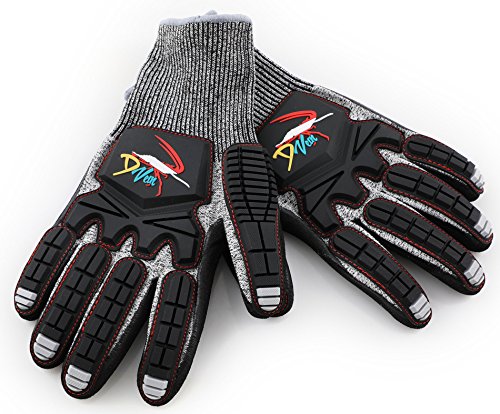
- Aramid build resists cuts and punctures
- Rubber knuckle guard boosts impact protection
- Textured palm improves wet grip and control
Best For: Divers and lobster hunters who need durable hand protection around sharp reef and catch.
Best for Cold-Water Warmth
O'Neill Psycho Tech 5mm Lobster Claw Gloves

- 5mm neoprene with Firewall insulation boosts cold-water warmth
- Lobster-claw shape preserves more dexterity than a full mitten
- Fluid-weld seams and wrist seal help limit flushing
Best For: Cold-water divers and surfers who want warmth, grip, and decent finger mobility.
Best for Cut Protection
Cut Resistant Lobster Diving Gloves
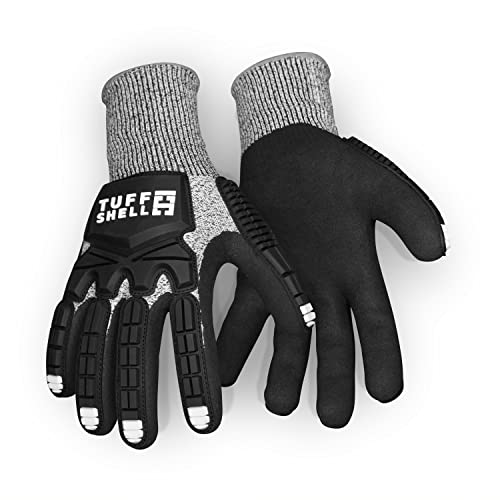
- HPPE liner for cut and abrasion resistance
- Textured nitrile palm for better wet grip
- TPR back panels add extra hand protection
Best For: Divers who want cut resistance, grip, and touchscreen use in one glove.
Best for Small Spaces
O'Neill Psycho Tech 5mm Lobster Claw Gloves
- 5mm neoprene for strong cold-water insulation
- Pre-curved lobster claw fit boosts comfort
- Fluid Weld seams help reduce flushing
Best For: Cold-water divers and surfers who want warmth with better dexterity than standard mitts.
Best for Easy Setup

- Cut- and puncture-resistant for reef, rock, and shell contact
- Flexible interior keeps the gloves easier to move in
- Non-slip palms and wrist strap help improve grip and fit
Best For: Divers and spearfishers who want protective gloves that still feel flexible in the water.
Best for Heavy-Duty Protection
- Aramid build resists cuts and punctures
- Rubber knuckle guard boosts impact protection
- Grippy palm keeps handling secure underwater
Best For: Divers who need rugged hand protection for lobstering, spearfishing, and reef work.
Best for Protection and Grip
Cut Resistant Lobstering Gloves
- HPPE liner helps resist cuts and tears
- Textured nitrile palm improves wet grip
- TPR panels add back-of-hand protection
Best For: Divers who want safer handling, solid grip, and touchscreen use.
Best with Extra Features
- Aramid material helps resist cuts and punctures
- Rubber knuckle guard and reinforced palm add durability
- Textured grip supports spearfishing and lobstering tasks
Best For: Divers who need tougher gloves for sharp reefs, shells, and underwater handling.
Best for Hand Protection
Cut-Resistant Lobstering Gloves
- HPPE cut-resistant liner for shell and abrasion protection
- Nitrile palm provides secure grip on wet, slippery catches
- TPR back panels add extra coverage without killing mobility
Best For: Divers who want protective, grippy lobster gloves for underwater handling.
Best for Full-Hand Protection
Tuff Shell Cut Resistant Lobstering Gloves
- Touchscreen-ready on all 5 fingers
- HPPE liner for cut and tear resistance
- Nitrile palm and TPR back for grip and protection
Best For: Divers who want protective, grip-focused gloves for lobstering and spearfishing.
Best for Rugged Protection – D Vein Lobster Diving Gloves
If you want lobster claw gloves for diving that prioritize hand protection over extra bulk, the D Vein Lobster Diving Gloves are built for hard use around spines, rock, coral, and rough gear. The aramid construction, rubber knuckle guard, and textured palm make them a practical choice when you need grip and cut resistance in the water.
Best For: Divers, spearfishers, and lobster hunters who want a tougher glove for reef work, crevice reaching, and handling sharp catch.
Pros:
- Aramid fiber helps resist cuts and punctures from spines, claws, and barnacles
- Rubber knuckle and reinforced palm add impact and abrasion protection
- Textured grip stays usable for wet catch, tools, and speargun handling
- Elastic cuffs and quick-drying build make them easy to wear and maintain
Cons:
- Protection-focused design may feel thicker than lightweight dive gloves
- Fit can be snug, so sizing matters
For buyers comparing lobster claw gloves for diving, this pair stands out for real-world durability and puncture resistance rather than pure dexterity. It’s a solid pick if your trips involve rough reef contact and you want a glove that can take abuse.
Best for Cold-Water Warmth – O'Neill Psycho Tech 5mm Lobster Claw Gloves
If you want lobster claw gloves for diving that prioritize warmth and dexterity, the O’Neill Psycho Tech 5mm is built for cold-water conditions. The pre-curved lobster-claw shape helps reduce hand fatigue, while the 5mm neoprene and windproof exterior add serious insulation for longer sessions.
Best For: Divers and cold-water water-sports users who need dependable warmth, a secure fit, and better grip without fully sacrificing hand movement.
Pros:
- 5mm neoprene and TechnoButter 3 Firewall help retain heat in frigid water
- Lobster claw design improves warmth while keeping more dexterity than standard mitts
- Fluid weld seams and O’Ring wrist seal help reduce flushing and water entry
- Tacky palm grip supports board feel and equipment handling
Cons:
- 5mm build can feel bulky compared with thinner dive gloves
- Primarily aimed at cold-water use, so it’s more glove than all-season option
Overall, this is a strong pick if your main goal is warmth and control in cold water. Among lobster claw gloves for diving, it stands out for its sealed construction and insulating materials, making it a practical choice for chilly conditions where finger protection matters.
Best for Cut Protection – Cut Resistant Lobster Diving Gloves
If you want lobster claw gloves for diving that balance protection, grip, and dexterity, this pair is built for the job. The HPPE liner helps resist cuts and tears, while the textured nitrile palm and back-of-hand TPR panels add traction and extra coverage in rough underwater conditions.
Best For: Divers, lobstering anglers, and spearfishers who want cut resistance with solid grip and touchscreen convenience.
Pros:
- HPPE liner adds cut and abrasion resistance for handling lobster and rough gear
- Textured nitrile palms improve grip on slippery catch and equipment
- TPR back panels help protect against coral and other abrasions
- Touchscreen-capable fingertips let you use a phone without removing the gloves
Cons:
- Protection is geared toward light-to-moderate cut resistance, not heavy-duty impact use
- Fit and feel may be less specialized than premium dive gloves
As a practical option for lobster claw gloves for diving, this model stands out for combining hand protection with good grip and everyday convenience. It’s a strong pick if you want one glove that can handle catch, coral, and quick phone use between dives.
Best for Small Spaces – O'Neill Psycho Tech 5mm Lobster Claw Gloves
If you’re comparing lobster claw gloves for diving, the O’Neill Psycho Tech stands out for cold-water warmth and a hand-friendly fit. The pre-curved lobster claw shape helps keep your fingers moving naturally, while the 5mm neoprene build and watertight seams are aimed at reducing flushing in chilly conditions.
Best For: Divers, surfers, and other water athletes who want extra warmth, decent dexterity, and a secure fit in cold water.
Pros:
- 5mm neoprene with windproof exterior for strong cold-water insulation
- Pre-curved lobster claw design improves comfort and reduces hand fatigue
- Fluid Weld seams and O’Ring wrist seal help limit water entry
- Tacky palm grip adds control for gear handling and board feel
Cons:
- Too warm and bulky for mild-water or summer use
- Lobster claw design sacrifices some finger independence versus full-finger gloves
For lobster claw gloves for diving, this is a solid pick if warmth matters more than fine finger dexterity. It leans performance-focused, so it makes the most sense when you expect cold sessions and want dependable insulation with a secure, comfortable feel.
Best for Easy Setup – Lobster Gloves for Diving
If you want lobster claw gloves for diving that prioritize protection without feeling overly stiff, this pair is built for rough contact around reefs, rocks, and sharp shells. The fully coated design, grippy palms, and flexible interior make them a practical choice for spearfishing, lobstering, and other waterside tasks where hand protection and dexterity both matter.
Best For: Divers and spearfishers who need cut-resistant hand protection with a flexible, easy-to-wear fit.
Pros:
- Cut- and puncture-resistant build with added abrasion protection
- Flexible interior helps you grip gear and handle catch more easily
- Non-slip palms and snug wrist closure improve control and fit
- Machine washable and quick to air-dry after salty water use
Cons:
- Not a dedicated cold-water glove for extended thermal protection
- Bulkier than bare hands, so fine dexterity is still somewhat limited
- Protection is strong for water sports, but not a substitute for heavy-duty industrial gloves
Overall, these lobster claw gloves for diving are a solid pick if your priority is keeping hands safer around sharp underwater surfaces while still maintaining a workable feel. They fit the practical middle ground between protection and flexibility, which is exactly what many reef and spearfishing users need.
Best for Heavy-Duty Protection – D Vein Lobster Diving Gloves
If you want lobster claw gloves for diving that prioritize protection over bulk, the D Vein Lobster Diving Gloves are built for rough lobster, spearfishing, and reef work. The aramid construction, rubber knuckle guard, and grippy palm make them a strong pick when sharp spines, barnacles, and jagged rock are part of the job.
Best For: Divers who need cut and puncture resistance for lobstering, crabbing, spearfishing, and other rugged underwater tasks.
Pros:
- Aramid fiber helps resist cuts and punctures from spines, shells, and sharp reef edges.
- Rubberized knuckle protection adds impact defense when reaching into holes and crevices.
- Textured palm improves grip while staying flexible enough for trigger and gear handling.
- Elastic cuffs help keep grit out and provide a secure wrist fit.
Cons:
- Protection-focused design may feel less nimble than thinner dive gloves.
- Not the lightest option if you mainly want minimal hand coverage.
For divers who regularly handle sharp catch or work around rough structure, these lobster claw gloves for diving offer a practical balance of armor and dexterity. They are especially appealing if durability and grip matter more than a bare-minimum feel.
Best for Protection and Grip – Cut Resistant Lobstering Gloves
If you want lobster claw gloves for diving that balance safety, grip, and everyday comfort, this pair is built for rough underwater handling. The HPPE liner helps resist cuts and tears, while the sandy nitrile palm and back-of-hand TPR panels add traction and extra protection when working around coral, rocks, and slippery catch.
Best For: Divers and lobstering anglers who want cut resistance, secure grip, and touchscreen convenience in one glove.
Pros:
- Cut-resistant HPPE liner helps protect hands during lobster handling
- Textured nitrile palm improves grip on slippery catch and gear
- TPR back-of-hand panels add impact and abrasion protection
- Touchscreen capability on all five fingers is handy topside
Cons:
- More protective design may feel bulkier than thin diving gloves
- Not intended for maximum warmth in cold water
- Grip-focused build may be less flexible than minimalist gloves
For buyers comparing lobster claw gloves for diving, this is a practical pick if protection matters as much as dexterity. It looks especially well suited to hard-use lobster trips where you need decent feel, confident grip, and added coverage against sharp or abrasive surfaces.
Best with Extra Features – D Vein Lobster Diving Gloves
If you want lobster claw gloves for diving that prioritize hand protection without turning your grip into a chore, the D Vein Lobster Diving Gloves are built for hard use. The aramid construction helps resist cuts and punctures from spines, shells, and rough reef surfaces, while the reinforced palm and knuckle guard add extra confidence when reaching into holes or handling slippery catch.
Best For: Divers, spearfishers, and lobstering anglers who want a tougher glove for sharp, abrasive underwater work.
Pros:
- Cut- and puncture-resistant aramid build for sharp marine hazards
- Rubber knuckle guard and reinforced palm improve durability
- Textured grip stays workable for spearguns, gear, and catch handling
- Elastic cuff helps keep debris out during active dives
Cons:
- Protection-focused design may feel less flexible than thinner dive gloves
- Not insulated for cold-water warmth
- Fit is important, so sizing may need a careful check
Overall, these are a practical choice if your main priority is avoiding cuts and scrapes rather than adding warmth. For lobster claw gloves for diving, the D Vein pair stands out as a rugged, task-focused option for frequent underwater contact with sharp surfaces.
Best for Hand Protection – Cut-Resistant Lobstering Gloves
If you want lobster claw gloves for diving that balance protection, grip, and comfort, this pair is built for the job. The cut-resistant HPPE liner, nitrile palm, and reinforced back-of-hand panels make them a practical choice for handling lobsters, crabs, and other rough catches underwater.
Best For: Divers and lobstering anglers who want full-hand protection with solid grip and touchscreen convenience.
Pros:
- Cut-resistant HPPE liner helps protect against sharp shells and abrasion
- Nitrile-coated palm adds grip on slippery sea life and wet gear
- TPR back panels add extra protection from coral and rough surfaces
- Touchscreen-capable fingertips make quick phone use easier
Cons:
- Not the lightest option if you prefer a minimalist glove
- Protection-focused build may feel warmer than thinner dive gloves
For buyers comparing lobster claw gloves for diving, this model stands out as a well-rounded protective option rather than a bare-bones glove. It’s a strong fit if you want safer handling, dependable grip, and a more versatile glove you can also use on shore.
Best for Full-Hand Protection – Tuff Shell Cut Resistant Lobstering Gloves
If you want lobster claw gloves for diving that balance grip, cut resistance, and dexterity, this Tuff Shell pair is built for hands-on harvest work. The HPPE liner adds cut and tear resistance, while the nitrile palm and TPR back panels help protect against rough coral, slippery catches, and general underwater wear.
Best For: Divers, spearfishers, and lobster hunters who want touchscreen-friendly gloves with solid protection and a secure grip.
Pros:
- Touchscreen capability on all 5 fingers
- Cut-resistant HPPE liner with abrasion resistance
- Sandy nitrile palm helps grip slippery lobster and sea life
- TPR back panels add extra protection without feeling overly bulky
Cons:
- Not a dedicated heavy-duty thermal glove for cold water
- Fit and dexterity preferences may vary by hand size
For buyers comparing lobster claw gloves for diving, this is a practical all-around option if you prioritize protection and handling control over maximum warmth. The touchscreen feature is a nice bonus for quick photos after the catch.
How We Picked the Best Lobster Claw Gloves for Diving
For Lobster Claw Gloves for Diving, we looked for the features that matter most in real use: cut and puncture resistance, thermal protection, grip, flexibility, and secure wrist closure. We also considered whether a glove is better suited to cold-water diving, spearfishing, or general handling tasks around sharp marine surfaces.
Quick Comparison
Broadly, the choices fall into three groups: insulated neoprene gloves for colder water, cut-resistant gloves for better protection during handling, and coated utility-style gloves for maximum abrasion resistance and dexterity. Your best match depends on whether warmth or fingertip feel matters more on the day you dive.
Key Buying Factors for Lobster Claw Gloves for Diving
Protection Level
If you expect contact with sharp shells, coral, or trap hardware, prioritize cut- and puncture-resistant materials. These are especially useful when you need confidence while reaching, grabbing, or resetting gear.
Warmth and Thickness
Cold-water divers should look closely at neoprene thickness and seam construction. Thicker gloves generally add warmth, but they can reduce dexterity, so consider the water temperature and how long you stay submerged.
Grip and Control
A textured palm or fully coated finish can improve grip on wet gear and slippery catches. That matters when you need steady handling without squeezing too hard.
Fit and Mobility
Snug but not restrictive gloves help preserve finger movement for buckles, gauges, and fine handling. A poor fit can reduce control and make the gloves feel colder or more tiring over time.
Durability
Diving gloves take abuse from abrasion, saltwater, and repeated use. Reinforced palms, tough stitching, and coatings that resist wear can extend the life of your gloves significantly.
Who Should Buy Which Lobster Claw Gloves for Diving?
If you dive in colder water, choose insulated neoprene Lobster Claw Gloves for Diving to prioritize warmth. If you handle a lot of sharp or abrasive surfaces, a cut-resistant or fully coated glove is usually the better call. Divers who want a balance of protection and sensitivity should look for a flexible design with strong palm grip and a close fit.
In short, match the glove to your environment first, then decide how much warmth, protection, and dexterity you need for the type of dive you do most often.