Finding the right dive socks for fins can make the difference between a distracting, blister-prone session and a comfortable day in the water. The best pairs improve fit, reduce rubbing, and add just enough insulation without making your fins feel too tight.
Below, we focus on practical options for snorkelers, divers, swimmers, and board-sport riders who want better comfort, traction, and fin compatibility in 2026.
Best 10 Dive Socks for Fins Picks for 2026
Budget-Friendly Low-Cut Protection
OMGear 3mm Low-Cut Neoprene Water Socks
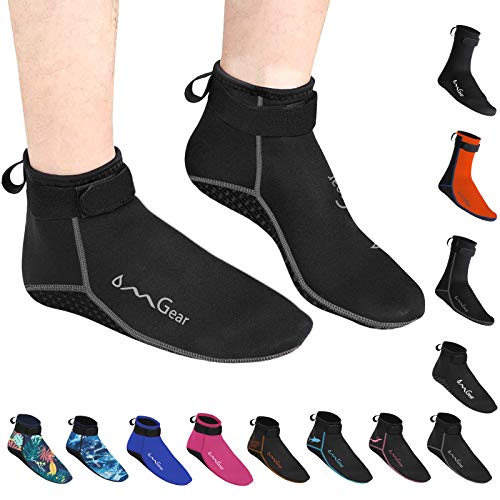
- 3mm soft neoprene for flexible foot protection
- Adjustable ankle strap helps block sand and small debris
- Reinforced rubber sole adds grip on wet surfaces
Best For: casual divers and watersports users who want a low-cut fin sock
Italian-Designed Comfort and Warmth
Cressi Orata 2.5mm Neoprene Diving Socks

- Soft 2.5mm Elastic-Span neoprene
- Built for use inside boots or fins
- Quick-drying, anti-slip design
Best For: divers or snorkelers with sensitive feet who want comfort in fins
High-Coverage Anti-Blister Pick
Ho Stevie! High Cut 2mm Fin Socks

- 2mm neoprene helps prevent blisters and irritation
- High-cut shape covers the foot above the ankle
- Honeycomb grip helps fins stay put
Best For: users who want extra coverage and comfort with swim or dive fins
Ultra-Stretch Slim Fit
Cressi Ultra Stretch 1.5mm Fin Socks

- Thin 1.5mm neoprene keeps bulk low
- Made for long dives and full foot pocket fins
- Non-slip sole and Aquastop top improve practicality
Best For: freedivers and snorkelers who want a slim fin sock for full foot pocket fins
Flexible Warmth
3mm Neoprene Socks for Water Sports

- 3mm neoprene adds warmth and insulation.
- Rubber grips help with traction on wet surfaces.
- Stretchy, lightweight build suits multiple water sports.
Best For: Divers and snorkelers needing warm, grippy sock liners
Italian Grip
Cressi Palma LT 3mm Dive Socks

- 3mm neoprene offers warmth and comfort.
- Rubber grip sole helps on wet decks and ladders.
- Works well with full foot or open heel fins.
Best For: Snorkelers and scuba divers needing fin-friendly traction
Simple Protection
Mid-Calf Neoprene Fin Boot Socks
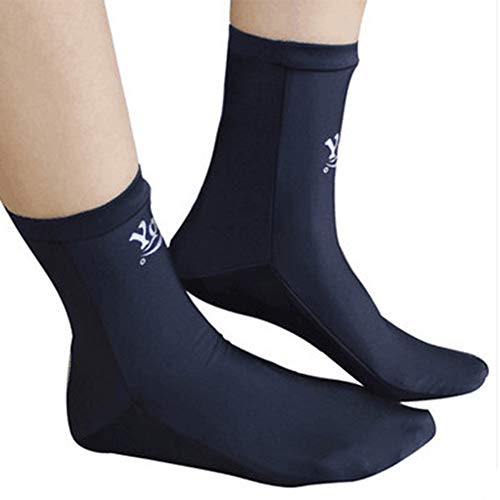
- Warm neoprene build with comfortable stretch.
- Helps reduce water entry and foot scratches.
- Mid-calf height gives extra coverage.
Best For: Divers and water-sport users wanting basic foot protection
Ultra-Light Comfort
CRESSI Elastic Water Sport Adult Socks for Snorkeling

- Quick-drying nylon/spandex blend
- Helps reduce blisters and chafing
- Lightweight fit for aquatic use
Best For: Lightweight fin socks for warm-water comfort and easy drying
Warmth and Grip
XUKER 3mm Neoprene Water Socks
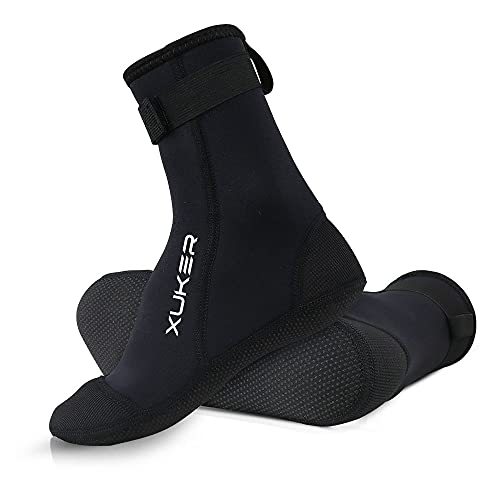
- 3mm neoprene for added warmth
- Tougher anti-slip sole for traction
- Good for beach and water sports
Best For: Cooler-water fin socks with extra protection and grip
Cold-Water Fin Fit
nitescuba 2.5mm Free Diving Socks

- 2.5mm neoprene for warmth
- Reinforced sole boosts grip
- Flatlock stitching for durability
Best For: Moderate-warmth fin socks for active diving and snorkeling
Budget-Friendly Low-Cut Protection – OMGear 3mm Low-Cut Neoprene Water Socks
If you want dive socks for fins that feel lightweight but still add protection, this 3mm low-cut neoprene pair is a practical pick. The soft neoprene, adjustable strap, and elastic heel loop are designed to make them easy to wear with fins while helping keep out sand and small debris.
Best For: Divers and watersport users who want a flexible, low-cut sock with added ankle security and basic cold-water protection.
Pros:
- 3mm neoprene offers soft, flexible protection against cuts, scratches, and cold water.
- Adjustable strap helps the welt fit snugly around the ankle.
- Rubber-printed sole is reinforced for abrasion resistance and anti-slip grip.
- Elastic heel loop makes the socks easier to pull on, remove, or hang.
Cons:
- Flatlock stitching is not the most waterproof option for colder conditions.
- Low-cut design may not feel as secure for users who want more ankle coverage.
Overall, these are a versatile, budget-conscious option if you want a bare-feet feel with some extra protection around the fins. They fit a wide range of casual water activities, but they are strongest in mild to moderate conditions.
Italian-Designed Comfort and Warmth – Cressi Orata 2.5mm Neoprene Diving Socks
For dive socks for fins that focus on comfort and warmth, this 2.5mm Cressi pair is built from soft Elastic-Span neoprene. It is meant to be worn inside boots or fins, making it a sensible option for people with sensitive feet or anyone who wants a little extra comfort in the foot pocket.
Best For: Divers, snorkelers, and swimmers who want a soft, warm sock for use inside fins or boots.
Pros:
- 2.5mm soft neoprene provides a comfortable balance of warmth and flexibility.
- Designed for use inside boots or fins for added comfort.
- Quick-drying synthetic fiber construction supports easier drying after use.
- Anti-slip neoprene helps improve footing and fin wearability.
Cons:
- Best suited to users who want a slimmer, more traditional sock fit.
- Not the thickest option for very cold water.
This is a straightforward fin sock from a long-running diving brand, and it makes sense if you value soft feel and reliable basic warmth. The fit and thickness are geared toward comfort rather than heavy insulation.
High-Coverage Anti-Blister Pick – Ho Stevie! High Cut 2mm Fin Socks
If you’re comparing dive socks for fins and want more foot coverage, this high-cut 2mm neoprene option is made to reduce blisters and irritation. It is designed for swim fins, but the notes also say it works well with swim, dive, and snorkel fins, with honeycomb grip on the bottom to help limit slipping inside the fin.
Best For: Bodyboarders, bodysurfers, and fin users who want extra coverage and blister prevention.
Pros:
- 2mm neoprene helps prevent blisters and irritation from fins.
- High-cut design covers the foot up to just above the ankle.
- Honeycomb grip on the bottom helps reduce slipping and sliding.
- Works with swim, dive, snorkel, bodyboard, and bodysurf fins.
Cons:
- Higher coverage may feel warmer than low-cut alternatives.
- Primarily designed around bodyboarding and bodysurfing use.
This is a good pick if blister protection matters more than minimal coverage. The added height and grip make it easier to stay comfortable when fins tend to rub or shift.
Ultra-Stretch Slim Fit – Cressi Ultra Stretch 1.5mm Fin Socks
These dive socks for fins are aimed at divers and snorkelers who want a thin, highly flexible layer inside full-foot pocket fins. At 1.5mm, they focus on fit and protection rather than bulk, with non-slip and anti-wear features that suit long sessions in the water.
Best For: Freedivers, scuba divers, and snorkelers using full foot pocket fins who want a slim, stretchy sock.
Pros:
- 1.5mm ultra-stretch neoprene keeps the profile slim inside fins.
- Designed for long dives in snorkeling, scuba diving, and free diving.
- Non-slip and anti-wear sole adds practical durability.
- Aquastop sealing at the top helps improve the closure area.
Cons:
- Thin construction offers less insulation than thicker socks.
- Best matched to full foot pocket fins rather than bulkier footwear setups.
This is the most streamlined option in the group, so it makes sense when you want stretch, light coverage, and fin compatibility. It is a smart match for users who prioritize precision fit over maximum warmth.
Flexible Warmth – 3mm Neoprene Socks for Water Sports
If you want dive socks for fins that add a little warmth and protection without feeling bulky, these 3mm neoprene socks are built for exactly that kind of use. They’re made for water activities where you need insulation, grip, and a close fit around the foot.
Best For: Divers, snorkelers, and beach users who want lightweight protection for cooler water and mixed terrain.
Pros:
- 3mm neoprene helps keep feet warmer in cooler water.
- Reinforced rubber grip and anti-skid bottom improve traction.
- Flexible, stretchy build is designed for comfort and abrasion resistance.
- Glued blind stitched seams help reduce water entry.
Cons:
- Not 100% waterproof.
- Better suited to water sports than heavy-duty outdoor use.
- Fit is described as snug, which may not suit everyone.
Overall, this is a practical multipurpose option if you need dive socks for fins plus protection from rocks, shells, and slippery surfaces. The quick-dry, easy-on design makes them convenient for frequent use across beach and boat activities.
Italian Grip – Cressi Palma LT 3mm Dive Socks
These dive socks for fins focus on warmth, fit, and traction for snorkeling and scuba use. With 3mm neoprene and a nonslip rubber sole, they’re meant to perform well when you’re moving between boat decks, ladders, and fin setups.
Best For: Snorkelers and scuba divers who want a trusted fin-friendly sock with a grip sole.
Pros:
- 3mm super elastic neoprene and nylon support warmth and comfort.
- Grip sole is designed for wet surfaces like decks and slippery ladders.
- Built for full foot or open heel fins.
- Glued-and-sewn seams add strength and durability.
Cons:
- Not water resistant, so they’re not meant to keep feet completely dry.
- Hand wash only care may be less convenient.
- Priced as a premium-branded option rather than a basic sock.
For buyers who prioritize fin compatibility and dependable grip, this is a straightforward and well-rounded choice. It’s especially appealing if you want a dive sock from a long-established scuba brand.
Simple Protection – Mid-Calf Neoprene Fin Boot Socks
Janedream Water Sports Swimming Dive Socks Neoprene Diving Swimming Fin Boot Socks, Black
Check Price On AmazonIf you’re shopping for dive socks for fins and want a simple, flexible layer between your feet and the water, this neoprene pair keeps the focus on comfort and protection. It’s designed to help reduce water entry while giving your feet some coverage against scratches and pricks.
Best For: Divers and casual water-sport users who want a basic, water-resistant fin sock.
Pros:
- Neoprene material is warm, elastic, and comfortable.
- Helps prevent water from entering as easily.
- Protects feet from scratches and pricks.
- Mid-calf cut adds more coverage than low-cut socks.
Cons:
- Fit is described as loose, so it may not feel as snug as some fin socks.
- Less specialized than premium dive socks with dedicated grip soles.
- Basic design may not appeal to buyers wanting a more refined construction.
This is a practical, no-frills option for people who want coverage and comfort more than advanced performance features. It should work well for divers, body surfers, and fishing use where a straightforward neoprene sock is enough.
Ultra-Light Comfort – CRESSI Elastic Water Sport Adult Socks for Snorkeling
If you want dive socks for fins that feel barely there, this Cressi pair focuses on thin, flexible comfort rather than heavy insulation. The quick-drying nylon and spandex blend is made for aquatic use, helping reduce chafing and blistering during snorkeling, scuba, pool sessions, or boat trips.
Best For: Divers and snorkelers who want a lightweight fin sock that prioritizes comfort, stretch, and easy drying.
Pros:
- Thin quick-drying fabric works well for repeated water use.
- Designed to help protect against blisters and chafing.
- Nylon and spandex construction offers a soft, flexible fit.
- Lightweight feel suits travel, pool use, and casual water sports.
Cons:
- Thin design offers less warmth than neoprene socks.
- Not aimed at heavy-duty cold-water insulation.
- Fit is size-specific, so checking the chart matters.
Overall, this is a practical choice if your main goal is comfort inside fins and quick drying between sessions. It’s a simple, streamlined option for warm-water and general aquatic use.
Warmth and Grip – XUKER 3mm Neoprene Water Socks
For dive socks for fins that add more warmth and foot protection, this XUKER neoprene pair is built around 3mm insulation and a tougher anti-slip sole. The ergonomic shape is designed to stay comfortable on the beach or in the water, while the abrasion-resistant bottom helps when you’re walking on sand or wet surfaces.
Best For: Water sports users who want warmer, more protective fin socks for cooler conditions and mixed beach use.
Pros:
- 3mm neoprene helps keep feet warm in cooler water.
- Anti-slip sole adds traction and protection underfoot.
- Ergonomic design aims to reduce wrinkles on the foot.
- Suitable for many activities, from diving to beach volleyball.
Cons:
- Not fully waterproof, so some water entry is expected.
- Hand wash only care is less convenient than machine wash options.
- Thicker build may feel bulkier inside some fins.
This is a strong pick if you need more insulation and sole protection than a thin liner-style sock can provide. It’s especially useful for cooler water sessions or mixed-use beach days.
Cold-Water Fin Fit – nitescuba 2.5mm Free Diving Socks
If you’re shopping for dive socks for fins that balance warmth, grip, and a more performance-minded build, the nitescuba 2.5mm sock is a solid option. It uses neoprene construction with a reinforced rubber-print sole and flatlock stitching to support free diving, snorkeling, surfing, and swimming.
Best For: Divers who want a fin sock with moderate warmth, secure footing, and durable stitching.
Pros:
- 2.5mm neoprene helps slow heat loss in cold water.
- Reinforced rubber-print sole improves friction on wet surfaces.
- Flatlock stitching and strong glue add durability.
- Versatile enough for free diving, snorkeling, surfing, and swimming.
Cons:
- Not as thin as a lightweight liner sock.
- Size selection matters, with many sizes to choose from.
- More performance-focused than casual all-day beach wear.
For divers who want a sturdier fin sock with real traction and moderate thermal protection, this model is well matched to active use. It’s a practical middle ground between thin comfort socks and heavier beach booties.
How We Picked These Dive Socks for Fins
We prioritized fit with common fin styles, neoprene thickness options, grip performance, seam comfort, and versatility across snorkeling, diving, surfing, and pool training. We also looked for models that balance warmth and sensitivity, since overly thick socks can improve insulation but hurt fin control.
Quick Comparison
As a general rule, thinner 1.5mm to 2.5mm socks work best when you want a snug fin pocket and maximum feel, while 3mm socks are better for cooler water, extended sessions, and users who need more cushioning. If your fins already fit tightly, choose a lower-profile sock; if you get heel rub or extra volume in the fin pocket, a slightly thicker pair may help stabilize the fit.
Key Buying Factors for Dive Socks for Fins
Thickness and Warmth
Neoprene thickness is the biggest factor. Lighter socks are easier to slip into fin pockets and usually feel less restrictive. Thicker socks add warmth and protection but can crowd the foot inside narrow fins.
Fit and Seam Comfort
A good pair should stay close to the foot without bunching. Flat seams, stretch construction, and a secure ankle opening help reduce hotspots and blisters during kick-heavy sessions.
Grip and Sole Design
If you walk on docks, boat decks, or rocky entries, look for anti-slip or textured soles. For primarily in-water use, a thinner, more flexible sole may feel better inside fins.
Water Temperature and Activity
Choose lighter, ultra-stretch socks for warm-water snorkeling or pool use, and pick thicker neoprene for colder conditions, longer dives, or surface sports where warmth matters more.
Who Should Buy Which Dive Socks for Fins?
Beginners and casual snorkelers often do best with midweight socks that add comfort without complicating fin sizing. Cold-water divers and longer-session users should lean toward 3mm options for added thermal protection. If your main problem is blistering or fin rub, prioritize a smooth, snug, low-bulk design. If you need more traction for beach approaches or mixed water use, an anti-slip sole is worth the tradeoff in a bit of extra bulk.
In short, the best choice depends on your fins, water temperature, and how much cushioning you want. Match those factors first, and you’ll get better comfort, better control, and a more secure fit from your Dive Socks for Fins.