Choosing the right wetsuit can make a big difference in body position, comfort, and confidence on race day. If you want extra lift without sacrificing swim feel, buoyant triathlon wetsuits are built to help.
Below, we’ve narrowed the field to five options that emphasize buoyancy, flexibility, and open-water performance for triathletes and swimmers.
Best 5 Buoyant Triathlon Wetsuits Picks for 2026
Best for Buoyancy & Freedom
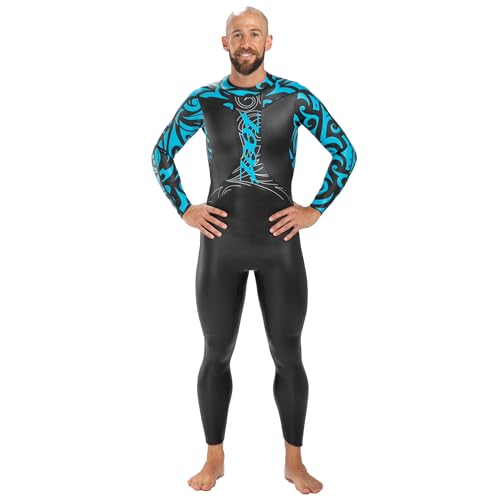
- AQUAlift panels add lift to the hips and legs
- Yamamoto #38 neoprene cuts drag and boosts glide
- Stretch chest and shoulder zones improve breathing and reach
Best For: Triathletes who want extra buoyancy without sacrificing upper-body freedom.
Best for Buoyancy & Comfort
- AQUAlift paneling boosts hip and leg position for better efficiency.
- Yamamoto #38 neoprene and SCS coating help reduce drag.
- Flexible chest, shoulder, and back design supports easier breathing.
Best For: Triathletes and open-water swimmers who want lift, mobility, and a comfortable performance fit.
Best for Comfort
Synergy Volution 3/2mm Wetsuit

- 3/2mm SmoothSkin core adds buoyancy in the chest and back
- Soft low-neck collar helps reduce chafing
- Stretchy arm panels support a freer stroke
Best For: Triathletes who want added buoyancy with a more comfortable neckline.
Best for Arm Mobility
XTERRA Volt Sleeveless Tri Wetsuit
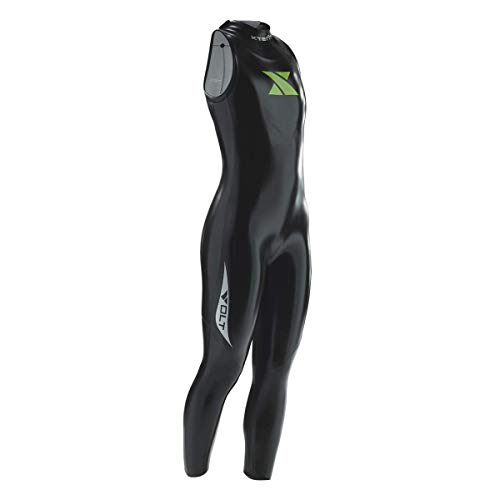
- Sleeveless cut for unrestricted shoulder movement
- 3mm neoprene adds buoyancy for open-water swims
- Comfortable pick for warmer conditions and easier strokes
Best For: Triathletes who want more mobility and a lighter-feeling swim suit.
Best for New Triathletes
Zoot Men's Maui Full Sleeve Wetsuit

- Balanced buoyancy helps new swimmers hold a better body position
- Neoskin SCS coating adds glide and durability
- Flexible arms and shoulders improve comfort and mobility
Best For: New triathletes and open-water swimmers who want confidence-building buoyancy and an easy fit.
Best for Buoyancy & Freedom – Zoot Men’s Manta Wetsuit
If you want one of the more confidence-inspiring buoyant triathlon wetsuits for race day or regular open-water training, the Zoot Men’s Manta is built to help you sit higher in the water without feeling locked up. Its buoyancy paneling, hydrophobic Yamamoto neoprene, and stretch-focused upper-body design make it a strong fit for athletes who want a fast-feeling suit that still moves naturally.
Best For: Triathletes and open-water swimmers who want extra lift, smooth glide, and a comfortable performance fit.
Pros:
- AQUAlift buoyancy panels help keep the hips and legs elevated for a more efficient body position.
- Yamamoto #38 neoprene with an SCS coating reduces drag and supports a smoother stroke.
- GLIDEflex chest panels and stretch zones improve breathing and shoulder mobility.
- Durable build with seam reinforcement, UPF 50+, and a performance-oriented fit.
Cons:
- Performance sizing runs snug, so some buyers may need to size down for the intended fit.
- Higher-end construction may be more than casual swimmers need.
Overall, the Manta stands out among buoyant triathlon wetsuits because it balances lift, flexibility, and comfort instead of overemphasizing any single trait. That makes it a smart choice if you want a suit that feels race-ready but still works well for frequent training and longer open-water sessions.
Best for Buoyancy & Comfort – Zoot Men’s Manta Wetsuit
If you want one of the more balanced buoyant triathlon wetsuits for race day or regular open-water sessions, the Zoot Men’s Manta is built to lift the hips, reduce drag, and keep the stroke feeling natural. It combines buoyancy-focused paneling with flexible shoulder and chest construction, making it a practical choice for swimmers who want speed without feeling locked in.
Best For: Triathletes and open-water swimmers who want extra lift, easy breathing, and a comfortable performance fit.
Pros:
- AQUAlift paneling helps keep hips and legs high for a more efficient swim position.
- Yamamoto #38 neoprene with hydrophobic coating supports low drag and solid durability.
- GLIDEflex chest and stretch zones improve breathing and shoulder mobility.
- Helpful fit details like DORSALflex zipper, Moontape seams, and UPF 50+ add comfort and value.
Cons:
- Performance fit may feel snug, especially if you are between sizes.
- More feature-rich than entry-level suits, so it may cost more than basic options.
Overall, the Manta is a strong fit for swimmers who prioritize buoyancy, freedom of movement, and a dependable race-day feel. Among buoyant triathlon wetsuits, it stands out as a well-rounded option for training and racing alike.
Best for Comfort – Synergy Volution 3/2mm Wetsuit
Synergy Men's Volution 3/2mm Triathlon Wetsuit - Full Sleeve Open Water (Black, L1)
Check Price On AmazonIf you want buoyant triathlon wetsuits that help you feel stable in open water without adding a stiff, restrictive feel, the Synergy Volution is worth a look. Its 3/2mm SmoothSkin neoprene focuses lift in the chest and back, while the stretchier arm panels keep your stroke freer for race-day efficiency.
Best For: Triathletes and open-water swimmers who want extra buoyancy and a low-chafe, more comfortable neckline.
Pros:
- 3/2mm core panel adds lift and warmth through the chest and back
- Soft low-neck collar helps reduce chafing and the “choked” feeling
- High-stretch arm panels support a smoother, less-fatiguing stroke
- YKK zipper and bonded seams add durability and a cleaner hydrodynamic finish
Cons:
- Not the most flexible option if you prefer an ultra-minimal suit feel
- Fit depends on using the sizing chart carefully
For athletes shopping buoyant triathlon wetsuits, the Volution stands out more for comfort and confidence than extreme performance tuning. It’s a practical choice if you want dependable float, easier breathing at the neck, and enough shoulder freedom to stay relaxed over open-water distance.
Best for Arm Mobility – XTERRA Volt Sleeveless Tri Wetsuit
If you want buoyant triathlon wetsuits that keep your upper body free, the XTERRA Volt is a practical sleeveless option for open-water training and race-day comfort. Its 3mm neoprene build is aimed at adding lift without the shoulder restriction many full-sleeve suits can create.
Best For: Triathletes who prioritize easier stroke turnover, warmer-water use, and a more flexible feel in the swim.
Pros:
- Sleeveless design improves shoulder mobility and reduces restriction.
- 3mm neoprene offers helpful buoyancy and a streamlined swim profile.
- Good fit for swimmers who prefer a lighter, less claustrophobic wetsuit feel.
Cons:
- Less thermal coverage than full-sleeve triathlon wetsuits.
- Not the best choice for very cold water conditions.
Overall, the XTERRA Volt is a sensible pick if you want buoyant triathlon wetsuits that emphasize freedom of movement over maximum coverage. It’s especially appealing for athletes who value an easier swim feel and straightforward open-water performance.
Best for New Triathletes – Zoot Men's Maui Full Sleeve Wetsuit
The Zoot Maui is built for swimmers who want a more forgiving entry point into buoyant triathlon wetsuits. Its balanced neoprene layout, easy-to-wear fit, and hydrophobic coating aim to help you stay higher in the water with less effort, whether you’re training in open water or lining up for your first race.
Best For: First-time triathletes and newer open-water swimmers who want extra float, comfort, and confidence without a highly technical race fit.
Pros:
- 5mm neoprene in the chest and upper legs helps lift hips and legs into a better swimming position
- Neoskin SCS coating reduces drag and adds durability for training and race use
- Full-sleeve design with flexible arms and shoulders keeps motion relatively unrestricted
- YKK zipper and soft liner make it easier to get on and off
Cons:
- Not the most advanced pick for experienced athletes chasing maximum speed
- Fit may feel more forgiving than performance-snug for some competitive swimmers
- Full coverage can run warmer than sleeveless alternatives in mild conditions
For athletes prioritizing support over an aggressive race feel, the Maui is a sensible choice in buoyant triathlon wetsuits. It offers enough lift and comfort to make open-water sessions less intimidating while still delivering the durability and glide needed for regular training.
How We Picked These Buoyant Triathlon Wetsuits
We focused on the features that matter most to triathletes: buoyancy distribution, shoulder mobility, suit thickness, entry and exit ease, and whether the design suits racing, training, or colder open-water sessions. We also looked for models that balance flotation with a natural swim stroke, since too much stiffness can slow you down.
Quick Comparison
Among Buoyant Triathlon Wetsuits, the main differences usually come down to sleeve coverage, neoprene thickness, and how much lift the suit adds through the hips and legs. Full-sleeve suits generally provide more coverage and warmth, while sleeveless designs can feel freer in the shoulders and work well in warmer water.
Key Buying Factors for Buoyant Triathlon Wetsuits
Buoyancy Placement
Look for suits that support the lower body and help keep your hips high in the water. Good buoyancy should improve body position without making you feel overcorrected or forced into an unnatural posture.
Flexibility and Shoulder Mobility
A wetsuit should support your stroke, not fight it. Flexible panels around the shoulders and arms are especially important if you need efficient reach and rotation over longer distances.
Thickness and Warmth
Most triathlon wetsuits use different neoprene thicknesses in different zones. Thicker material typically adds buoyancy and warmth, while thinner panels improve mobility. Choose based on water temperature and how much thermal protection you need.
Fit and Transition Speed
Fit is critical. A suit that is too loose can drag and flush water, while one that is too tight can limit breathing and shoulder movement. If you race often, also think about how quickly you can remove the suit in transition.
Who Should Buy Which Buoyant Triathlon Wetsuits?
If you want the most balanced option for racing and training, a full-sleeve buoyant triathlon wetsuit is usually the best starting point. Athletes who prioritize arm freedom or swim in warmer conditions may prefer a sleeveless design. Swimmers who want extra confidence in body position should lean toward models with stronger lower-body lift, while experienced racers may favor lighter, more flexible suits that feel closer to a second skin.
In short, the best choice depends on your water temperature, stroke efficiency, and how much flotation support you want. Pick the suit that matches your course, your comfort level, and your goals for the swim leg.