If you dive in cool to cold water, the right boot can make a huge difference in comfort, fin fit, and bottom-time enjoyment. 7mm dive boots are built to add warmth, protect your feet, and give you better grip on wet surfaces.
Below, we focus on practical buying factors that matter most for divers, snorkelers, and other water-sport users—so you can choose a pair that matches your water temperature, fins, and planned use.
Best 10 7mm Dive Boots Picks for 2026
Italian-designed cold-water pick

- 7 mm neoprene for warmth
- Hard rubber anti-slip sole
- Open-heel fin-friendly heel design
Best For: Divers needing a versatile boot for cold water and rocky entries
Heavy-duty warmth choice
Phantom Aquatics Rapido Wise 7mm Boot

- 7 mm nylon-2 neoprene insulation
- Glued and sewn seams with YKK #10 zipper
- Hard sole protects from rocks and shells
Best For: Cold-water divers who want durable protection and warmth
Lightweight 3mm alternative
Cressi Minorca Anti-Slip Boots

- 3 mm neoprene for a lighter feel
- Anti-slip sole for wet surfaces
- Heel and toe caps add durability
Best For: Warm-water users who prefer a lighter boot
Rugged shore-entry option
Phantom Aquatics Rapido Propel 6.5mm Hard Sole Boot
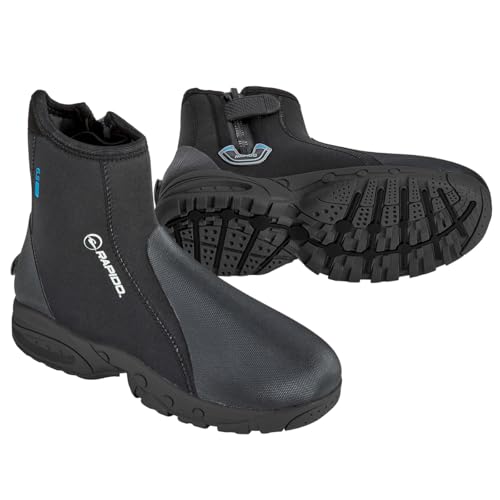
- 6.5 mm neoprene for cold water
- Molded hard sole with non-slip tread
- Reinforced toe and heel areas
Best For: Divers facing rocky entries and rough surfaces
Ergonomic Warmth Pick

- Built-in arch support and heel cup
- Reduced-volume design helps limit water exchange
- Thermoflare lining adds insulation
Best For: Divers seeking supportive, warmer 7mm boots
Warmest Cold-Water Choice
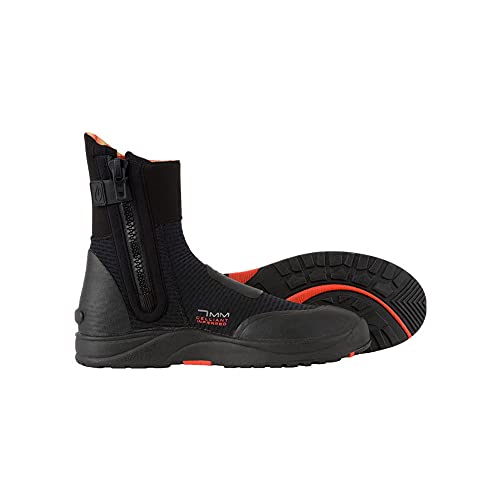
- Omnired inner fabric is warmth-focused
- 7mm Elastek neoprene with comfortable upper-calf fit
- Heavy-duty sole plus toe and heel caps
Best For: Cold-water divers wanting maximum warmth
Protective Comfort Upgrade
AQUALUNG Superzip 7mm Dive Boots

- ERGO-shaped footbed helps with support and water retention
- 8mm treaded sole with reinforced panels
- Non-corrosive YKK zipper for durable closure
Best For: Divers needing stable protection in colder conditions
Thermal 7mm Pick
Blue Reef Neoprene Boots for Cold-Water Water Sports

- 7mm Nylon-2 neoprene for warmth
- Glued and sewn seams for durability
- Zipper closure and non-slip sole
Best For: Cold-water divers and water sports users who want warmth first
Supportive 7mm Option
Aqualung Echozip Dive Boots with ERGO Footbed
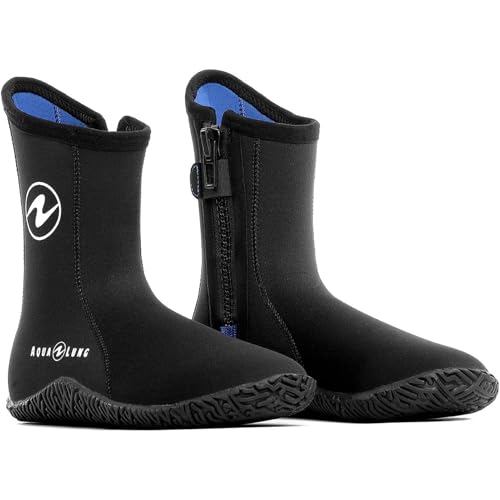
- 7mm neoprene with YKK zipper
- ERGO footbed adds support and stability
- Treaded outsole improves grip and protection
Best For: Divers who want support, traction, and a durable zippered boot
Best Value 7mm Fit
BPS Neoprene Dive Boots with Anti-Slip Hard Sole
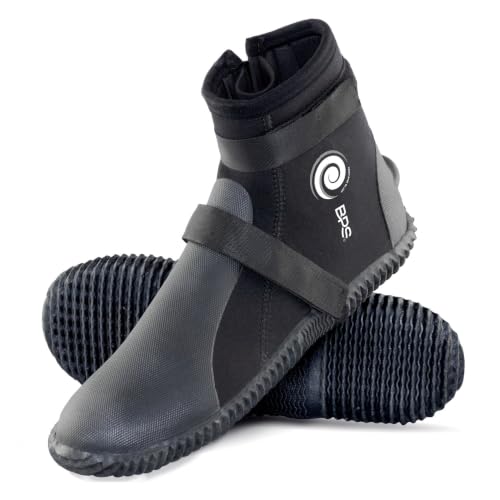
- Adjustable Velcro straps reduce water entry
- Fin-friendly heel ridge helps with fins
- Vulcanized rubber sole adds grip
Best For: Active users who want an adjustable, fin-friendly 7mm boot
Italian-designed cold-water pick – Cressi Isla 7 mm Water Boots
If you want 7mm dive boots that can handle more than just the dive boat, the Cressi Isla is built as a versatile water boot for scuba, snorkeling, surfing, sailing, boating, and even canyoning. The 7 mm neoprene helps with warmth, while the hard rubber sole adds traction and protection when you need to walk over rocks or pebbles.
Best For: Divers who want a warm, versatile boot with a sturdy sole for mixed water use and rocky entries.
Pros:
- 7 mm super-elastic neoprene for cold-water comfort
- Hard rubber, anti-slip sole for wet surfaces and rocky ground
- Heel shape is designed to work with open-heel fins and help reduce strap slip
- Suitable for scuba diving, snorkeling, boating, surfing, and canyoning
Cons:
- Heavier, more protective build than thinner booties
- May be more boot than needed for warm-water use
Overall, this is a practical all-around option if you need warmth plus walking protection in the same 7mm dive boot. The design leans toward durability and fin compatibility rather than a minimalist feel.
Heavy-duty warmth choice – Phantom Aquatics Rapido Wise 7mm Boot
The Phantom Aquatics Rapido Wise is a straightforward 7mm dive boot for colder conditions, with nylon-2 neoprene for insulation and a hard sole for protection underfoot. It also adds glued and sewn seams plus a YKK #10 heavy-duty zipper, making it a strong pick if you want a warmer boot that feels built for regular use.
Best For: Cold-water divers who want a durable, secure-fitting 7mm boot with solid underfoot protection.
Pros:
- 7 mm neoprene helps keep feet warm in cold water
- Glued and sewn seams add durability
- YKK #10 zipper supports easier on/off and reliable closure
- Hard sole helps protect against rocks, shells, and other hazards
Cons:
- Bulkier hard sole may feel less flexible than softer boots
- Primarily focused on protection, not a minimalist fit
For divers prioritizing warmth, protection, and long-term durability, this model covers the essentials well. It is especially sensible for colder water sessions where secure fit and rugged construction matter more than a lightweight feel.
Lightweight 3mm alternative – Cressi Minorca Anti-Slip Boots
Cressi Minorca Long 3 mm Crew Diving Boots, Black/Black, US Men's 7 • US Ladies' 8
Check Price On AmazonNot every dive day calls for 7mm dive boots, and the Cressi Minorca is the thinner option here for warmer conditions or lighter-footed feel. Its 3 mm neoprene build, anti-slip sole, and rubber heel and toe cap make it a practical boot for scuba, snorkeling, rafting, and similar water sports.
Best For: Divers who want a lighter, lower-profile boot for warmer water and general water sports.
Pros:
- 3 mm neoprene keeps the boot lighter and less bulky
- Anti-slip sole helps with traction in wet conditions
- Rubber heel and toe cap add durability
- Zipper closure makes it easier to put on and remove
Cons:
- Less thermal protection than 7mm dive boots
- Not the best match for very cold water
This is a good practical alternative if you do not need maximum insulation. It trades warmth for comfort and flexibility, which can make sense for mixed-use water sports and milder conditions.
Rugged shore-entry option – Phantom Aquatics Rapido Propel 6.5mm Hard Sole Boot
If your dive routine includes rocky shore entries, wet docks, or rough ground, this 6.5mm boot is built for that kind of use. The Phantom Aquatics Rapido Propel combines a molded hard sole, non-slip tread, and reinforced toe and heel areas, giving it a rugged feel that suits colder-water scuba and snorkeling sessions.
Best For: Divers who need a tough hard-sole boot for demanding entries and cold-water use.
Pros:
- 6.5 mm neoprene provides cold-water insulation
- Molded hard sole and non-slip tread improve grip and protection
- Reinforced toe and heel areas help resist wear
- YKK zipper and strap closure help secure the fit
Cons:
- Heavier build than softer booties
- Hard sole may feel bulky for some users
This boot is a strong pick when underfoot protection matters as much as warmth. It is clearly aimed at tougher conditions, so it makes sense for divers who regularly deal with rough surfaces and compatible open-heel fins.
Ergonomic Warmth Pick – Tilos TruFit 7mm Dive Boots
If you want 7mm dive boots that balance warmth, comfort, and easy fin use, the Tilos TruFit is built around that idea. Its reduced-volume fit over the instep helps keep excess water out, while the Thermoflare lining is designed to hold heat and dry moisture quickly.
Best For: Divers who want a warmer, lower-bulk boot with built-in support for both boat days and shore entries.
Pros:
- Built-in arch support and a heel cup for a more natural, comfortable fit
- Reduced volume over the instep to limit water exchange and make fin entry easier
- Thermoflare lining adds insulation and helps moisture dry faster
- Puncture-resistant sole offers extra protection on rough surfaces
Cons:
- Only one closure style is listed, so it may not suit everyone’s fit preference
- Heavier-duty protection can add structure compared with lighter booties
Overall, the TruFit is a practical choice if you want 7mm dive boots with thoughtful support features and a warmer-feeling interior. It looks especially well suited to divers who value comfort on land and a secure feel inside fins.
Warmest Cold-Water Choice – BARE Ultrawarmth 7mm Boot
For cold-water diving and snorkeling, these 7mm dive boots are built to prioritize warmth above all else. The standout feature is BARE’s Omnired inner fabric, which is designed to react to body heat and convert it into infrared energy, while the Elastek neoprene upper adds a comfortable, secure feel around the calf.
Best For: Divers who want maximum warmth and a durable boot for colder water use.
Pros:
- Omnired inner fabric is designed for high warmth retention
- 7mm Elastek neoprene with fused-cut edges for comfort around the upper calf
- Heavy-duty sole, toe cap, and heel cap help protect feet from sharp objects and fin blistering
- Zipper with wide gusset and low placement makes entry easier
Cons:
- At 2.3 pounds, they may feel substantial compared with lighter booties
- Built for warmth and protection, so they may be more boot than casual beach use requires
In short, this is a strong pick if your priority is cold-water comfort and protective build quality. The combination of warmth-focused materials and rugged sole design makes it a serious option for demanding dive conditions.
Protective Comfort Upgrade – AQUALUNG Superzip 7mm Dive Boots
These 7mm dive boots are aimed at divers who want a protective, ergonomic fit for colder conditions. Aqualung uses an ERGO-shaped footbed and outsole to follow the foot’s natural contours, plus an 8mm-thick treaded sole and reinforced panels for extra durability on rough ground.
Best For: Divers who want a stable, protective boot with a low-chafe design for extended use.
Pros:
- ERGO-shaped footbed and outsole reduce water retention and improve support
- 8mm-thick treaded sole with reinforced toe, heel, and upper panels adds protection
- Low-seam construction and elastic cuff binding help minimize chafing
- Non-corrosive YKK zipper is built for repeated saltwater exposure and easy on/off
Cons:
- Low-stretch construction may feel less forgiving than softer booties
- Heavier protection can be more than needed for warm-water use
As a cold-water boot, the Superzip stands out for its mix of comfort shaping and tough protective details. If you want 7mm dive boots that feel secure and durable over repeated dives, this one is easy to justify.
Thermal 7mm Pick – Blue Reef Neoprene Boots for Cold-Water Water Sports
If you want 7mm dive boots that prioritize warmth and straightforward protection, the Blue Reef boots are built for colder-water sessions. The 7mm Nylon-2 neoprene construction, glued and sewn seams, and zipper closure are aimed at keeping heat in while helping reduce water entry, and the non-slip sole adds useful stability on slick entries and decks.
Best For: Divers and watersports users who want warm, durable 7mm boots for colder conditions.
Pros:
- 7mm neoprene helps provide strong thermal insulation in cold water.
- Glued and sewn seams add durability for repeated use.
- Zipper closure helps create a snug fit and limit water entry.
- Non-slip sole improves traction on wet surfaces.
Cons:
- Focused more on warmth and durability than advanced fit features.
- May be more boot than needed for warmer-water use.
Overall, this is a practical choice if your priority is dependable warmth in a 7mm boot with simple, proven features. It suits a broad range of water sports, but it stands out most for colder conditions where insulation matters.
Supportive 7mm Option – Aqualung Echozip Dive Boots with ERGO Footbed
For shoppers comparing 7mm dive boots, the Aqualung Echozip is a strong all-around option with a more support-focused design. Its anatomically shaped ERGO footbed, treaded rubber outsole, and YKK zipper are aimed at comfort, traction, and long-term reliability during diving and other water sports.
Best For: Divers who want a 7mm boot with added foot support and a secure zippered entry.
Pros:
- Patented ERGO footbed and outsole are shaped to the natural profile of the foot.
- Treaded rubber outsole offers reliable traction and puncture protection.
- Few seams help reduce chafing during longer sessions.
- YKK zipper provides secure, durable entry.
Cons:
- More supportive design may feel less minimal than basic booties.
- Built for broad use, so it is not the simplest low-feature option.
In practical terms, this boot is a good fit if you want 7mm dive boots with comfort and stability built in. The support-oriented footbed and rugged outsole make it appealing for divers who spend time on wet, uneven surfaces.
Best Value 7mm Fit – BPS Neoprene Dive Boots with Anti-Slip Hard Sole
The BPS boots are a feature-packed pick for buyers who want 7mm dive boots with extra fit control. Along with stretchy neoprene and an anti-slip vulcanized rubber sole, they use adjustable Velcro straps to help reduce water entry and keep the foot from sliding around inside the boot.
Best For: Divers and water sports users who want a secure, adjustable 7mm boot with fin-friendly details.
Pros:
- Adjustable Velcro straps help limit water entry and improve lockdown.
- Fin-friendly heel ridge is designed to help keep swim fins in place.
- Hard-wearing vulcanized rubber sole provides grip and control.
- Stretchy neoprene construction aims for a snug, cozy fit.
Cons:
- More adjustment features may be more than some buyers need.
- Pull-on style with straps can take a bit more setup than a simple boot.
Overall, this is a sensible choice if fit security is your main concern in a 7mm boot. The straps, fin-friendly heel design, and grippy sole make it especially practical for active use across different water sports.
How We Picked the Best 7mm Dive Boots
We looked for boots that balance warmth, traction, comfort, and real-world versatility. The strongest options in this category typically use durable neoprene, have a secure closure or snug ankle design, and offer soles that hold up on boat decks, shore entries, and rocky terrain. We also considered whether a boot is better suited to diving fins, surf-style use, or general water sports.
Quick Comparison
Not every pair of 7mm Dive Boots serves the same purpose. Some prioritize thermal protection and a flexible fit, while others lean toward a thicker sole and more abrasion resistance. If you mostly dive from boats, a lighter, lower-profile boot may feel better with fins. If you walk over rough entries, a harder sole and stronger toe/heel protection can be more useful.
Key Buying Factors for 7mm Dive Boots
Fit and Thickness
A good fit matters more than almost anything else. Boots that are too loose can let in cold water and create friction, while overly tight boots can reduce circulation. For 7mm Dive Boots, look for enough room to wear the intended sock system without compressing the neoprene.
Sole Type and Traction
Choose a softer sole for maximum fin comfort and flexibility, or a firmer, anti-slip sole if you need better protection on rocks, docks, or boat ladders. Harder soles usually add stability, but they can feel bulkier inside some fins.
Closure and Ankle Sealing
Zippers, gussets, and elastic cuffs can help make boots easier to put on and remove while improving the seal around the ankle. Corrosion-resistant hardware is especially valuable for saltwater use.
Warmth and Internal Comfort
Seams, lining, and overall neoprene quality all affect thermal performance. If you dive in colder water regularly, prioritize boots designed to retain heat without feeling stiff or restrictive.
Intended Use
Some boots are best for scuba diving, while others are more crossover-friendly for snorkeling, rafting, windsurfing, or surf use. Match the boot’s profile to your primary activity so you get the best balance of warmth and mobility.
Who Should Buy Which 7mm Dive Boots?
Choose 7mm Dive Boots if you dive in cold water, want extra protection for shore entries, or need a warmer pairing for open-heel fins. Divers who value fin feel should lean toward a lower-profile, more flexible design. Those who handle rough terrain or frequent entry and exit from the water should favor stronger soles and more protective uppers. If you want a do-it-all option, pick a boot that sits in the middle: warm enough for cooler conditions, but not so stiff that it compromises movement.
In short, the best choice comes down to water temperature, entry conditions, and how your boots need to work with your fins. Focus on fit first, then choose the sole, closure, and warmth level that match your diving environment.