Cold water can quickly turn an otherwise enjoyable dive, surf session, or paddle into an uncomfortable experience. The right neoprene wetsuit hood helps reduce heat loss around your head and neck while improving comfort in changing conditions.
We compared 10 neoprene wetsuit hoods across thicknesses, fit features, coverage, ventilation, and intended use to help you find a practical match for your water sport and climate.
Best 10 Neoprene Wetsuit Hoods Picks for 2026
Flexible Thermal Coverage

- 3mm neoprene thermal insulation
- Flow vent helps release trapped air
- Trim-to-fit face seal
Best For: Versatile recreational water sports
Premium Cold-Water Performance

- TechnoButter 3 Firewall interior
- Adjustable cinch reduces flushing
- Wind-resistant Smoothskin exterior
Best For: Cold-water surfing and diving
Customizable Bib Protection

- High-stretch CR neoprene construction
- Trim-to-fit face seal
- Large bib overlaps the wetsuit
Best For: Divers wanting adjustable fit and neck coverage
Maximum Thickness Warmth

- Thick 5mm neoprene insulation
- Flow vent releases bubbles
- Glued and blind-stitched seams
Best For: Cold-water diving and snorkeling
Best Lightweight Protection

- Flexible 1mm neoprene-and-nylon construction
- Integrated vent releases trapped air
- UV and environmental protection for water sports
Best For: Warm-water snorkeling, surfing, and paddling
Best Cold-Water Comfort
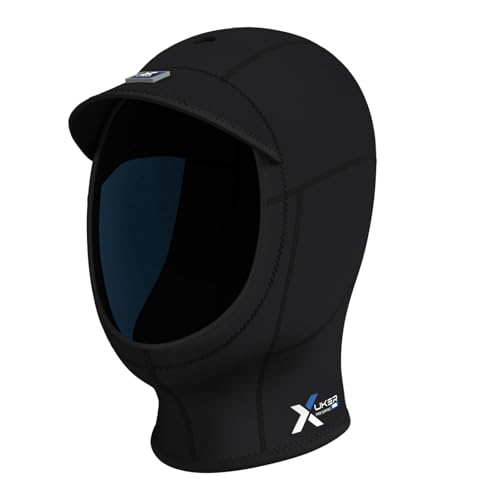
- Fleece-lined ears help reduce cold discomfort
- 3mm neoprene retains warmth
- Blind stitching supports durability and lower water absorption
Best For: Cold-water surfing, diving, swimming, and kayaking
Best Thermal Coverage

- 5/3mm neoprene supports cold-water warmth
- Three-valve system releases trapped air
- Reinforced seams improve durability
Best For: Cold-water diving, snorkeling, and surfing
Best Two-Piece Value
Jecery 2-Pack 2.5mm Neoprene Hoods

- Two hoods included
- Adjustable chin straps
- Stretchy 2.5mm construction
Best For: Adults wanting a spare or shared hood set
Best Flexible Protection
ZCCO 3mm/5mm Neoprene Diving Hood

- Flexible neoprene construction
- Designed for warmth and UV coverage
- Suitable for multiple water sports
Best For: Adults seeking a versatile close-fitting hood
Best Size Range
Skyone 3mm/5mm Thermal Bib Hood

- Sizes XS through XXL
- 3mm or 5mm neoprene options
- Glued and blind-stitched construction
Best For: Users prioritizing fit options and thermal coverage
Flexible Thermal Coverage – 3mm Flow Vent Diving Hood
Among neoprene wetsuit hoods, this 3mm model is a practical all-around option for water activities where thermal coverage, flexibility, and ventilation matter. Its glued blind-stitched construction is designed to improve comfort and reduce water entry, while the face seal can be trimmed for a more personalized fit.
Best For: Adults who need a versatile hood for scuba diving, snorkeling, surfing, kayaking, sailing, or other water sports.
Pros:
- 3mm neoprene helps provide thermal insulation in cold water.
- Flow vent helps reduce trapped air and lets bubbles escape.
- Trim-to-fit face seal can be adjusted to facial contours.
- Glued blind stitching and reinforced construction support durability.
Cons:
- Fit depends on carefully consulting the seller’s size chart.
- Face-seal trimming requires extra care and cannot be undone.
This hood balances warmth and versatility for frequent recreational use. Choose the size carefully, especially if you plan to wear it for extended sessions or under other gear.
Premium Cold-Water Performance – O’Neill Psycho 3mm Hood
This O’Neill Psycho hood is one of the more performance-focused neoprene wetsuit hoods in the group. Its 3D anatomical design, TechnoButter 3 Firewall interior, and Smoothskin exterior are built to combine warmth, flexibility, wind resistance, and a secure fit for cold-water activities.
Best For: Cold-water surfers, divers, paddleboarders, and other users seeking adjustable coverage and lightweight insulation.
Pros:
- TechnoButter 3 Firewall interior provides lightweight insulation.
- FineMesh Smoothskin exterior helps resist wind and spray.
- Adjustable cinch can reduce flushing and fine-tune security.
- Glued and blind-stitched seams help create a watertight, low-chafe fit.
Cons:
- Its performance-oriented design may be more than casual users need.
- The supplied listing identifies this model in a large size, so sizing should be verified.
With its adjustable fit, trimmable visor, and insulating interior, this is a strong choice when cold-water comfort and protection are higher priorities than simplicity.
Customizable Bib Protection – Sarhlio 3mm Dive Hood
This Sarhlio hood stands out among neoprene wetsuit hoods for its customizable face seal and extended bib. The 3mm CR neoprene construction offers thermal coverage, while the high-stretch material and flow vent are intended to support comfort and movement during extended water activities.
Best For: Divers and snorkelers who want a flexible hood with a large bib for overlap with a wetsuit and a trimmable face seal.
Pros:
- High-stretch neoprene is designed for a flexible, comfortable fit.
- DIY-trimmable face seal can be customized to facial contours.
- Large bib adds overlap with a wetsuit and helps limit neck seepage.
- Flow vent allows bubbles to escape without promoting water exchange.
Cons:
- The face seal must be trimmed carefully for a successful fit.
- Size selection depends on accurate head measurements and the supplied chart.
- The 2mm bib is thinner than the hood’s 3mm main section.
This is a practical option for users who value adjustability and extra neck coverage. Its flexible construction and bib design make it especially useful when layering with a wetsuit.
Maximum Thickness Warmth – Seaskin 5mm Diving Hood
For shoppers comparing neoprene wetsuit hoods for colder conditions, this Seaskin model offers a thicker 5mm neoprene construction. Its insulating water layer, flow vent, and glued-and-blind-stitched seams are designed for warmth and reliable coverage during diving and snorkeling.
Best For: Unisex adult divers and snorkelers prioritizing thicker thermal insulation for cold-water use.
Pros:
- 5mm neoprene provides more thickness for cold-water insulation.
- Flow vent lets bubbles escape without encouraging water exchange.
- Glued and blind-stitched seams support a secure construction.
- Designed to help protect against sea lice, jellyfish, and similar irritants.
Cons:
- Thicker 5mm material may feel less flexible than a thinner hood.
- Seaskin sizing should be checked carefully before ordering.
- The supplied listing identifies the product in a large size.
If warmth is the main concern, the 5mm thickness makes this Seaskin hood a compelling choice. It is best suited to users willing to trade some lightweight feel for added thermal coverage.
Best Lightweight Protection – 1mm Ventilated Neoprene Hood
For shoppers comparing neoprene wetsuit hoods for warm-water activities, this 1mm model emphasizes flexibility, sun protection, and easy air release. Its neoprene-and-nylon construction, glued and sewn seams, and integrated vent suit snorkeling, surfing, and other recreational water sports.
Best For: Warm-water snorkeling, surfing, kayaking, sailing, and general surface-water use.
Pros:
- Lightweight 1mm neoprene and nylon construction offers a soft, flexible fit.
- Integrated top vent lets trapped air escape without encouraging water exchange.
- Provides UV coverage and protection from sea lice, jellyfish, coral, and similar hazards.
- Glued and blind-stitched seams are designed for strength and durability.
Cons:
- The 1mm thickness is less suited to especially cold water than thicker hoods.
- Only two sizes are offered, so fit selection may be limited.
This is a practical choice when you want a relatively light neoprene hood with ventilation and broad sun and environmental protection, rather than maximum cold-water insulation.
Best Cold-Water Comfort – XUKER Fleece-Lined 3mm Hood
Among neoprene wetsuit hoods, the XUKER model stands out for cold-water comfort and wind coverage. This version is listed at 3mm and uses a flexible neoprene shell with fleece lining around the ears to help reduce cold-water discomfort during surfing, diving, swimming, or kayaking.
Best For: Adults who want added ear warmth and wind protection for cold-water water sports.
Pros:
- Fleece lining around the ears helps insulate against cold-water discomfort.
- 3mm neoprene helps retain warmth during extended water sessions.
- Flexible material is designed for a snug, comfortable fit.
- Blind-stitched construction supports durability while minimizing water absorption.
Cons:
- The supplied details identify a 3mm version, so it may provide less insulation than the 5mm option.
- The close-fitting design may require careful sizing for comfortable wear.
Choose this hood if ear coverage and warmth are priorities. Its fleece ear lining and 3mm thickness make it more cold-oriented than a lightweight 1mm cap, while retaining flexibility for several water sports.
Best Thermal Coverage – 5/3mm Vent-System Dive Hood
For divers seeking neoprene wetsuit hoods with substantial thermal coverage, this hood combines 5/3mm neoprene with a three-valve vent system. Its stretchy construction, 3D design, and reinforced glued-and-blind-stitched seams are intended to support warmth, movement, and repeated use.
Best For: Cold-water scuba diving, snorkeling, surfing, and other activities where insulation and head coverage matter.
Pros:
- 5/3mm neoprene helps retain body heat in cold water.
- Three small valves release trapped air through the top panels.
- Stretchy neoprene and nylon provide flexibility for putting on and removing the hood.
- Round tape reinforcement at the joints helps reduce tearing during use.
Cons:
- Thicker construction may feel warmer and less lightweight than a 1mm hood.
- The supplied listing identifies an XL model, so sizing should be checked carefully.
This is the strongest thermal pick in the group for colder conditions. The vent system addresses trapped air while the thicker neoprene and reinforced seams target demanding underwater and surface-water use.
Best Two-Piece Value – Jecery 2-Pack 2.5mm Neoprene Hoods
If you want a backup or a matching spare, these neoprene wetsuit hoods provide a practical two-piece setup for recreational water activities. The 2.5mm neoprene-and-nylon construction is stretchy and designed to add warmth, while the chin straps help keep each hood stable.
Best For: Adults who want two adjustable hoods for snorkeling, kayaking, swimming, or other moderate water activities.
Pros:
- Two hoods included for added value or sharing.
- 2.5mm fabric balances coverage with a flexible fit.
- Adjustable chin straps help keep the hood in place.
- Flat-lock stitching is designed for comfort and reduced drag.
Cons:
- Not fully waterproof, so it should be paired with other diving gear.
- Only one listed adult size may limit fit options.
Choose this set when quantity and adjustability matter more than maximum insulation. It is a useful option for casual users who want versatile head coverage across several water sports.
Best Flexible Protection – ZCCO 3mm/5mm Neoprene Diving Hood
This ZCCO hood is a straightforward choice for shoppers comparing neoprene wetsuit hoods with a flexible, close-fitting design. Its neoprene construction is intended to provide warmth, UV coverage, and reduced water resistance for activities such as diving, snorkeling, and kayaking.
Best For: Adult water-sports users seeking a flexible hood for diving, snorkeling, surfing, or kayaking.
Pros:
- High-grade neoprene is described as flexible and comfortable.
- High elasticity and recovery support repeated use.
- Close-fitting design can help reduce water resistance.
- Suitable for several aquatic activities.
Cons:
- It is not completely waterproof and must be used with a diving suit.
- The supplied listing information shows a small size, so fit should be checked carefully.
- Thickness and color information varies between the title and product details.
This model makes sense if you prioritize stretch and broad water-sports versatility. Confirm the available thickness and sizing before ordering, especially if you need a precise fit or heavier insulation.
Best Size Range – Skyone 3mm/5mm Thermal Bib Hood
For shoppers who need more sizing flexibility, this Skyone model is one of the more adaptable neoprene wetsuit hoods in the group. It uses 3mm or 5mm neoprene, flat seams, and a pull-on design intended to provide thermal coverage without restricting movement.
Best For: Men, women, and youth who need multiple size options for scuba diving, snorkeling, surfing, kayaking, or similar activities.
Pros:
- Available in sizes XS through XXL according to the supplied notes.
- 3mm or 5mm neoprene options provide flexibility in coverage.
- Glued and blind-stitched construction is designed for durability.
- Flat seams support easier on-and-off use and comfort.
Cons:
- Not completely waterproof and should be paired with a wetsuit.
- Choosing the correct size requires measuring head circumference.
- The listed product configuration is a single hood.
This is the strongest fit-focused option for households or users who want a broader size range. Its construction and thickness choices also make it appealing when you need a more substantial thermal hood for varied water activities.
How We Picked These Neoprene Wetsuit Hoods
We focused on the features that matter most in real use: neoprene thickness, stretch, face and neck coverage, bib design, ventilation, closure systems, and versatility across water sports. The selection includes 3mm options for moderate conditions, 5mm hoods for colder water, and flexible designs that can work for diving, surfing, snorkeling, kayaking, or sailing.
We also considered whether each hood appears suited to men, women, or youth users, how easily it can be adjusted, and whether details such as flow vents, chin straps, or trim-to-fit construction may improve comfort.
Quick Comparison
| Best For | Recommended Features | Typical Thickness |
|---|---|---|
| Moderate water temperatures | Flexible fit, low bulk, face seal | 2.5mm–3mm |
| Cold-water diving | More insulation, bib neck, secure seal | 5mm |
| Surfing and paddling | Stretchy neoprene, comfortable opening | 3mm–5mm |
| Shared or occasional use | Adjustable straps or broad sizing | 2.5mm–3mm |
Key Buying Factors for Neoprene Wetsuit Hoods
Thickness and Insulation
Thickness is the clearest indicator of warmth, but thicker is not always better. A 3mm hood generally offers a useful balance of insulation and flexibility, while a 5mm model is better suited to colder water. Match the hood to your wetsuit and local conditions rather than choosing solely by maximum thickness.
Fit and Face Seal
A snug fit limits flushing, but the hood should not create painful pressure around your forehead, jaw, or neck. Look for high-stretch neoprene and check the manufacturer’s measurements. Bib-style designs can tuck beneath a wetsuit collar for added coverage.
Ventilation and Water Management
Flow vents may help release trapped air during diving and reduce ballooning. They should not be treated as a substitute for a proper fit. A face opening that stays stable during movement is especially important for surfing, swimming, and snorkeling.
Construction and Convenience
Inspect seams, edge binding, chin straps, and adjustment features. A trim-to-fit hood can provide a more personalized opening, but trimming is permanent, so follow the instructions carefully. Consider visibility, donning difficulty, and compatibility with masks or goggles.
Who Should Buy Which Neoprene Wetsuit Hoods?
Choose a 3mm hood if you need versatile protection for snorkeling, kayaking, sailing, or moderate-temperature diving. Choose a 5mm hood for colder water and longer sessions where insulation matters more than minimal bulk. Choose a highly adjustable or trim-to-fit design if achieving a comfortable face seal is difficult with standard openings. Choose a lightweight beanie-style option for surface sports or occasional use when full dive coverage is unnecessary.
Before ordering, confirm the size chart, thickness, return policy, and whether the hood is designed to fit over or beneath your wetsuit collar. The best option is the one that seals comfortably, stays secure during movement, and matches the water temperature you actually encounter.