Choosing neoprene drysuits can be tricky because the best option depends on your water temperature, activity, and how much mobility you need. Some designs prioritize warmth and insulation, while others focus on waterproofing, breathability, and all-day comfort.
This roundup highlights 10 strong picks for cold-water paddling, sailing, diving, fishing, and general watersports, helping you narrow down the right suit faster.
Best 10 Neoprene Drysuits Picks for 2026
Cold-Water Diving Pick
SEAC Warmdry 4mm Neoprene Dry Suit

- 4mm neoprene for added warmth
- Semi-rigid boots flip inside-out for faster drying
- Includes hood, hose, straps, and storage bag
Best For: Adult divers who want a warmer neoprene drysuit with storage and included accessories.
Offshore Sailing Pick

- 3-layer waterproof breathable fabric
- PFAS-free water repellent and windproof
- Reinforced knees, seat, and taped seams
Best For: Sailors and watersports users needing a waterproof, breathable drysuit.
Heavy-Insulation Pick
Hollis NeoTek V2 Hooded Semi-Dry Suit
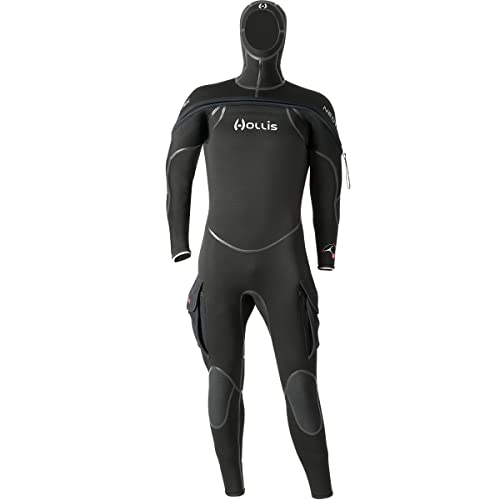
- 8/7/6 mm neoprene blend for warmth
- ThermaSkin liner and internal dams
- Eco-friendly recycled neoprene waste process
Best For: Adult scuba divers wanting a thick, hooded semi-dry suit for cold water.
Budget Dive Option
O'Neill Fluid 3mm Neoprene Drysuit

- 3mm Fluid Flex foam neoprene
- 100% waterproof fluid seam weld
- Loose upper fit with performance lower fit
Best For: Adult boaters wanting a lighter neoprene drysuit with waterproof sealing.
Lightweight Cold-Water Drysuit
Mens Lightweight Drysuit for Paddling & Boating

- 3-layer waterproof breathable nylon shell
- Trimmable latex seals with adjustable waist fit
- Front-entry zipper with integrated socks
Best For: Paddlers and boaters wanting a lightweight, adjustable cold-water suit
Neoprene Performance Drysuit
O'Neill Fluid 3mm Neoprene Drysuit
- 3mm Fluid Flex foam neoprene construction
- 100% waterproof with smooth skin dry seals
- Loose upper fit with performance lower fit
Best For: Boaters wanting a neoprene drysuit with a performance fit
Reinforced Cold-Water Dry Suit
Front Zip Dry Suit with Neoprene Details

- Three-layer waterproof breathable fabric
- Neoprene collar/cuffs with latex gaskets
- Reinforced knees and seat for durability
Best For: Cold-water paddlers and sailors needing a reinforced, secure fit
Cold-Water Flex Pick
Hevto 4/3mm Back-Zip Full Wetsuit

- 4/3mm neoprene SCR for warmth and flexibility
- Sealed, glued, blind-stitched seams help reduce water entry
- Back zipper, reinforced knees, and buoyancy support
Best For: Cold-water water sports with easy entry and good mobility
Stretch Seal Pick
Lemorecn 4/3mm Chest Zip Wetsuit

- SuperStretch neoprene for flexible movement
- Chest zip helps reduce back flushing
- GBS seams are glued, blindstitched, and taped
Best For: Cold-water surfers wanting flexible chest-zip comfort
Maximum Coverage Pick

- 5mm neoprene body with 4mm cuffs for warmth
- Front YKK zipper and snug seals help reduce water entry
- UPF50+ protection and scratch resistance
Best For: Cold-water users needing thicker coverage and easy entry
Cold-Water Diving Pick – SEAC Warmdry 4mm Neoprene Dry Suit
SEAC Men's Warmdry 4mm Neoprene Dry Suit, Black, 4X-Large (Model: 0060001009160A)
Check Price On AmazonIf you want neoprene drysuits with more of a true dive-suit feel, the SEAC Men’s Warmdry 4mm is built around warmth and practical gear storage. The 4mm neoprene construction, taped glide-skin collar, and smooth aquastop wrist closures are aimed at helping keep water out while still giving you the features divers expect.
Best For: Adult divers who want a warmer neoprene drysuit with integrated boots and included accessories.
Pros:
- 4mm neoprene build for added thermal protection
- Semi-rigid boots turn inside-out for faster drying
- Bellowed 1000-denier Cordura pockets provide usable storage
- Includes fabric storage bag, hood, hose, and straps
Cons:
- Heavier than lighter shell-style drysuits at 5.9 pounds
- Listed in a single XXXXL size map entry in the supplied details
- May be more suit than casual users need
This is a feature-forward option for divers who value warmth, storage, and included extras. The SEAC Warmdry leans toward serious cold-water use rather than minimal bulk.
Offshore Sailing Pick – Mens Pro Waterproof Drysuit
For buyers comparing neoprene drysuits with a shell-style option, this Men’s Pro Drysuit is built for wet decks, spray, and changing conditions. It uses XPLORE+ 3-layer waterproof breathable fabric with PFAS-free water repellent protection, plus taped seams and a waterproof front zipper to help keep water out.
Best For: Sailors and watersports users who need a waterproof, breathable drysuit for demanding conditions.
Pros:
- XPLORE+ 3-layer waterproof breathable construction
- PFAS-free water repellent and windproof protection
- Fully taped seams with YKK Aquaseal waterproof front zipper
- Reinforced knees and seat for durability
Cons:
- It is not a neoprene suit, despite fitting the drysuit category
- Designed for performance sailing, so it may be more technical than needed for simple use
- Requires trimming the pre-marked neck and cuff seals for custom fit
This is a strong pick if your priority is staying dry in offshore or inshore sailing rather than extra neoprene insulation. The combination of breathability, reinforcement, and secure sealing makes it practical for long sessions on the water.
Heavy-Insulation Pick – Hollis NeoTek V2 Hooded Semi-Dry Suit
If you are shopping neoprene drysuits for scuba diving and want maximum insulation, the Hollis NeoTek V2 uses an 8/7/6 mm neoprene blend for a thicker, warmer build. It also adds an internal ThermaSkin liner, internal dams at key entry points, and a horizontal front zipper with bib for a more sealed-up fit.
Best For: Adult scuba divers who want a thick, hooded semi-dry suit with strong thermal protection.
Pros:
- 8/7/6 mm neoprene mix for heavy insulation
- Eco-friendly production approach with recycled neoprene waste
- ThermaSkin inner liner for added comfort
- Internal dams at the neck, wrist, and ankle help limit flushing
Cons:
- Listed as a semi-dry suit rather than a fully dry neoprene drysuit
- 8 mm thickness may feel bulky for some divers
- Hooded full-body design is more specialized than a basic suit
This model is best viewed as a high-insulation scuba choice for colder water. If warmth matters more than a lighter feel, the NeoTek V2 has the layered neoprene and sealing features to justify a closer look.
Budget Dive Option – O'Neill Fluid 3mm Neoprene Drysuit
The O’Neill Men’s Fluid is a practical entry in neoprene drysuits if you want a simpler 3mm option for boating and water sports. Its loose upper fit, performance lower fit, smooth skin dry seals, and 100% waterproof fluid seam weld are all aimed at keeping the suit comfortable while still blocking water.
Best For: Adult boaters who want a lightweight 3mm neoprene drysuit with a waterproof seal system.
Pros:
- 3mm Fluid Flex foam neoprene construction
- 100% waterproof fluid seam weld
- Smooth skin dry seals help reduce water entry
- Loose upper fit with performance lower fit for comfort
Cons:
- 3mm thickness is lighter than thicker cold-water suits
- Size details in the supplied notes are limited to L and chest size 43.5 inches
- Less feature-heavy than some premium drysuits
This suit makes sense if you want a streamlined neoprene drysuit approach without moving to a bulkier build. It focuses on waterproof sealing and a comfortable fit rather than maximum insulation or cargo capacity.
Lightweight Cold-Water Drysuit – Mens Lightweight Drysuit for Paddling & Boating
If you’re comparing neoprene drysuits for paddling, fishing, or boating in cold water, this lightweight men’s suit is built around keeping water out without adding much bulk. It uses a 3-layer waterproof breathable nylon shell with a menbrance finish, plus latex wrist and neck seals, a front-entry waterproof zipper, and integrated socks for full-body coverage.
Best For: Paddlers and boaters who want a lightweight, adjustable drysuit with practical storage and cold-water protection.
Pros:
- 3-layer waterproof breathable shell for durability and abrasion resistance
- Trimmable latex neck and wrist seals plus adjustable waist webbing for fit
- Front-entry waterproof zipper makes entry and relief access easier
- Integrated three-ply socks help keep feet dry in cold water
Cons:
- Only low-stretch fabric, so fit and mobility may feel more structured
- Lightweight build may not appeal to users wanting a heavier-duty suit feel
This is a practical option if you want a drysuit that focuses on seal quality, easy entry, and useful storage pockets. The included glove-friendly adjustments and chest pocket add convenience, while the overall design stays aimed at everyday cold-water use.
Neoprene Performance Drysuit – O'Neill Fluid 3mm Neoprene Drysuit
For buyers specifically looking at neoprene drysuits, this O’Neill Fluid model leans into a performance fit with 3mm Fluid Flex foam neoprene and 100% waterproof construction. It combines a looser upper fit with a performance lower fit, smooth skin dry seals, and fluid seam weld body construction for boating use.
Best For: Boaters who want a 3mm neoprene drysuit with a performance-oriented fit and sealed construction.
Pros:
- 3mm Fluid Flex foam neoprene construction
- 100% waterproof with smooth skin dry seals
- Loose upper fit and performance lower fit for mobility
- Fluid seam weld body construction adds to waterproofing
Cons:
- Designed for boating, so it may be less versatile for other water sports
- 3mm thickness may feel warmer and less flexible than thinner options
This suit stands out if you want neoprene-backed waterproof protection rather than a lighter fabric shell. The fit profile and welded seams make it a straightforward choice for users prioritizing performance in the water over extra features.
Reinforced Cold-Water Dry Suit – Front Zip Dry Suit with Neoprene Details
This front-zip men’s dry suit is a solid option if you need neoprene drysuits or neoprene-enhanced dry protection for sailing, kayaking, paddling, or rafting. It uses a three-layer breathable fabric, latex gaskets, neoprene collar and cuffs, integrated waterproof socks, and reinforced knees and seat for added toughness in cold-water use.
Best For: Cold-water paddlers and sailors who want a reinforced dry suit with a secure, athletic fit.
Pros:
- Three-layer waterproof and breathable fabric with cold-water insulation
- Latex neck and wrist gaskets plus neoprene collar and cuffs
- Reinforced knees and seat for better abrasion resistance
- Front zipper, adjustable waist, and overskirt for easier entry and fit
Cons:
- Hand wash only, which adds maintenance compared with machine-wash options
- Heavyweight fabric may feel more substantial than minimalist suits
Compared with simpler dry suits, this model puts more emphasis on durability and water protection in high-wear areas. It’s a practical pick if you expect rougher conditions and want extra sealing details around the neck, wrists, and lower body.
Cold-Water Flex Pick – Hevto 4/3mm Back-Zip Full Wetsuit
If you’re comparing neoprene drysuits-style cold-water protection for surfing, diving, or swimming, the Hevto men’s full wetsuit is built around warmth and mobility. Its 4/3mm neoprene SCR construction, super-stretch nylon, and sealed, glued, blind-stitched seams are meant to reduce water entry while still letting you move comfortably.
Best For: Cold-water athletes who want a flexible full wetsuit for mixed water sports.
Pros:
- 4/3mm neoprene SCR construction for warmth with stretch
- Sealed, glued, and blind-stitched seams to help minimize water entry
- Back zipper with puller and flap for easier on/off and added coverage
- Reinforced knees and buoyancy support for active use
Cons:
- Back-zip design may not appeal to buyers who prefer chest-zip entry
- Not a true drysuit, so some water exchange is still expected
Overall, this is a practical all-around wetsuit for buyers who want warmth, stretch, and straightforward convenience in cold water. It leans more toward versatile water sports use than specialist drysuit performance.
Stretch Seal Pick – Lemorecn 4/3mm Chest Zip Wetsuit
Lemorecn Men’s Surfing Wetsuit Super Stretch Neoprene 4/3mm Chest Zip Full Wetsuit for Men(MC0401-M)
Check Price On AmazonFor shoppers looking at neoprene drysuits alternatives, the Lemorecn men’s 4/3mm wetsuit focuses on staying warm without sacrificing movement. The SuperStretch neoprene, chest-zip entry, and GBS seams are designed to help limit flushing while giving you a more flexible fit in cold water.
Best For: Surfers who want a warm, flexible chest-zip wetsuit for cold sessions.
Pros:
- 4/3mm thickness rated for cold water down to 51°F
- SuperStretch neoprene supports a wide range of motion
- Chest zip can feel more flexible than a back zip and helps reduce back flushing
- GBS seams are glued and blindstitched, with taping for added waterproofing
Cons:
- Requires hand washing and air drying to maintain it properly
- Brand notes an odor may be present when new
As a cold-water full wetsuit, it emphasizes comfort, seal quality, and durability rather than dryness alone. That makes it a strong choice for regular surf sessions where flexibility matters as much as warmth.
Maximum Coverage Pick – Owntop 5mm Full Neoprene Suit
If you’re shopping neoprene drysuits alternatives for colder conditions, the Owntop 5mm full wetsuit puts warmth and coverage first. Its 5mm neoprene body, 4mm CR neoprene cuffs, front YKK zipper, and snug wrist-and-ankle fit are aimed at keeping water out while supporting cold-water sports.
Best For: Cold-water divers and surfers who want a thicker full suit with sun and abrasion protection.
Pros:
- 5mm neoprene body with 4mm CR neoprene cuffs for added warmth
- Front YKK zipper makes it easier to put on and take off
- Snug wrist and ankle design helps limit water infiltration
- UPF50+ protection plus coverage against jellyfish and coral scratches
Cons:
- Thicker build may feel less agile than lighter suits
- Size selection requires careful measuring of chest, waist, and hips
This is a strong pick for buyers who prioritize thermal protection and broad water-sport versatility. It’s not a drysuit, but it does offer a more protective, thicker-wetsuit approach for colder outings.
How We Picked These Neoprene Drysuits
We focused on practical buyer priorities: thermal protection, seam and closure design, range of motion, durability, and suitability for real-world water activities. We also considered whether a suit leans more toward full drysuit performance, semi-dry warmth, or wetsuit-style insulation so you can match the product to your use case.
Quick Comparison: What Matters Most
Not all Neoprene Drysuits are built the same. Thicker neoprene usually means more warmth but less flexibility, while thinner or super-stretch constructions improve mobility at the cost of some insulation. Hooded designs and reinforced knees or seat panels can be especially useful for colder conditions and high-wear activities. If breathability matters, look closely at shell-style or hybrid waterproof options.
Key Buying Factors for Neoprene Drysuits
Fit and Layering
A proper fit is essential. A suit that is too loose can let in cold water and reduce thermal efficiency, while one that is too tight can restrict breathing and paddling strokes. Check whether the brand recommends base layers or a size-up approach for colder water use.
Neoprene Thickness and Warmth
Thickness affects comfort and temperature range. Thicker neoprene generally suits colder environments, while 3mm to 4mm options often appeal to active users who want a balance of warmth and flexibility. For very cold water, look for added insulation features rather than thickness alone.
Seams, Zips, and Waterproofing
Look for sealed seams, durable zippers, and closures that limit flushing. Front-zip entry can make donning easier and improve comfort for some users. If you need maximum dryness, pay attention to whether the product is truly a drysuit, a semi-dry suit, or a wetsuit-style alternative.
Reinforcement and Durability
Paddling, kneeling, and boarding can wear out high-contact areas quickly. Reinforced knees, seat panels, and abrasion-resistant finishes help extend service life, especially if you use your suit regularly for boating or touring.
Who Should Buy Which Neoprene Drysuits?
If you want the warmest, most protective option for cold-water sessions, prioritize thicker builds, hooded coverage, and strong sealing features. If mobility is your main concern, choose lighter or super-stretch Neoprene Drysuits designed for active movement. For mixed-use buyers, a balanced 3mm to 4mm suit is often the safest starting point. If you need the most waterproof performance for sailing or paddling, a true drysuit-style construction is usually the better fit than a standard wetsuit.
In short, choose based on your water temperature, activity level, and how much dryness versus flexibility you actually need. That will narrow the field quickly and help you buy once with confidence.