Choosing the right dive socks can make the difference between a painful fin session and a comfortable day in the water. The best anti blister dive socks help reduce rubbing, improve fin fit, and add a bit of warmth and traction.
Below, we compare 10 strong options for snorkeling, scuba diving, freediving, and other water sports so you can find the right balance of thickness, grip, and comfort.
Best 10 Anti Blister Dive Socks Picks for 2026
Sealed-Comfort Choice
OMGear 3mm Low Cut Water Socks
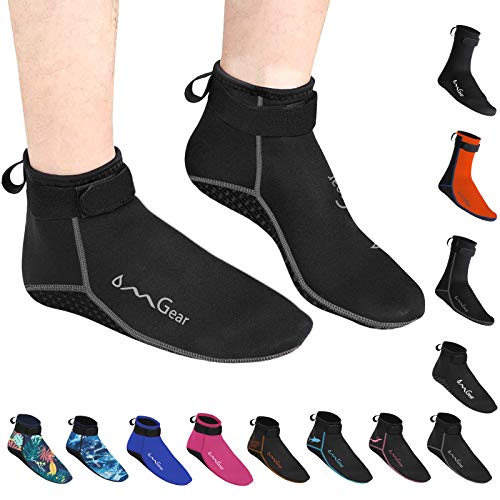
- 3mm neoprene adds cushioning and foot protection
- Adjustable strap helps limit sand intrusion
- Reinforced sole adds grip on wet, rough surfaces
Best For: Divers who want a secure, protective fin sock for mixed water use
Anti-Chafe Classic
H2ODYSSEY 2mm Snorkeling Fin Sock

- Soft barrier helps prevent rubbing and hot spots
- 2mm neoprene adds light warmth with minimal bulk
- Low-cut, flatlock design stays flexible and easy to wear
Best For: Snorkelers and divers wanting a thin, comfortable anti-rub fin sock
Stretch-Grip Pick
OMGear Quick-Dry Sand Proof Booties

- High-stretch nylon-spandex build feels breathable and flexible
- Neoprene heel pad and anti-slip sole improve comfort and traction
- Elastic band coverage helps keep sand out
Best For: Beach and water-sport users who want a stretchy, multi-use fin sock
Thermal Hold Favorite
nitescuba 2.5mm Free Diving Socks

- 2.7mm neoprene helps retain warmth in colder water
- Rubber-print sole improves grip on wet surfaces
- Flatlock stitching adds durability for repeated use
Best For: Free divers wanting warmer anti-blister socks with stronger traction
Seal Shield Pick
3mm Neoprene Sand Socks for Warmth and Grip

- 3mm neoprene adds warmth in cooler water
- Rubber-grip sole improves traction on slick ground
- Glued seams help reduce water and sand entry
Best For: Divers and beach users who want warmth and sole protection
Blister-Lite Choice
Elastic Water Sport Socks for Snorkeling

- Thin nylon-spandex fabric helps reduce chafing
- Quick-drying and comfortable for aquatic use
- Slim profile works well with fins and light gear
Best For: Snorkelers and swimmers wanting low-bulk blister protection
Grip Guard Pick
3mm Anti-Slip Neoprene Dive Socks

- 3mm neoprene adds warmth and light scrape protection
- Dotted silicone sole improves traction on slippery ground
- Snug stretch fit supports active water sports
Best For: Divers and water-sport users needing grip and warmth
Warmth & Grip Pick
3mm Neoprene Water Socks for Beach & Diving
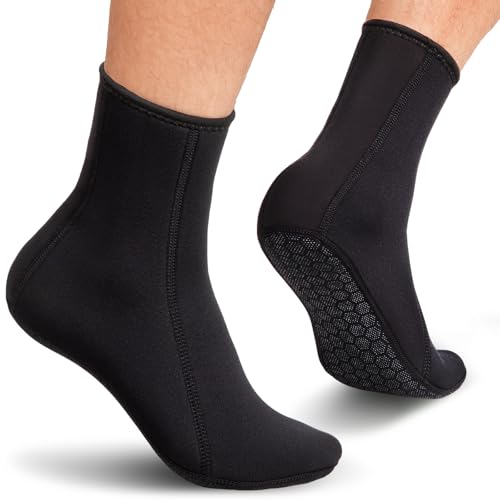
- 3 mm neoprene for cooler-water insulation
- Non-slip sole for added traction and support
- Glued and blind stitched seams for durability
Best For: Cooler-water divers and beach players needing warmth and grip
Simple Protection Pick
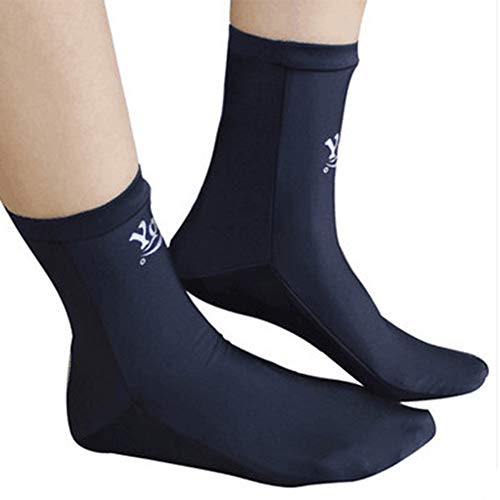
- Neoprene build for warmth and comfort
- Helps protect feet from scratches and pricks
- Mid-calf coverage with adjustable wear
Best For: Water users who want basic protection with a comfortable fit
Beach Activity Pick

- 3 mm neoprene for insulation and comfort
- Anti-slip, abrasion-resistant bottom
- Made for beach, diving, and water sports
Best For: Beachgoers who want sand protection and all-around water use
Sealed-Comfort Choice – OMGear 3mm Low Cut Water Socks
If you want anti blister dive socks with a little more structure, this OMGear 3mm pair is built to add a soft barrier between your feet and your fins. The neoprene construction, adjustable ankle strap, and reinforced anti-slip sole make it a practical pick for beach entries, diving, and other water sports where rubbing, sand, and slippery surfaces are common.
Best For: Divers and beachgoers who want extra foot protection, a secure fit, and a sturdier feel in and out of the water.
Pros:
- 3mm neoprene helps cushion feet and protect against cuts, punctures, scratches, and cold water.
- Adjustable strap and heel loop help keep sand out and make them easier to pull on and off.
- Reinforced rubber-print sole is designed for abrasion resistance and anti-slip traction.
- Flatlock stitching supports durability and flexibility for regular use.
Cons:
- Flatlock stitching is better suited to spring through autumn than the coldest conditions.
- The low-cut design may offer less coverage than taller booties.
Overall, this is a solid choice if you want anti blister dive socks that balance comfort, grip, and everyday versatility without feeling overly bulky inside fins.
Anti-Chafe Classic – H2ODYSSEY 2mm Snorkeling Fin Sock
For swimmers and divers looking for straightforward anti blister dive socks, this H2ODYSSEY fin sock focuses on comfort inside the fin. The 2mm neoprene build creates a soft barrier against rubbing and hot spots, while the low-cut shape keeps movement easy and gear changes simple.
Best For: Snorkelers and divers who want a lightweight fin sock that reduces chafing without adding much bulk.
Pros:
- Comfortable anti-blister fit helps prevent rubbing, hot spots, and chafing.
- 2mm neoprene offers light warmth without taking up much space in fins.
- Flatlock-stitched seams are made for repeated saltwater and chlorine exposure.
- Low-cut design allows easy slip-on/off use and good ankle mobility.
Cons:
- 2mm insulation is lighter than thicker socks for colder water.
- Low-profile build may not offer as much protection as more rugged booties.
This is a practical, no-nonsense option if your priority is reducing fin friction while keeping the sock thin, flexible, and easy to wear.
Stretch-Grip Pick – OMGear Quick-Dry Sand Proof Booties
If you want anti blister dive socks that lean more toward stretch and breathability, this OMGear water sock is a versatile low-cut option. The nylon-spandex blend is described as highly elastic and durable, while the neoprene heel pad, elastic band coverage, and anti-slip sole add comfort and stability for water and beach use.
Best For: Active users who want a stretchy, breathable water sock for diving, beach sports, and casual all-day wear.
Pros:
- 83% nylon and 17% spandex construction is designed for high stretch and breathability.
- Neoprene heel pad adds comfort during movement.
- Elastic band coverage helps reduce sand entry around the ankle.
- Reinforced anti-slip sole supports use on sandy, rugged, or slippery ground.
Cons:
- It is a low-cut style, so coverage is limited compared with higher booties.
- Fit depends on the stretch fabric rather than a tighter strap system.
For buyers who want a lighter, more flexible sock that still helps cut down on friction and foot discomfort, this is a strong all-around pick.
Thermal Hold Favorite – nitescuba 2.5mm Free Diving Socks
These nitescuba anti blister dive socks are aimed at free divers who want warmth, grip, and a bit more protection in cooler water. The 2.7mm neoprene build, rubber-print sole, and flatlock stitching make them a dependable fin sock for diving sessions where comfort and traction matter.
Best For: Free divers and snorkelers who want a warmer fin sock with added sole grip and sturdy construction.
Pros:
- 2.7mm neoprene helps slow heat loss in cold water.
- Rubber-printed sole is designed to improve friction on wet, slippery surfaces.
- Flatlock stitching with glue and single-needle construction is built for durability.
- Multi-purpose design works for diving, swimming, snorkeling, and home use.
Cons:
- Mid-calf liner style may feel bulkier than low-cut fin socks.
- Only six sizes are offered, so selecting the right fit matters.
This is a good choice if your main concern is keeping feet warmer while still getting the anti-slip, anti-rub benefits that matter during dives and fin wear.
Seal Shield Pick – 3mm Neoprene Sand Socks for Warmth and Grip
If you want anti blister dive socks that also add warmth and protection, these 3mm neoprene booties are built for cooler water, rocky entries, and sandy shorelines. The snug fit, quick-dry construction, and rubber-grip sole make them a practical pick for mixed beach and water use.
Best For: Divers and beachgoers who want warmth, sole protection, and extra traction.
Pros:
- 3mm neoprene helps insulate feet in cooler water.
- Rubber grips on the bottom improve anti-slip performance.
- Glued blind-stitched seams help minimize water entry.
- Lightweight, compressible, and easy to pack for trips.
Cons:
- Not 100% waterproof.
- Snug fit may feel tight if you prefer extra room.
- Best suited to water sports rather than everyday casual wear.
Overall, this is a solid all-around water sock if your priority is warmth plus protection from sharp surfaces. It fits well into a roundup of anti blister dive socks for users who need a bit more insulation than thin fabric fin socks provide.
Blister-Lite Choice – Elastic Water Sport Socks for Snorkeling
For anti blister dive socks with a thinner, more flexible feel, these Cressi elastic water socks focus on comfort and chafe reduction. The quick-drying nylon and spandex build is suited to snorkeling, pool use, boating, and other aquatic activities where you want light protection without a bulky bootie.
Best For: Snorkelers and swimmers who want a thin sock to help prevent blisters and chafing.
Pros:
- Quick-drying fabric works well for aquatic use.
- Nylon and spandex construction feels soft against skin.
- Thin profile is comfortable for trips, pools, and boat days.
- Designed to protect against blisters and chafing.
Cons:
- Thin fabric offers less insulation than neoprene options.
- Best for light protection rather than rugged terrain.
- Fit is slim, so sizing matters.
This is a good choice if you want a low-bulk fin sock that emphasizes comfort and blister prevention over warmth. It stands out for users who need anti blister dive socks that disappear inside fins while still helping reduce irritation.
Grip Guard Pick – 3mm Anti-Slip Neoprene Dive Socks
These 3mm neoprene socks are a strong fit if you need anti blister dive socks with a grippier sole and more foot protection. The snug pull-on design, glued blind stitching, and dotted silicone traction are aimed at keeping water, sand, and slips under control during active use.
Best For: Divers and water-sport users who want warmth, traction, and cut protection.
Pros:
- 3mm neoprene offers warmth and light protection from scrapes.
- Dotted silicone sole improves grip on slippery surfaces.
- Snug fit and four-way stretch help comfort and flexibility.
- Suitable for many sports, including snorkeling, kayaking, and surfing.
Cons:
- Not intended to feel ultra-thin.
- Dry clean only care may be less convenient.
- Fit is snug, so some users may want to size up.
Overall, this model is the most traction-focused option in the group, making it appealing for rough or slippery conditions. If your anti blister dive socks need to do more than just prevent rubbing, this one adds extra grip and protection.
Warmth & Grip Pick – 3mm Neoprene Water Socks for Beach & Diving
These anti blister dive socks are built for cooler water sessions and mixed beach use, with 3 mm neoprene insulation, a tougher non-slip sole, and seam construction that helps limit water flow. They’re a practical choice if you want foot protection for snorkeling, diving, volleyball on hot sand, and other watersports where friction and exposure can be a problem.
Best For: Cooler-water divers and beach athletes who want warmth, traction, and basic foot protection.
Pros:
- 3 mm neoprene helps keep feet warm in cooler water.
- Tougher-than-standard non-slip sole adds grip and support.
- Glued and blind stitched seams help reduce water flow and improve durability.
- Heel and toe caps add extra reinforcement for active use.
Cons:
- Not designed as a fully waterproof sock.
- Best fit depends on checking the size and fit notes carefully.
If you want a versatile anti blister dive socks option that can also handle beach sports, this model covers warmth, traction, and general protection well. It’s a straightforward pick for users who spend time in and around the water and need more than a thin barrier.
Simple Protection Pick – Mid-Calf Neoprene Dive Socks
Janedream Water Sports Swimming Dive Socks Neoprene Diving Swimming Fin Boot Socks, Black
Check Price On AmazonIf you want anti blister dive socks with a simple, practical build, this neoprene pair focuses on foot protection, warmth, and easy wear. The mid-calf cut and water-resistant design make them a useful match for diving, swimming, surf use, fishing, and other water activities where scratches and prickly surfaces can be an issue.
Best For: Divers and multi-sport water users who want basic foot protection and a comfortable fit.
Pros:
- Neoprene material offers warmth and elasticity.
- Designed to help protect feet from scratches and pricks.
- Easy to buckle or adjust, with a design that helps limit water entry.
- Mid-calf style adds more coverage than low-cut socks.
Cons:
- Fit is described as loose, which may not suit users wanting a snug feel.
- Less specialized than models with reinforced anti-slip soles.
This is a no-frills option for buyers who mainly want reliable foot coverage in the water. As anti blister dive socks go, it looks best for general protection and comfort rather than maximum performance features.
Beach Activity Pick – 3mm Sand Proof Water Socks
These anti blister dive socks are aimed at beach and water activity users who want warmth, sole protection, and a more secure feel around the foot. The 3 mm neoprene build, anti-slip sole, and abrasion-resistant bottom make them a solid option for walking on sand, getting in and out of the water, and covering a wide range of casual watersports.
Best For: Beachgoers and watersports users who want protection from sand, abrasion, and cooler water.
Pros:
- 3 mm neoprene helps insulate feet in cooler water.
- Anti-slip sole adds grip for water and beach use.
- Abrasion-resistant bottom supports longer-lasting wear.
- Ergonomic design is intended to avoid wrinkles on the back of the foot.
Cons:
- Not 100% waterproof.
- Best results depend on selecting the correct size.
For shoppers comparing anti blister dive socks, this one stands out for its beach-first design and broad activity list. It’s a sensible all-around pick if you want comfort, sole protection, and easier movement on sand or in shallow water.
How We Picked the Best Anti Blister Dive Socks
We focused on the factors that matter most for real-world use: material quality, neoprene thickness, seam construction, grip, stretch, and how well each pair works inside fins or water shoes. We also looked for options that can serve multiple activities, since many buyers want one pair for diving, beach use, and light watersports.
Quick Comparison
In general, thinner socks around 2mm to 2.5mm are better for a snug fin fit and lower bulk, while 3mm pairs usually offer a stronger blend of cushioning and warmth. Heavier options can be useful in colder water, but they may feel tight in close-fitting fins. Sand-proof and quick-dry designs are better for beach sports, while thermal neoprene styles are better for snorkeling and scuba sessions.
Key Buying Factors for Anti Blister Dive Socks
Thickness and Warmth
Choose thickness based on water temperature and how much room your fins allow. If blister prevention is your main goal, enough padding to reduce friction matters more than maximum insulation.
Fit and Fin Compatibility
Anti Blister Dive Socks should fit close to the foot without bunching. A secure fit helps prevent hot spots, especially around the heel and toes. If you wear fins, make sure the sock does not make the foot pocket too tight.
Grip and Sole Design
Non-slip soles can help on wet decks, boat ladders, and rocky entries. For beach volleyball or walking on sand, a more protective sole is useful. For pure fin use, a thinner, flexible sole may feel better.
Seams, Stretch, and Durability
Flat seams, reinforced toes, and good stretch all help reduce irritation. Durable stitching is important if you plan to use the socks often or in rougher conditions.
Who Should Buy Which Anti Blister Dive Socks?
Snorkelers and casual divers usually do well with 2mm to 3mm neoprene socks that balance comfort and fin fit. Freedivers may prefer a snug, low-bulk design for efficiency. Beachgoers and multi-sport users should look for sand-proof or quick-dry options with better sole protection. If warmth is a priority, pick a thicker thermal pair; if blister reduction inside tight fins matters most, prioritize a smooth interior, flexible fit, and low-profile construction.
Whichever style you choose, the best Anti Blister Dive Socks are the ones that match your fins, water conditions, and activity level without creating new pressure points.