The right dive socks can make snorkeling more comfortable, help reduce chafing, and improve the fit of your fins. They also add a useful layer of protection against sand, rocks, and hot surfaces.
Below, we’ve rounded up 10 practical options for different water conditions, foot shapes, and activity levels so you can choose the pair that fits your trip and budget.
Best 10 Dive Socks for Snorkeling Picks for 2026
Low-Cut Everyday Protection
OMGear 3mm Low Cut Water Socks
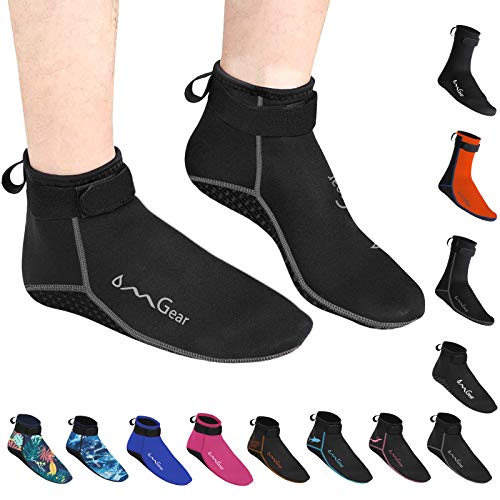
- 3mm soft neoprene with 4-way stretch
- Adjustable ankle strap and heel loop
- Reinforced anti-slip sole for traction
Best For: Snorkelers wanting flexible, low-profile protection
Warmth With Chafe Defense
Wetsox 1MM Reinforced Fin Socks

- Thin 1mm insulation for light warmth
- Chafe protection helps prevent fin rub
- Quick-drying, flexible neoprene blend
Best For: Snorkelers needing light warmth and anti-rub comfort
Versatile Beach-to-Bay Choice
XUKER 3mm Neoprene Water Socks
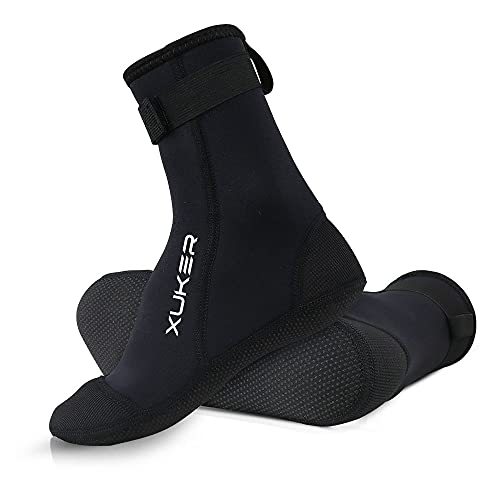
- 3mm neoprene for warmth and protection
- Tough anti-slip sole with abrasion resistance
- Works for snorkeling and many watersports
Best For: All-around snorkelers who also want beach-use versatility
Beach-Ready UV Shield
Tilos Sport Skin Socks for Snorkeling & Sun
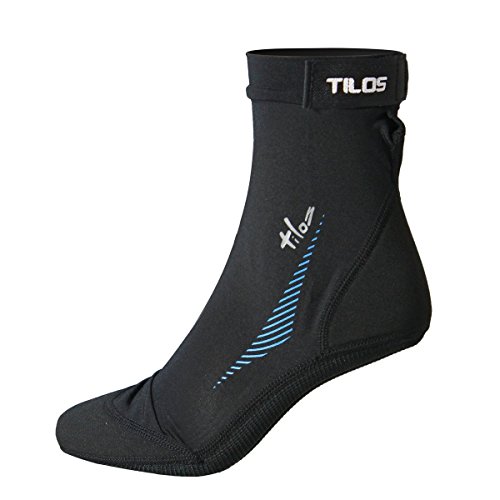
- 2.5mm sole helps insulate against hot sand
- UPF50 lycra top adds sun protection
- Reinforced toe, heel, and ankle cuff improve wear
Best For: Snorkeling, beach walks, and light fin protection
Simple Fin Protection
Water Sports Neoprene Dive Socks
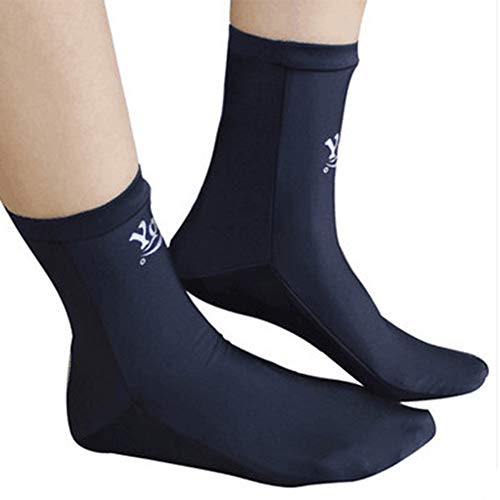
- Neoprene build adds warmth and comfort
- Helps reduce water entry and foot irritation
- Loose fit suits easy everyday water use
Best For: Basic fin socks for snorkeling and general water sports
Ocean-Ready Comfort
3mm Neoprene Dive Booties for Water Sports

- 3mm neoprene adds warmth for cooler water.
- Rubber-grip sole helps with traction on wet surfaces.
- Protects feet from rocks, shells, coral, and stings.
Best For: Snorkelers who want warm, protective socks with grip
Grip-and-Warmth Pick
3mm Neoprene Socks for Snorkeling

- 3mm neoprene with 4-way stretch for comfort.
- Anti-slip bottom adds traction in wet areas.
- GBS seams help reduce water ingress.
Best For: Snorkelers wanting warmth, traction, and multi-sport use
Lightweight Everyday Option

- Lightweight and compressible for travel.
- 3mm neoprene helps with warmth and protection.
- Rubber-grip sole adds anti-skid traction.
Best For: Snorkelers who want a lightweight, packable bootie
Low-Cut Everyday Protection – OMGear 3mm Low Cut Water Socks
If you want dive socks for snorkeling that feel close to bare feet but still add real protection, these 3mm neoprene socks are built for that middle ground. They combine a soft stretch fit with a low-cut shape, adjustable ankle strap, and grippy sole, making them practical for beach entries, fins, and mixed water use.
Best For: Snorkelers who want a flexible, low-profile sock with extra ankle security and basic insulation.
Pros:
- 3mm neoprene with 4-way stretch for a soft, durable fit
- Adjustable strap and heel loop help keep them in place and make them easier to pull on
- Reinforced rubber-print sole adds traction on sand, rocks, and slippery surfaces
- Flatlock stitching supports comfort and long-term use in warm-weather seasons
Cons:
- Flatlock construction is less sealing than glued blind stitching for colder water
- Low-cut design may not suit users who want maximum ankle coverage
Overall, this is a versatile choice if you need light protection, decent warmth, and easy movement around the beach or boat. It’s a strong all-around option for casual snorkel use and other watersports.
Warmth With Chafe Defense – Wetsox 1MM Reinforced Fin Socks
For dive socks for snorkeling in cooler water, this 1mm neoprene pair focuses on warmth and chafe protection rather than bulk. The lightweight build is meant to sit snugly inside fins while helping reduce irritation and adding a little insulation for longer sessions.
Best For: Snorkelers who want a thin, comfortable fin sock that helps prevent rubbing in cooler conditions.
Pros:
- 1mm insulation adds light warmth without much bulk
- Chafe protection is designed to reduce fin irritation
- Quick-drying construction makes transition from water to land easier
- Flexible material is built for a snug, comfortable fit
Cons:
- Thin 1mm build offers less warmth than thicker neoprene socks
- Hand-wash-only care may be less convenient for some users
This is a good pick if your main problem is fin rub, not heavy cold-water exposure. It’s a simple, lightweight solution for users who want comfort first and extra insulation second.
Versatile Beach-to-Bay Choice – XUKER 3mm Neoprene Water Socks
If you want dive socks for snorkeling that can also handle beach walking and other water sports, these 3mm neoprene socks are built for broad use. They offer insulation, abrasion resistance, and a tougher anti-slip sole, so they work well when you’re moving between sand, boat, and water.
Best For: Snorkelers who want a versatile 3mm sock for warm-to-cool water and beach use.
Pros:
- 3mm neoprene provides insulation and foot protection in cooler water
- Tougher anti-slip sole is designed for abrasion resistance
- Suitable for snorkeling, swimming, kayaking, boarding, and beach activities
- Ergonomic design aims to reduce wrinkles on the foot
Cons:
- Not 100% waterproof, so some water entry is expected
- High-cut style may feel bulkier than low-profile socks
For people who want one pair to cover multiple activities, this is a strong practical option. It balances warmth, traction, and versatility without trying to be a heavy-duty cold-water bootie.
Snug Free-Dive Fit – nitescuba 2.5mm Thermal Fin Socks
These dive socks for snorkeling are aimed at snorkelers and free divers who want a snug fin sock with a bit more warmth than the thinnest options. The 2.5mm neoprene build, rubber-print sole, and minimal-seam construction make them a practical choice for steady in-water comfort and traction.
Best For: Snorkelers and free divers who want a slim, warm, grippy sock with a secure fit.
Pros:
- 2.5mm neoprene helps slow heat loss in colder water
- Rubber-printed sole adds friction on wet or slippery surfaces
- Flatlock stitching with glue and minimal seam placement supports durability
- Available in five sizes for a more dialed-in fit
Cons:
- Slim fit may feel tight if you prefer a roomier sock
- Mid-calf style is less low-profile than short ankle socks
This is a solid choice when fit and grip matter as much as warmth. If you want a fin sock that stays secure and feels purpose-built for snorkeling or free diving, it checks the right boxes.
Beach-Ready UV Shield – Tilos Sport Skin Socks for Snorkeling & Sun
If you want dive socks for snorkeling that also handle hot sand and poolside walking, this Tilos pair is built around lightweight comfort and foot protection. The 2.5mm sole adds insulation from warm ground, while the breathable lycra top and UPF50 coverage make it a practical pick for sunny beach days.
Best For: Snorkelers and beachgoers who want lightweight protection from hot sand, sun exposure, and fin wear.
Pros:
- 2.5mm SupraTex sole helps insulate feet from hot sand.
- Breathable lycra upper with UPF50 UV protection.
- Reinforced toe and heel patches add durability.
- Hook-and-loop ankle cuff helps keep the sock from slipping off.
Cons:
- Not the warmest option for cold-water diving.
- Fit is described as slim, so sizing may matter.
Overall, this is a strong all-around beach and snorkel sock if your priority is light protection rather than heavy insulation. It stands out for sun coverage, easy on-and-off wear, and enough sole protection to feel more secure around sand and fins.
Cold-Water Grip Pick – 3mm Neoprene Snorkeling Dive Socks
These dive socks for snorkeling are geared toward swimmers who want more insulation and traction in the water. The 3mm neoprene build, reinforced sole, and anti-slip silicone particles make them a practical choice for rocky entries, beach use, and pairing with fins.
Best For: Snorkelers and water sports users who want a snug, grippy sock with added warmth.
Pros:
- 3mm neoprene provides warmth and insulation in cold water.
- Anti-slip silicone particles help improve traction.
- Reinforced sole protects against sharp rocks and hot sand.
- Works for snorkeling, diving, SUP, surfing, kayaking, and more.
Cons:
- Hand wash only, so care is less convenient than machine-wash options.
- Snug fit may feel tight if you prefer a looser sock.
As a value-focused water sock, this model is a good step up when you need more warmth and grip than a thin beach sock can offer. It is especially appealing if you want one pair that can handle snorkeling plus other mixed water activities.
Simple Fin Protection – Water Sports Neoprene Dive Socks
Janedream Water Sports Swimming Dive Socks Neoprene Diving Swimming Fin Boot Socks, Black
Check Price On AmazonIf you mainly need straightforward dive socks for snorkeling and fin use, this neoprene pair keeps things simple. It is designed to help reduce water entry, add warmth, and protect your feet from scratches and pricks during diving, swimming, or other water sports.
Best For: Snorkelers who want a basic neoprene fin sock with easy fit and general foot protection.
Pros:
- Neoprene material offers warmth and comfortable wear.
- Helps prevent water from entering as easily.
- Protects feet from scratches and pricks.
- Suitable for diving, swimming, surfing, waterskiing, and fishing.
Cons:
- No anti-slip sole details are provided.
- Loose fit may not feel as secure as snugger options.
This is a no-frills option for shoppers who want a simple protective sock rather than extra technical features. It makes sense if your main goal is comfortable coverage under fins and basic foot protection in the water.
Ocean-Ready Comfort – 3mm Neoprene Dive Booties for Water Sports
If you want dive socks for snorkeling that add a little warmth and protection, these 3mm neoprene booties are built for sandy beaches, rocky entries, and cooler water. They offer a snug, stretchy fit with rubber grip on the sole, making them a practical pick for mixed water and beach use.
Best For: Snorkelers and casual water-sport users who want warm, protective socks with decent traction.
Pros:
- 3mm neoprene helps insulate feet in cooler water.
- Reinforced rubber grip and anti-skid sole improve traction.
- Helps protect against rocks, shells, coral, and jellyfish stings.
- Quick-dry, lightweight design is easy to pack and slip on.
Cons:
- Not 100% waterproof, so some water can still enter.
- Snug fit may feel restrictive if you prefer a roomier bootie.
Overall, this is a versatile option if you need one pair of dive socks that can handle snorkeling, beach walks, and other water activities. The balance of warmth, protection, and grip makes it useful beyond the waterline.
Grip-and-Warmth Pick – 3mm Neoprene Socks for Snorkeling
These dive socks for snorkeling focus on protection, warmth, and traction in a simple 3mm neoprene package. The glued blind stitch construction is meant to reduce water ingress, while the textured bottom helps steady your footing for beach entries and water activities.
Best For: Snorkelers who want a warmer, stable sock for cold water and mixed water sports.
Pros:
- 3mm neoprene with 4-way stretch is designed for comfort and durability.
- Glued blind stitch seams help minimize water ingress.
- Textured anti-slip bottom adds traction and warmth.
- Suitable for snorkeling, diving, kayaking, surfing, and similar activities.
Cons:
- Not ideal for rock climbing or walking on smooth boardwalks.
- Some water may still enter through the seams and ankle area.
If you want a more performance-focused pair for snorkeling, this model is built around insulation and stable footing. It’s a good fit for users who prioritize thermal comfort and water-sport versatility over bare-minimum coverage.
Lightweight Everyday Option – 3mm Neoprene Snorkel Booties
For dive socks for snorkeling that are easy to pack and wear, this 3mm neoprene pair leans into comfort and everyday versatility. The lightweight build, quick-dry feel, and snug slip-on design make it a straightforward choice for beach trips and casual water sports.
Best For: Snorkelers who want a lightweight, easy-on bootie for warm-to-cool water use.
Pros:
- 3mm neoprene offers insulation and foot protection.
- Ultra-stretchy material supports a flexible, snug fit.
- Rubber grip sole helps with anti-skid performance.
- Lightweight and compressible for easy packing.
Cons:
- Not fully waterproof, despite the close fit and stitched seams.
- Best suited to snug wear, so fit preference matters.
This is a practical pick if you want a simple pair of snorkeling socks that won’t take up much space in your bag. It covers the core needs well: warmth, traction, and protection without extra bulk.
How We Picked These Dive Socks for Snorkeling
We focused on materials, thickness, traction, fin compatibility, and overall versatility. The best options for Dive Socks for Snorkeling should feel snug without restricting movement, dry reasonably fast, and hold up to repeated use in saltwater, sand, and boat decks.
We also looked for designs that balance protection and sensitivity. Some buyers want a thin fin sock to reduce rubbing inside snorkel fins, while others need more insulation and cushion for cooler water or rougher entry points.
Quick Comparison
Thin socks, such as 1mm to 2.5mm options, are usually best for minimizing bulk and improving fin fit. Midweight 3mm socks add more warmth and cushioning, making them a stronger all-around choice. If your main concern is beach heat or sun exposure rather than insulation, lighter skin-style socks may be more practical than neoprene.
Key Buying Factors for Dive Socks for Snorkeling
Thickness and Warmth
Thickness affects both insulation and fin feel. Thinner socks are easier to pair with snug fins, while thicker neoprene gives more comfort in cooler water but can make fins tighter. Match the sock to your water temperature and the fit of your fins.
Grip and Sole Protection
Anti-slip soles help on wet docks, boats, and rocky entries. A tougher sole can also protect against shells and uneven ground, but extra rubber may reduce flexibility slightly.
Fit and Seam Construction
Look for a close, anatomical fit with smooth seams to avoid rubbing. Loose socks can bunch inside fins, while overly tight socks may limit circulation and cause discomfort on longer swims.
Material and Drying Time
Neoprene is the common choice for warmth and cushioning, while skin socks and lighter synthetic styles are better for hot conditions. Faster-drying materials are useful if you travel frequently or wear the socks for multiple activities in one day.
Use Case
Some models are built mainly as fin socks, while others are better as general water shoes. If you snorkel regularly, prioritize fin compatibility and comfort over bulky protection. If you also walk on shore, add grip and sole durability to your checklist.
Who Should Buy Which Dive Socks for Snorkeling?
Choose thin, lightweight socks if you want a better fin fit and minimal bulk. Pick 3mm neoprene if you want a more versatile option for most warm-to-mild conditions. If your priority is sand, sun, and beach comfort, a lighter skin-style sock may be the smarter pick. For colder water, rocky access, or extra chafe protection, go with the most durable reinforced pair that still fits your fins properly.