When you’re out on the water, having a reliable waterproof GPS can make all the difference. It not only helps you navigate but also guarantees your safety in unpredictable conditions. Whether you’re charting a course or marking waypoints, the right device can enhance your kayaking experience. In this guide, we’ll explore the top 10 waterproof GPS options that can elevate your adventures and keep you connected. Let’s see what each has to offer.
Garmin 010-02256-00 eTrex 22x, Rugged Handheld GPS Navigator, Black/Navy

If you’re an adventurous kayaker looking for a reliable navigation tool, the Garmin 010-02256-00 eTrex 22x is an excellent choice. This rugged handheld GPS navigator boasts a 2.2” sunlight-readable color display, ensuring you can read your maps even on bright days. With preloaded Topo Active maps, you’ll find routable roads and trails for both cycling and hiking, making it versatile for all your outdoor adventures. Plus, it supports both GPS and GLONASS satellite systems for enhanced tracking in tough conditions. With 8 GB of internal memory and a battery life of up to 25 hours, it’s built for your journeys.
Best For: Adventurous kayakers and outdoor enthusiasts seeking a reliable and versatile GPS navigator for their explorations.
Pros:
- Sunlight-readable color display for easy map reading in bright conditions.
- Preloaded Topo Active maps with routable roads and trails for cycling and hiking.
- Long battery life of up to 25 hours in GPS mode, making it suitable for extended trips.
Cons:
- Small display size (2.2 inches) may not be ideal for detailed navigation.
- Requires 2 AA batteries, which may need frequent replacements on longer trips.
- Limited internal memory (8 GB) may restrict map downloads and additional data.
Marine Rescue GPS nexGen

For adventurers and water sport enthusiasts, the Marine Rescue GPS nexGen by Nautilus Lifeline stands out as an essential safety tool, especially when you’re kayaking in remote areas. Weighing just 4.6 oz and measuring 3 x 4 x 2 inches, this compact device floats and operates in all sea conditions. It broadcasts distress signals to AIS-equipped vessels up to 34 miles away, ensuring help is on the way when you need it. Users appreciate its ease of activation, making it a reliable choice for emergencies. However, consider purchasing extra batteries, as some have reported durability concerns. Stay safe and navigate confidently!
Best For: Adventurers and water sport enthusiasts seeking a reliable safety device for emergencies while kayaking or engaging in other marine activities.
Pros:
- Compact and lightweight design, making it easy to carry and use.
- Effective distress signal broadcasting to AIS-equipped vessels up to 34 miles away.
- Simple activation process, ensuring quick response in emergencies.
Cons:
- Reports of durability issues, particularly with the clasp and waterproofing.
- Additional batteries are recommended upon purchase, which may incur extra costs.
- Mixed reviews on programming and app functionality, indicating potential user challenges.
A8 Handheld GPS for Hiking

The A8 Handheld GPS Navigator is perfect for hikers who need a rugged, waterproof device that can withstand the elements while providing reliable navigation. With a 3.2” sunlight-readable color screen, you’ll easily track your location even in bright conditions. It supports multiple satellite systems, ensuring accurate positioning within 5 feet. You can store up to 20,000 waypoints, 1,000 routes, and 1,000 tracks to document your adventures. The impressive 4000mAh battery lasts up to 24 hours, and charging via USB makes it convenient for outdoor use. Remember to search for satellite signals outdoors for the best accuracy.
Best For: Hikers seeking a durable and waterproof GPS device that offers accurate navigation and extensive waypoint storage for outdoor adventures.
Pros:
- Rugged and waterproof design ensures durability in harsh outdoor conditions.
- Multi-GNSS support provides improved positioning accuracy within 5 feet.
- Long battery life of up to 24 hours with convenient USB charging.
Cons:
- Limited internal memory might require frequent management of waypoints, routes, and tracks.
- Basic mapping capabilities may necessitate additional downloads for detailed navigation.
- Optimal performance depends on outdoor signal availability, which may not always be guaranteed.
A6 Handheld GPS for Hiking

Featuring a rugged and waterproof design, the A6 Handheld GPS for Hiking is perfect for outdoor enthusiasts who need reliable navigation in unpredictable weather. Weighing just 8 ounces, it’s lightweight and easy to carry. With multi-GNSS support, you can count on position accuracy within 5 feet. The 2.4-inch sunlight-readable display guarantees you won’t miss important information, even in bright conditions. Plus, it records tracks and stores up to 1,000 waypoints, guiding you back to your starting point. While it lacks built-in maps, the A6 excels in performance, making it a solid choice for your hiking adventures.
Best For: Outdoor enthusiasts and hikers seeking a reliable, lightweight GPS device for navigation in various weather conditions.
Pros:
- Lightweight and portable design, weighing only 8 ounces.
- Multi-GNSS support ensures accurate positioning within 5 feet.
- Rugged and waterproof (IP65 rated) for durability in outdoor conditions.
Cons:
- Lacks built-in maps, requiring users to plan routes separately.
- Some users report a steep learning curve with the interface and features.
- Button feedback can be loud and may detract from the user experience.
Uniden MHS75 Waterproof Handheld 2-Way VHF Marine Radio

If you’re looking for a reliable communication tool while kayaking, the Uniden MHS75 Waterproof Handheld 2-Way VHF Marine Radio is an excellent choice. With a waterproof rating of JIS8/IPX8, it can withstand submersion for up to 30 minutes. You can select transmit power between 1W, 2.5W, and 5W, ensuring clear communication over various distances. Preprogrammed NOAA weather channels keep you informed about severe weather alerts. While users praise its battery life and solid build, some report issues with charger durability. Overall, it’s a dependable companion for staying connected on the water, enhancing your kayaking experience.
Best For: Kayakers and marine enthusiasts seeking a dependable communication tool that withstands wet conditions and offers weather alerts.
Pros:
- Excellent battery life that maintains charge over extended periods.
- Clear reception with selectable power options for varied communication ranges.
- Rugged construction and waterproof rating suitable for marine environments.
Cons:
- Charger durability issues reported by some users.
- Does not float, which could be a concern if dropped in water.
- Instances of sound distortion after exposure to water.
ZOLEO Satellite Communicator – Two-Way Global SMS Text Messenger & Email
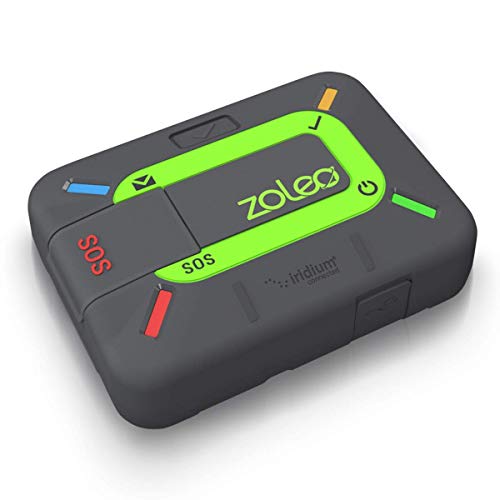
For adventurous kayakers who venture into remote waters, the ZOLEO Satellite Communicator stands out as an essential tool. This compact device allows for two-way global SMS texting and email, connecting you via the Iridium satellite network, cellular, or Wi-Fi. With a dedicated SMS number and unlimited check-ins, staying in touch is easy. Safety features include an emergency SOS alert with GPS location sent to a 24/7 monitoring center. Weighing just 5.3 ounces and boasting an IP68 rating, it’s durable enough for any kayak trip. Plus, it’s compatible with both Android and iOS smartphones, ensuring seamless communication wherever you paddle.
Best For: Adventurous kayakers seeking a reliable communication device for remote expeditions.
Pros:
- Two-way global SMS and email capabilities ensure you can stay connected from anywhere.
- Emergency SOS alert system provides peace of mind with GPS location tracking.
- Durable and lightweight design, ideal for outdoor activities like kayaking.
Cons:
- Requires a service plan for operation, which may add to overall costs.
- Limited to SMS and email, lacking full internet connectivity.
- Battery life may vary depending on usage patterns, potentially requiring recharging on longer trips.
Garmin GPSMAP 79s Marine GPS Handheld
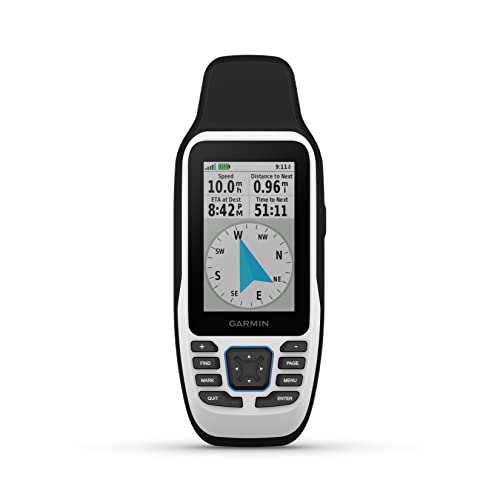
The Garmin GPSMAP 79s Marine GPS Handheld stands out as an excellent choice for kayakers seeking reliable navigation in challenging conditions. Its rugged, floating design and IPX6 water resistance guarantee you won’t lose it in rough waters. The high-resolution, sunlight-readable display makes it easy to see your route. With the capacity to store 10,000 waypoints and multiple satellite support, you’ll navigate confidently. However, some users find the interface clunky, and you may need to purchase additional maps. Overall, it’s a solid tool for serious navigators, but it might not be user-friendly for everyone.
Best For: Serious kayakers and navigators who require a reliable, rugged GPS device for challenging marine environments.
Pros:
- Rugged and floating design: Ensures durability and prevents loss in water.
- High-resolution display: Offers clear visibility of routes even in sunlight.
- Large waypoint capacity: Can store up to 10,000 waypoints for extensive navigation.
Cons:
- Clunky user interface: Users may find the navigation through menus cumbersome.
- Additional map purchases required: Limited built-in maps may necessitate extra costs for comprehensive navigation.
- Battery life concerns: Some users report shorter battery life, requiring frequent replacements.
Garmin eTrex 32x, Rugged Handheld GPS Navigator

Designed to withstand the rigors of outdoor adventures, the Garmin eTrex 32x is an excellent choice for kayakers seeking a reliable waterproof GPS. Its compact size (4 x 2.1 x 1.3 inches) and lightweight design (only 5 ounces) make it easy to carry. You’ll appreciate the 2.2” sunlight-readable color display, guaranteeing clear navigation even on bright days. With preloaded Topo Active maps and support for GPS and GLONASS, tracking your journey is seamless. Plus, its impressive 25-hour battery life assures you won’t lose your way. Check out the 8 GB memory for additional maps and navigate with confidence!
Best For: Outdoor enthusiasts, especially kayakers and hikers, who need a rugged and reliable GPS navigator for their adventures.
Pros:
- Compact and lightweight design makes it easy to carry on any adventure.
- Sunlight-readable color display ensures clear navigation in bright conditions.
- Long battery life of up to 25 hours in GPS mode provides peace of mind during extended trips.
Cons:
- Limited internal memory of 8 GB may require additional micro SD cards for more extensive mapping needs.
- The display resolution may not be as high as some modern GPS devices.
- Some users may find the interface less intuitive compared to more advanced models.
Tracki Pro GPS Tracker for Vehicles

If you’re an avid kayaker who values reliability and durability, the Tracki Pro GPS Tracker for Vehicles is an excellent choice. This USA-made tracker features a waterproof design and a strong magnet, making it perfect for outdoor adventures. With a powerful 10,000mAh battery, it lasts 2-7 months per charge, ensuring you won’t lose connection. It offers unlimited 4G coverage, real-time alerts, and supports multiple satellite systems for accurate tracking. Installation is a breeze with various mounting options. Plus, you get lifetime warranty support and 24/7 assistance. Stay confident on the water knowing your gear is monitored effectively.
Best For: The Tracki Pro GPS Tracker for Vehicles is best for outdoor enthusiasts and adventurers who need a reliable and durable tracking solution for their gear.
Pros:
- Waterproof design ensures durability during outdoor activities.
- Long battery life of 2-7 months per charge allows for extended use without frequent recharging.
- 24/7 live support and a lifetime warranty provide peace of mind for users.
Cons:
- Monthly subscription fee required for tracking services may be a drawback for some users.
- Weight of 1.12 pounds may be heavier than other smaller trackers, making it less discreet.
- Installation options may require additional tools or methods for certain applications.
LandAirSea 54 GPS Tracker

With its waterproof design and robust tracking capabilities, the LandAirSea 54 GPS Tracker is an ideal choice for kayakers who want peace of mind on the water. This ultra-compact tracker offers real-time global location updates every three seconds, ensuring you’re always informed of your whereabouts. Its magnetic attachment makes for easy placement, while the motion-activated feature helps extend battery life to up to six weeks. Plus, with geofencing alerts, you’ll know if you drift outside designated areas. A subscription is required, but it’s flexible, allowing you to cancel anytime. Enjoy the freedom to explore knowing you’re always connected!
Best For: Kayakers and outdoor enthusiasts looking for a reliable tracking device to ensure safety and peace of mind on the water.
Pros:
- Waterproof design allows for use in wet environments without damage.
- Real-time tracking updates every three seconds provide accurate location information.
- Motion-activated feature extends battery life, lasting up to six weeks.
Cons:
- Requires a subscription for operation, which may not appeal to all users.
- Some users report performance issues with the app, including crashes and data caching problems.
- Geofencing alerts may not be effective if the device is out of range or the app is not functioning properly.
Factors to Consider When Choosing a Waterproof GPS for Kayaking
When choosing a waterproof GPS for kayaking, you’ll want to focus on several key factors. Consider the waterproof rating, battery life, and display visibility in sunlight to guarantee it meets your needs on the water. Additionally, satellite system compatibility and a compact, lightweight design are essential for a hassle-free experience.
Waterproof Rating Importance
Choosing a waterproof GPS for kayaking is essential, especially since you’ll likely encounter splashes, rain, and even the risk of capsizing. Look for a device with a high Ingress Protection (IP) rating, like IPX8 or JIS8, which means it can withstand submersion beyond 1 meter for extended periods. This level of waterproofing is vital for kayakers, as typical weather and water conditions can exceed the capabilities of lower-rated devices. Many marine GPS units are designed to float, making them accessible even if dropped. A robust waterproof rating not only protects your device but also enhances its reliability and lifespan in wet conditions, ensuring you can navigate confidently without worrying about device failure.
Battery Life Considerations
Battery life plays an essential role in your selection of a waterproof GPS for kayaking, especially during long trips where access to charging might be limited. Look for devices like the A8 Handheld GPS, which can last up to 24 hours on a single charge. Opt for models that operate on standard AA batteries, allowing for easy replacements in remote areas. Some units offer up to 25 hours of battery life in GPS mode, perfect for multi-day excursions. Additionally, consider GPS units with energy-efficient modes or power-saving features to extend battery life during prolonged use. Always check the charging options; some models support USB charging, making it more convenient while you’re on the water.
Display Visibility in Sunlight
Ensuring you can read your GPS display under bright sunlight is essential for safe kayaking. Look for a sunlight-readable display; it’ll help you avoid navigational errors caused by glare. Aim for a higher pixel resolution of at least 240 x 320 for clarity, making it easier to read in direct sunlight. A display size of 2.2 inches or larger is recommended, allowing for quick glances without straining your eyes. Anti-glare coatings can greatly enhance visibility by reducing reflections that obscure the screen. Additionally, choosing a color display can improve contrast, making map details easier to differentiate in varying lighting conditions. With these features, you’ll navigate confidently on the water, no matter how bright the sun shines.
Satellite System Compatibility
While a clear display is essential for maneuvering under bright sunlight, satellite system compatibility plays a crucial role in ensuring reliable navigation on your kayaking adventures. Different satellite systems like GPS, GLONASS, Galileo, and Beidou offer varying coverage and accuracy, particularly in challenging environments like open water. Choosing a device that supports multiple satellite systems can enhance your positioning accuracy to within 1.5 meters, greatly improving your safety. These advanced devices often feature multi-GNSS support, allowing simultaneous access to various satellite networks for quicker position fixes. If you plan to kayak in remote locations, opting for a GPS unit with robust satellite support increases your chances of maintaining a signal, even in less favorable conditions, ensuring a safer journey.
Compact and Lightweight Design
When you’re out on the water, a compact and lightweight GPS is essential for enhancing your kayaking experience. You want a device that weighs under 1 pound to keep your gear manageable while paddling. Smaller dimensions, typically between 3 to 6 inches, make mounting easier and guarantee it won’t crowd your kayak’s space. A lightweight design also boosts portability, so you can easily carry it during portages or when switching between different bodies of water. Look for compact GPS devices that come with rugged, waterproof cases, as these combine durability with a lightweight profile, making them perfect for aquatic adventures. With the right GPS, you’ll navigate with confidence without feeling weighed down.
Navigation Features Offered
Choosing a waterproof GPS for kayaking means considering vital navigation features that can greatly enhance your experience on the water. Look for devices that support multiple satellite systems, like GPS and GLONASS, to guarantee accurate positioning even in tough environments. Preloaded maps tailored for kayaking are invaluable for route planning and awareness. A unit with waypoint navigation lets you mark key locations and return to them easily, which is perfect for unfamiliar waters. Long battery life is essential, so aim for models lasting 20 hours or more to avoid interruptions. Additional features like a built-in compass and barometric altimeter can help track direction and elevation changes, providing you with more tools to navigate confidently.
Ease of Use
A waterproof GPS for kayaking should prioritize ease of use, guaranteeing you can navigate effortlessly while on the water. Look for a user-friendly interface with intuitive controls that allow for quick operation. A sunlight-readable display is essential, enabling you to check your location even in bright conditions. Opt for a compact and lightweight design; this will make handling and transporting your GPS hassle-free, preventing any added bulk to your kayak gear. Additionally, choose a model that offers quick access to essential functions like waypoint marking and route tracking, streamlining your experience. Finally, make certain the device has robust battery life, allowing for prolonged use without constant recharging during your longer kayaking adventures.
Durability in Marine Conditions
To guarantee your waterproof GPS can withstand the rigors of marine conditions, focus on its durability and construction. Look for a high waterproof rating, like IPX7 or IPX8, which means it can handle submersion for specified times and depths. The casing should be rugged, typically crafted from plastic or rubber, to endure impacts and harsh environments. A floating design is a plus, preventing it from sinking if dropped, making retrieval easier. Battery life is essential since prolonged use drains batteries quickly; choose devices that offer extended performance in GPS mode. Finally, ascertain it supports reliable satellite systems, including GPS and GLONASS, for accurate tracking even in challenging conditions with potential signal obstructions.