If you dive in cold water, the right suit can make the difference between a short, uncomfortable session and a confident, longer dive. 7mm semi-dry wetsuits are built to cut down water flush while still giving you the insulation you need.
In this roundup, we focus on suits that balance warmth, sealing performance, and comfort so you can choose with less guesswork.
Best 6 7mm Semi Dry Wetsuits Picks for 2026
Best for Cold-Water Coverage
H2Odyssey Catalina 7mm Semi-Dry Men's Wetsuit

- 7mm neoprene for strong cold-water insulation
- Full-body coverage helps guard against marine hazards
- Chest flood gate and rear zip improve comfort and wearability
Best For: Men who need a warm, full-coverage wetsuit for cold-water swimming, scuba, or surf use.
Best Hooded Cold-Water Coverage
Hollis NeoTek V2 8/7/6mm Semi-Dry
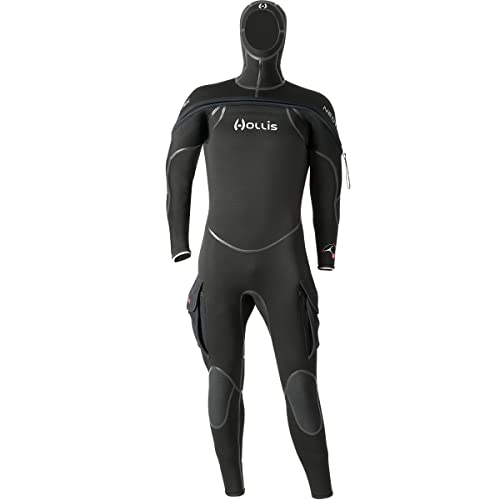
- 8/7/6mm construction for strong thermal protection
- Integrated hood for reduced heat loss
- Semi-dry seal helps limit flushing in cold water
Best For: Cold-water divers wanting a hooded semi-dry suit with extra insulation.
Best for Cold-Water Durability
Waterproof Mens SD Neoflex 7mm Semi-Dry

- Warm 7mm limestone neoprene with thermal lining
- Reinforced knees, seat, and elbows for hard use
- Handy thigh pockets for dive gear storage
Best For: Cold-water scuba divers who want a durable semi-dry suit with extra warmth and useful storage.
Best for Harsh Conditions
Hollis NeoTek V2 Hooded Semi-Dry Suit
- 8/7/6mm neoprene with strong thermal protection
- Hooded design plus internal dams help limit flushing
- Thigh pockets add handy storage for dive gear
Best For: Cold-water divers who want a durable, tech-friendly semi-dry suit with extra warmth and sealing.
Best for Maximum Warmth
BARE Velocity Ultra 8/7mm Semi-Dry

- Omnired torso and hood add infrared-driven warmth
- Semi-dry seals help reduce water entry and flushing
- Full-stretch neoprene supports easier movement
Best For: Cold-water divers who prioritize warmth, sealing, and flexible fit.
Best for Cold-Water Warmth
Aqualung Women's Aquaflex 7mm Semi-Dry Suit

- 7mm neoprene for strong cold-water insulation
- Semi-dry zipper and seals help limit flushing
- Stretchy fit with reinforced knees for durability
Best For: Cold-water divers who want a flexible, warmer full suit for scuba, snorkeling, or freediving.
Best for Cold-Water Coverage – H2Odyssey Catalina 7mm Semi-Dry Men's Wetsuit
If you want one of the more protective 7mm semi dry wetsuits for colder sessions, the H2Odyssey Catalina is built around warmth, coverage, and simple utility. Its 7mm neoprene construction, long sleeves, and semi-dry chest flood gate make it a solid pick for deeper-water swimming, diving, and other cold-water activities.
Best For: Men who need a warm, full-coverage wetsuit for cold-water swimming, scuba, or surf use.
Pros:
- 7mm neoprene provides strong insulation for colder water
- Full-body design helps protect against jellyfish, coral, and sun exposure
- Chest flood gate and rear zip are designed to reduce water entry and improve convenience
- Knee pads add abrasion resistance for rougher underwater surfaces
Cons:
- Thicker neoprene can feel less flexible than thinner suits
- Rear zipper design may be harder to manage without assistance
- Best suited to cold conditions, so it may be too warm for milder water
Overall, this is a practical choice if warmth and protection matter more than maximum flexibility. Among 7mm semi dry wetsuits, it stands out as a straightforward, cold-water-ready option for swimmers and divers who need reliable coverage.
Best Hooded Cold-Water Coverage – Hollis NeoTek V2 8/7/6mm Semi-Dry
If you want serious warmth and reduced flushing, the Hollis NeoTek V2 is a strong pick among 7mm semi dry wetsuits thanks to its thicker multi-zone neoprene and hooded design. It’s built for divers who need a closer seal and more thermal protection in cooler water without stepping up to a full drysuit.
Best For: Cold-water divers who want a hooded semi-dry suit with extra insulation and a secure fit.
Pros:
- Thicker 8/7/6mm construction for better warmth where it matters most
- Integrated hood helps cut heat loss and improve comfort in colder dives
- Semi-dry design can reduce water exchange compared with standard wetsuits
Cons:
- Bulkier and less flexible than thinner open-water suits
- XX-Large sizing limits fit options for some buyers
For divers comparing 7mm semi dry wetsuits, this model stands out for thermal coverage and a more sealed-in feel, making it a practical choice when warmth is the top priority. It’s not the lightest or most affordable option, but it delivers a clear cold-water advantage.
Best for Cold-Water Durability – Waterproof Mens SD Neoflex 7mm Semi-Dry
If you want one of the more rugged 7mm semi dry wetsuits for colder dives, this Waterproof Neoflex model is built to balance warmth, mobility, and abrasion resistance. The 7mm limestone neoprene, thermal lining, and semi-dry design help reduce flush while still giving you more flexibility than a full drysuit.
Best For: Divers who need a warm, durable suit for cold-water scuba sessions and frequent use.
Pros:
- 7mm Neoflex limestone CR neoprene with thermal lining for cold-water insulation
- YKK Aquaseal back zipper and flex panels improve mobility and help limit water entry
- Kevlar kneepads and reinforced seat/elbows add serious durability
- Thigh cargo pockets are handy for SMBs, slates, and other dive essentials
Cons:
- More expensive than basic entry-level wetsuits
- Back-zip semi-dry designs can still feel bulkier than thinner suits
For divers comparing 7mm semi dry wetsuits, this is a strong pick if durability and cold-water performance matter more than keeping the price low. It is especially appealing for regular divers who want warmth, storage, and tough construction in one suit.
Best for Harsh Conditions – Hollis NeoTek V2 Hooded Semi-Dry Suit
If you want one of the more rugged 7mm semi dry wetsuits for cold-water diving, the Hollis NeoTek V2 stands out for its 8/7/6mm compression-resistant neoprene, sealed entry points, and hooded design. It’s built to keep flushing down while still giving you the stretch and mobility technical divers need.
Best For: Divers who need a warm, tech-friendly semi-dry suit for cold, demanding conditions.
Pros:
- Front G-lock horizontal zipper makes it easier to get on and off than many semi-dry suits
- Internal neck, arm, and leg dams help reduce water intrusion
- Dual thigh pockets with drainage grommets add useful storage for dive accessories
- Eco-friendly neoprene and ThermaSkin liner improve comfort and stretch
Cons:
- Heavier and bulkier than standard 7mm semi dry wetsuits
- Overkill for warm-water or casual recreational diving
- XX-Large sizing may not suit smaller-framed divers
Overall, the NeoTek V2 is a strong pick if you prioritize warmth, sealing, and durability over minimal bulk. Among 7mm semi dry wetsuits, it’s especially appealing for divers who need extra protection and practical storage in colder environments.
Best for Maximum Warmth – BARE Velocity Ultra 8/7mm Semi-Dry
If you want one of the warmer 7mm semi dry wetsuits options for demanding cold-water diving, the BARE Velocity Ultra 8/7mm stands out for its heat-retaining design and flexible full-stretch neoprene. The Omnired torso and hood, plus the semi-dry sealing system, are built to cut water exchange while staying comfortable through long dives.
Best For: Divers in cold water who want extra thermal protection, a close seal, and enough stretch for easier movement underwater.
Pros:
- Omnired technology in the torso and hood helps boost warmth
- Full-stretch neoprene improves mobility without feeling overly restrictive
- Internal bib and wrist/ankle seals help reduce flushing
- Front-entry cross-chest zipper makes it easier to get on and off
Cons:
- 8/7mm thickness is warmer but less versatile in milder water
- Premium features put it at a higher price point
- Fit can be less forgiving if sizing is off
For divers comparing 7mm semi dry wetsuits, this model is a strong pick when warmth matters more than minimal bulk. It’s especially appealing if you want semi-dry sealing and stretch comfort in one suit.
Best for Cold-Water Warmth – Aqualung Women's Aquaflex 7mm Semi-Dry Suit
If you want one of the more protective 7mm semi dry wetsuits for colder dives, this Aqualung Aquaflex is built to prioritize warmth, fit, and mobility. The 4-way stretch neoprene helps it move with you, while the semi-dry back zipper and reinforced seals work to limit flushing in chilly water.
Best For: Cold-water divers who want a flexible full suit with stronger insulation and a more secure seal for scuba, snorkeling, or freediving.
Pros:
- 7mm neoprene delivers serious thermal protection for colder conditions
- Semi-dry back zipper and seals help reduce water entry
- 4-way stretch construction improves comfort and range of motion
- Powertex knee panels add durability in high-wear areas
Cons:
- 7mm thickness can feel bulky in warmer water
- Back zipper design may be harder to manage without help
- Not the lightest option for travel
Overall, this suit makes sense if warmth is the top priority and you still want flexibility from your gear. Among 7mm semi dry wetsuits, it stands out for balancing insulation, comfort, and durability without feeling overly rigid.
How We Picked the Best 7mm Semi Dry Wetsuits
We looked for suits that make sense for cold-water diving: stronger seals, reliable thermal protection, practical entry systems, and construction that supports real-world mobility. We also considered fit range, hooded versus non-hooded designs, and whether each suit is better suited to recreational scuba, longer exposures, or more demanding conditions.
Quick Comparison: What Matters Most
When comparing 7mm semi-dry wetsuits, the biggest differences usually come down to warmth retention, ease of donning, and flexibility. Hooded models generally reduce heat loss in the head and neck area, while more stretchy suits can feel better on long dives but may trade a bit of thermal robustness depending on construction. Some options lean toward maximum insulation, while others prioritize movement and all-day comfort.
Key Buying Factors for 7mm Semi-Dry Wetsuits
Seal Design and Water Exchange
The defining feature of semi-dry suits is reduced flushing. Look for well-designed wrist, ankle, and neck seals, plus a zipper system that limits water entry. A better seal often matters more than an extra millimeter of neoprene in mild-to-moderately cold water.
Fit and Mobility
A suit that fits correctly should feel snug without restricting breathing or shoulder movement. Too loose, and warm water escapes quickly; too tight, and you lose comfort and circulation. For women and men alike, proper cut and paneling are essential.
Neoprene Construction
Thicker neoprene usually improves insulation, but stretch and panel placement affect how wearable the suit feels. If you expect repetitive dives or longer sessions, look closely at stretch zones and reinforcement in high-wear areas.
Hooded Vs. Non-Hooded
Hooded 7mm semi-dry wetsuits can be a smart choice for colder sites because they protect a major heat-loss area. Non-hooded suits may pair better with separate hoods when you want more versatility.
Who Should Buy Which 7mm Semi Dry Wetsuits?
If you dive in genuinely cold water and want maximum thermal insurance, a hooded semi-dry is often the best starting point. If you value range of motion for swimming, training, or longer recreational dives, a stretchier suit may be more comfortable. Divers who split time between slightly different water temperatures should prioritize fit, seal quality, and versatility over the thickest option alone. For most buyers, the best choice is the suit that fits closest to the body, matches local water temperatures, and supports the type of diving you do most often.